
This beef and pepper rice bowl is a high-protein meal that combines savory ground beef with crisp bell peppers and a hint of heat. It is a practical weeknight dinner that is easy to prepare in a single pan.
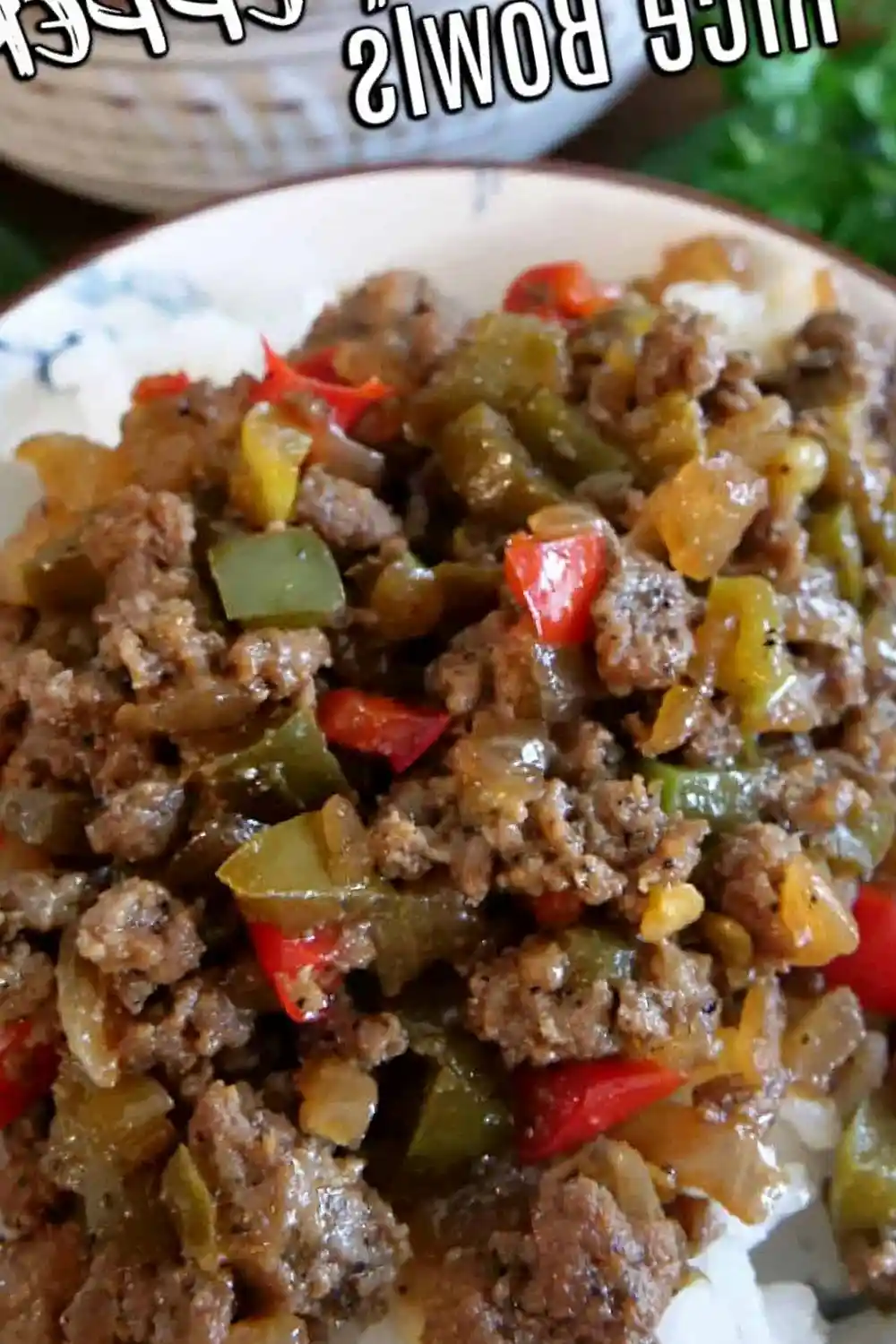
List of ingredients
- 2 tablespoons butter – used for sautéing vegetables.
- 1 medium onion, diced – adds a savory aromatic base.
- 1 green bell pepper, diced – provides a fresh, earthy flavor.
- 1 red bell pepper, diced – adds sweetness and vibrant color.
- 1 jalapeno, diced – introduces a mild to moderate spicy kick.
- 1 pound ground beef – the main protein source.
- 1/2 cup soy sauce – provides saltiness and depth (low sodium is an option).
- 1 tablespoon garlic powder – adds a concentrated garlic punch.
- 1 teaspoon salt – enhances all the other flavors.
- 2 teaspoon black pepper – adds a subtle woody spice.
- Rice (optional) – serves as the hearty base for the bowl.
step-by-step instructions
- Sauté the aromatics: Melt the butter in a large pan over medium heat. Add the diced onion, green bell pepper, red bell pepper, and jalapeno, cooking them for about 5 minutes.
- Brown the beef: Incorporate the ground beef into the pan with the vegetables. Cook the mixture until the beef is fully browned and the vegetables have reached a tender consistency.
- Remove excess fat: Carefully drain any accumulated grease from the pan, then return the beef and vegetable mixture to the heat.
- Season the mixture: Pour in the soy sauce and stir in the garlic powder, salt, and black pepper. Mix everything thoroughly until the meat is well coated.
- Assemble and serve: Portion cooked rice into bowls and top with the beef and pepper mixture.
Professional Cooking Tips for Better Results
Achieve a Proper Brown on the Beef
Ensure your pan is sufficiently hot before adding the beef to avoid steaming. Allow the meat to sear without stirring constantly for a few minutes to develop a deep brown crust. This process, known as the Maillard reaction, creates a more complex and savory flavor profile.
Maintain Vegetable Texture
Avoid overcooking the bell peppers to ensure they retain a slight crunch. If you prefer very soft vegetables, you can increase the initial sauté time, but keeping them slightly firm provides a better contrast to the tender beef. Stir them occasionally to prevent burning while ensuring even cooking.
Selecting the Right Cookware
A large stainless steel or cast-iron skillet is ideal for this recipe because it distributes heat evenly. These materials allow for better searing of the meat compared to non-stick pans. A wide pan also prevents overcrowding, which helps the ingredients brown rather than boil in their own juices.
Customizing Your Beef Bowls
Substituting Ground Turkey
You can replace the ground beef with ground turkey for a leaner protein option. Since turkey has less fat than beef, you may need to add an extra tablespoon of butter or oil to prevent the meat from sticking. The soy sauce and spices will still provide plenty of flavor to the turkey.
Creating a Low-Carb Version
To reduce the carbohydrate content, replace white rice with cauliflower rice. Sauté the cauliflower rice in a separate pan with a small amount of oil until tender-crisp before assembling the bowl. This keeps the cauliflower from becoming mushy when combined with the beef sauce.
Adjusting the Spice Intensity
For a milder flavor, remove the seeds and white membranes from the jalapeno before dicing. If you prefer a spicier dish, leave the seeds intact or add a pinch of red pepper flakes. You can also substitute the jalapeno with a mild banana pepper for a tangier, less spicy experience.
Choosing the Best Rice Base
Using Long Grain White Rice
White rice is the most common choice because its neutral flavor lets the soy and garlic shine. It cooks quickly and provides a fluffy texture that absorbs the sauce well. Ensure the rice is steamed properly so it does not clump together.
Switching to Brown Rice
Brown rice offers a nuttier flavor and a higher fiber content for a more filling meal. Keep in mind that brown rice takes significantly longer to cook than white rice. Plan your timing so the rice is finished exactly when the beef mixture is ready.
Trying Jasmine or Basmati Rice
Jasmine rice adds a subtle floral aroma and a slightly sticky texture that pairs well with Asian-inspired flavors. Basmati rice is a great alternative if you prefer a longer, drier grain that remains separate. Both options elevate the aromatic quality of the final dish.
Serving and Presentation Ideas
Incorporating Fresh Toppings
Garnish the bowls with sliced green onions or toasted sesame seeds for added texture and visual appeal. A drizzle of sriracha or a dollop of Greek yogurt can provide extra creaminess or heat. Fresh cilantro leaves also add a bright, citrusy note that cuts through the richness of the beef.
Pairing with Side Vegetables
Serve the bowls with a side of steamed broccoli, snap peas, or bok choy to increase the nutritional value. You can toss these vegetables in a small amount of soy sauce and sesame oil to match the theme of the bowl. This makes the meal more balanced and colorful.
Family Style Presentation
Instead of individual bowls, serve the beef and pepper mixture in a large central platter next to a big pot of rice. Provide various toppings in small bowls so family members can customize their own portions. This approach is practical for dinner parties or large family gatherings.
Storage and Food Preservation
Refrigeration Methods
Allow the beef and pepper mixture to cool completely before transferring it to an airtight container. Store the cooked rice in a separate container to prevent it from absorbing too much moisture from the beef. This keeps the rice from becoming overly soft or mushy during storage.
Freezer-Friendly Storage
This recipe is excellent for meal prep and can be frozen for up to three months. Use freezer-safe bags or containers, pressing the beef mixture flat to save space and ensure faster thawing. Freeze the rice and beef in separate compartments or bags to maintain the best quality.
Proper Thawing Instructions
The best way to thaw the beef mixture is to place it in the refrigerator overnight. If you are short on time, you can use the defrost setting on your microwave. Avoid thawing at room temperature to prevent bacterial growth.
Effective Reheating Techniques
Microwave Reheating for Individuals
Place a single serving of rice and beef in a microwave-safe bowl. Add a teaspoon of water or beef broth over the rice to create steam, which prevents the grains from drying out. Heat in 30-second intervals, stirring in between, until steaming hot.
Stovetop Reheating for Large Batches
For larger quantities, place the beef and pepper mixture in a pot over low to medium heat. Add a splash of water or soy sauce to loosen the sauce and prevent sticking. Stir frequently until the mixture is heated through, then serve over freshly warmed rice.
Troubleshooting Common Issues
Managing Excess Grease
If the ground beef releases more fat than expected, use a colander to drain the mixture thoroughly. Alternatively, you can carefully sop up the excess oil with a folded paper towel before adding the soy sauce. This prevents the final dish from feeling overly oily.
Balancing Excessive Saltiness
If the soy sauce makes the dish too salty, add a small pinch of brown sugar or a teaspoon of honey to balance the flavor. You can also stir in some finely diced carrots or extra bell peppers to dilute the salt concentration. Adding an extra scoop of unsalted rice also helps neutralize the saltiness.
Preventing Overcooked Vegetables
If your vegetables are softening too quickly, remove them from the pan after the initial 5-minute sauté. Set them aside and add them back into the pan only after the beef has been browned and drained. This ensures the peppers maintain their vibrant color and structure.
Frequently Asked Questions
What temperature should ground beef be cooked to?
Ground beef must be cooked to an internal temperature of 160 degrees Fahrenheit to ensure it is safe for consumption. Use a meat thermometer to check the center of the largest meat clump.
Can I use a different oil instead of butter?
Yes, you can use olive oil, avocado oil, or vegetable oil as a substitute for butter. These oils have higher smoke points, which makes them better if you plan to sear the beef at a higher temperature.
How do I store the rice separately?
Store cooked rice in a sealed plastic or glass container in the refrigerator. This prevents the rice from absorbing the flavors and moisture of the beef, allowing you to control the consistency when reheating.
Print
Savory Beef and Pepper Rice Bowls
- Total Time: 35 minutes
- Yield: 4 servings 1x
- Diet: General
Description
Beef and Pepper Rice Bowls is a hearty and delicious rice bowl loaded with ground beef, bell peppers, and jalapenos.
Ingredients
- 2 tablespoons butter
- 1 medium onion, diced
- 1 green bell pepper, diced
- 1 red bell pepper, diced
- 1 jalapeno, diced
- 1 pound ground beef
- ½ cup soy sauce
- 1 tablespoon garlic powder
- 1 teaspoon salt
- 2 teaspoon black pepper
- Optional: rice
Instructions
- Step 1: In a large pan, melt butter.
- Step 2: Add onion, green bell pepper, red bell pepper, and jalapeno and cook for 5 minutes. Add ground beef.
- Step 3: Cook until ground beef is fully cooked and vegetables are tender.
- Step 4: Drain and return to pan.
- Step 5: Add soy sauce and seasonings. Mix until well combined.
- Step 6: Serve with cooked rice
Notes
You can substitute ground beef with ground turkey or use cauliflower rice for a lower-carb option.
- Prep Time: 15 minutes
- Cook Time: 20 minutes
- Category: Main Course
- Method: Stovetop
- Cuisine: Asian
Nutrition
- Serving Size: 1 serving
- Calories: 391 kcal
- Sugar: 3 g
- Sodium: 1855 mg
- Fat: 29 g
- Saturated Fat: 12 g
- Unsaturated Fat: 12 g
- Trans Fat: 2 g
- Carbohydrates: 10 g
- Fiber: 2 g
- Protein: 24 g
- Cholesterol: 96 mg