
This recipe delivers a bold, sweet, and spicy Korean chicken that is faster and more affordable than takeout. It is an ideal weeknight meal that pairs perfectly with steamed white rice for a complete dining experience.
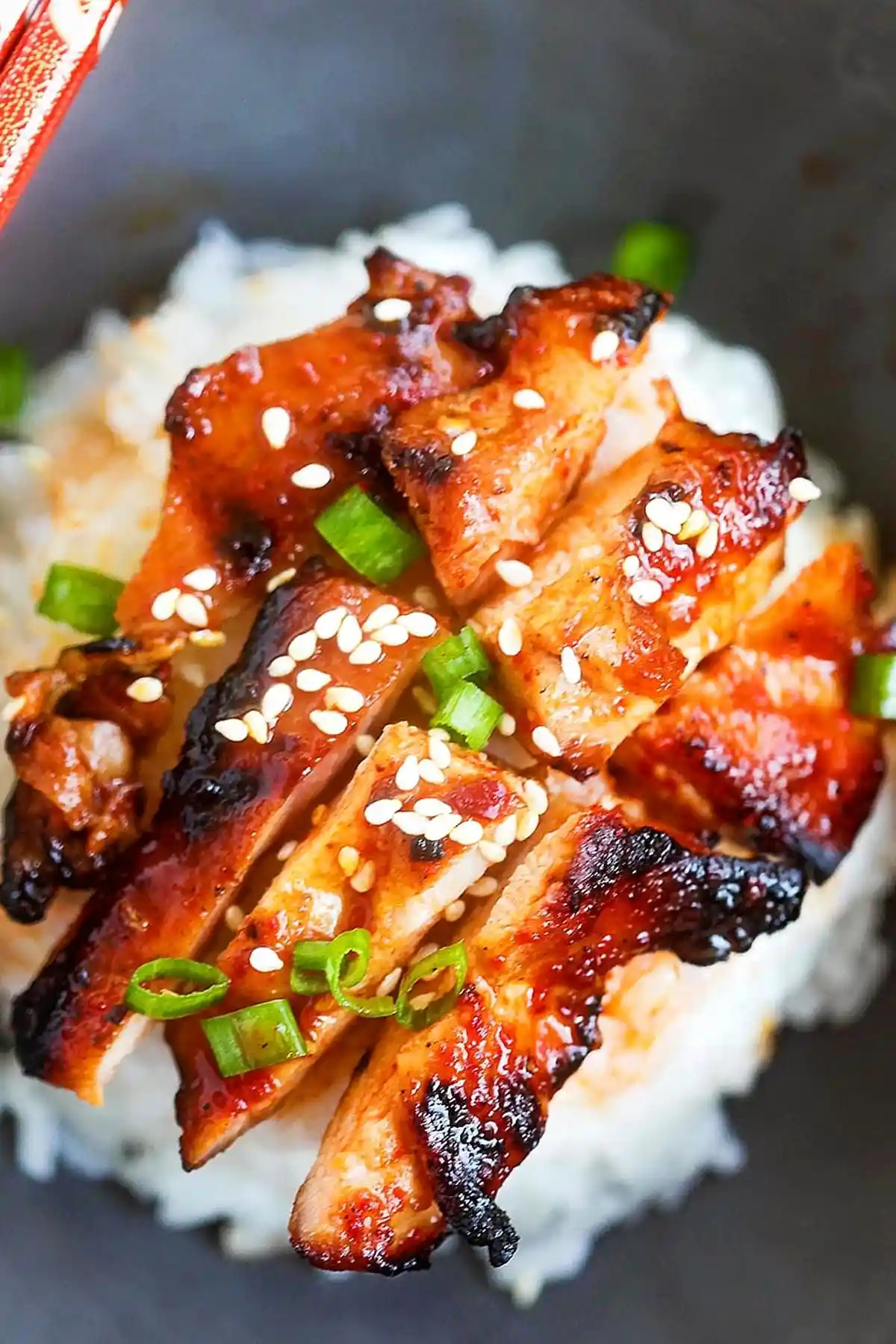
List of ingredients
- 1 lb boneless and skinless chicken thighs – provides a juicy texture.
- 1 tablespoon cooking oil – used for pan-frying the meat.
- 2 tablespoons oil – included in the marinade base.
- 1½ tablespoons Korean chili paste (gochujang) – adds the primary spicy and savory flavor.
- 1 teaspoon Korean red chili powder (gochugaru or regular chili powder) – provides smoky heat and color.
- 1 tablespoon sesame oil – adds a nutty aromatic depth.
- 2 tablespoons soy sauce – provides salt and umami.
- 1½ tablespoons sugar – balances the heat and aids caramelization.
- 1 piece ginger (peeled and minced (1 inch / 2 cm)) – adds a fresh, zesty note.
- 3 cloves garlic (minced) – contributes a pungent savory base.
- salt – added to taste.
step-by-step instructions
- Prepare the chicken: Cut the chicken thighs into smaller pieces. If your chicken thighs are thicker, slice each chicken thigh into 2 horizontal pieces. Set aside.
- Marinate the meat: Combine all the ingredients for the Marinade in a bowl, and mix until everything is well combined. Marinate the chicken for at least 30 minutes, or ideally, for two hours.
- Cook the chicken: Heat up a skillet with the cooking oil. Once the skillet is heated, pan-fry the chicken until cooked and slightly charred on the surface. Alternatively, you can bake it in the oven at 400°F (207°C) for about 20 minutes. Serve immediately with steamed rice.
Component Analysis for Authentic Flavor
Selecting Boneless Skinless Thighs
Thighs are preferred over breasts because they contain more intramuscular fat. This prevents the meat from drying out during the high-heat searing process. They maintain a tender texture even after long marinating periods.
The Function of Gochujang
Gochujang is a savory, sweet, and spicy fermented condiment that serves as the foundation of the sauce. It provides the primary body and thickness of the marinade. This paste allows the flavor to cling to the chicken pieces more effectively.
The Role of Gochugaru
Gochugaru provides a distinct smoky heat and a vibrant red color. Unlike standard chili powder, it is coarser and less pungent. It adds a layer of complexity to the overall heat profile of the dish.
Integrating Toasted Sesame Oil
Sesame oil is used for its aromatic properties rather than for high-heat frying. It adds a deep, nutty undertone that balances the spice of the chili paste. A small amount provides a significant fragrance to the final dish.
Using Sugar for Caramelization
Sugar acts as a necessary counterweight to the salt and spice. During the cooking process, the sugar undergoes caramelization, which creates the charred edges. This process enhances the overall flavor depth and visual appeal.
Incorporating Fresh Ginger
Fresh ginger adds a zesty, peppery note to the marinade. It helps cut through the richness of the chicken thighs. Mincing it finely ensures the flavor is distributed evenly throughout the meat.
The Impact of Minced Garlic
Garlic provides a pungent, savory base that anchors the other spices. It works in tandem with the soy sauce to create an umami-rich profile. Freshly minced garlic is more potent and aromatic than powdered versions.
Balancing with Soy Sauce
Soy sauce provides the necessary salinity and a fermented depth. It helps the other flavors penetrate deeper into the meat fibers. It also contributes to the dark, rich color of the final glaze.
Diverse Cooking Techniques
Achieving a Pan-Sear
Use a heavy-bottomed skillet to maintain consistent heat across the surface. Ensure the oil is shimmering before adding the chicken. Let the meat sit undisturbed for 2-3 minutes to develop a proper crust.
Oven Roasting Method
Preheating the oven to 400°F (207°C) ensures the chicken sears upon contact with the pan. Use a parchment-lined tray to prevent the sticky marinade from adhering to the metal. Roast for 20 minutes for a tender result.
Outdoor Grilling Strategy
Use medium-high heat on a grill to avoid burning the sugars too quickly. Turn the chicken pieces frequently to ensure an even cook. The open flame adds a characteristic smokiness that mimics restaurant BBQ.
Air Fryer Preparation
Set the air fryer to 375°F (190°C) and preheat if possible. Arrange the chicken in a single layer to allow maximum airflow around each piece. Cook for 12-15 minutes, flipping once halfway through.
Broiling for Maximum Char
After baking or pan-frying, place the chicken under a broiler for 1-2 minutes. This creates a concentrated char on the surface of the glaze. Watch the meat closely to avoid burning the sugar content.
Ingredient Substitutions and Modifications
Substituting Chicken Breasts
If using breast meat, cut the pieces into larger, uniform chunks to prevent overcooking. Reduce the cooking time slightly compared to thighs to avoid dryness. Be mindful that breasts lack the natural fat of thighs.
Alternative Sweeteners
Honey or brown sugar can be used instead of granulated white sugar. Honey creates a stickier glaze but is more prone to burning. Adjust the heat downward when using honey as a substitute.
Modifying the Heat Level
For a milder version, reduce the gochujang by half and add a teaspoon of tomato paste. For extra heat, increase the gochugaru or add a pinch of cayenne pepper. Always taste the marinade before adding the meat.
Plant-Based Protein Swaps
Extra-firm tofu is a suitable replacement for chicken. Press the tofu to remove excess water before marinating to ensure it absorbs the sauce. Increase marinating time to 4 hours for better flavor absorption.
Soy-Free Salt Options
Coconut aminos can replace soy sauce for a soy-free version of this recipe. Coconut aminos are slightly sweeter than soy sauce. You may need to reduce the added sugar to maintain the flavor balance.
Serving and Presentation Ideas
Traditional Rice Pairings
Serve with steamed short-grain white rice for a classic Korean experience. The neutral flavor of the rice balances the intense flavors of the marinade. Brown rice is a nutritious alternative that adds a nutty taste.
Adding Fresh Vegetable Sides
Pair the chicken with steamed bok choy or sautéed spinach. Sliced raw cucumbers with rice vinegar provide a refreshing, acidic contrast to the spicy meat. Blanched broccoli is another excellent, healthy option.
Complementary Korean Banchan
Serve the dish with kimchi or pickled radish (danmuji). These fermented side dishes provide acidity that cleanses the palate between bites. This makes the meal feel more like an authentic Korean feast.
Garnishing for Texture
Sprinkle toasted sesame seeds over the finished chicken for a professional touch. Add thinly sliced green onions for a pop of color and a mild onion bite. This adds both texture and visual appeal.
Storage and Preservation
Refrigerator Storage
Store cooked chicken in an airtight glass container to maintain freshness. It will remain safe to eat for 3 to 4 days. Keep the rice and chicken in separate containers to prevent the rice from getting soggy.
Freezer-Safe Methods
Cooked chicken can be frozen for up to 3 months. Use freezer-safe bags and remove as much air as possible to prevent freezer burn. Label the bag with the date of preparation.
Optimal Reheating Techniques
Reheat the chicken in a skillet over medium heat with a tablespoon of water. Cover with a lid to steam the meat back to tenderness. This method prevents the chicken from becoming rubbery or dry.
Microwave Reheating Tips
Use a microwave-safe dish and cover the chicken with a damp paper towel. Heat in short 30-second intervals. Stir the pieces between bursts to ensure even warming throughout the meat.
Troubleshooting and Common Fixes
Preventing Sauce Burn
The high sugar content in gochujang makes the sauce prone to burning at high temperatures. Use medium heat instead of high. Stir the chicken frequently to avoid hotspots in the pan.
Fixing Dry Chicken
If the meat feels dry, add a small amount of chicken broth during the reheating process. Ensure you are not overcooking chicken breasts if using them. Use a meat thermometer to hit exactly 165°F.
Correcting Excessive Saltiness
If the dish tastes too salty, serve it with a larger portion of unseasoned rice. You can also add a squeeze of fresh lime juice to balance the salt. Adding more fresh vegetables to the plate also helps.
Improving Texture of the Char
For a better char, pat the chicken dry before adding it to the hot pan. Ensure the pan is fully preheated before adding the oil. Do not overcrowd the skillet, as this lowers the temperature and steams the meat.
Frequently Asked Questions
Can I use chicken breast instead of chicken thighs?
Yes, but breast meat is leaner and cooks faster than thighs. Be careful not to overcook them to avoid a dry, tough texture.
Can I marinate the chicken overnight?
Yes, marinating overnight allows the flavors to penetrate deeper into the meat. Keep the chicken tightly covered in the refrigerator to maintain safety.
How do I know when the chicken is fully cooked?
Use a meat thermometer to ensure an internal temperature of 165°F (74°C). Alternatively, ensure the juices run clear when the thickest part is pierced.
Can I use this marinade for other proteins?
Yes, this marinade works well with beef, lamb-alternatives, or firm tofu. Adjust the marinating time based on the density of the protein you choose.
Print
Bold and Spicy Korean Chicken
- Total Time: 55 minutes
- Yield: 4 servings 1x
- Diet: General
Description
Juicy Spicy Korean Chicken with a bold, flavorful spicy marinade. Easy to make at home, tender and slightly charred, and cheaper and better than takeout. Perfect for weeknight dinners, served with steamed rice for a quick, restaurant-style meal everyone will love.
Ingredients
- 1 lb boneless and skinless chicken thighs
- 1 tablespoon cooking oil
- 2 tablespoons oil
- 1½ tablespoons Korean chili paste (gochujang)
- 1 teaspoon Korean red chili powder (gochugaru or regular chili powder)
- 1 tablespoon sesame oil
- 2 tablespoons soy sauce
- 1½ tablespoons sugar
- 1 inch ginger, peeled and minced
- 3 cloves garlic, minced
- salt to taste
Instructions
- Cut: Cut the chicken thighs into smaller pieces. If your chicken thighs are thicker, slice each chicken thigh into 2 horizontal pieces. Set aside.
- Marinate: Combine all the marinade ingredients in a bowl, and mix until everything is well combined. Marinate the chicken for at least 30 minutes, or ideally, for two hours.
- Cook: Heat up a skillet with the cooking oil. Once the skillet is heated, pan-fry the chicken until cooked and slightly charred on the surface. Alternatively, you can bake it in the oven at 400°F (207°C) for about 20 minutes.
Notes
Serve immediately with steamed rice. For an air fryer option, cook at 375°F (190°C) for 12-15 minutes, flipping halfway through.
- Prep Time: 10 minutes
- Cook Time: 15 minutes
- Category: Chicken
- Method: Pan-frying
- Cuisine: Korean
Nutrition
- Serving Size: 1 serving
- Calories: 263 kcal
- Sugar: 5 g
- Sodium: 614 mg
- Fat: 15 g
- Saturated Fat: 2 g
- Unsaturated Fat: 12 g
- Trans Fat: 0.05 g
- Carbohydrates: 8 g
- Fiber: 0.4 g
- Protein: 23 g
- Cholesterol: 108 mg