
This roasted poblano cream sauce provides a rich, smoky flavor profile that enhances a variety of savory dishes. It is a versatile condiment that balances mild heat with a velvety texture.
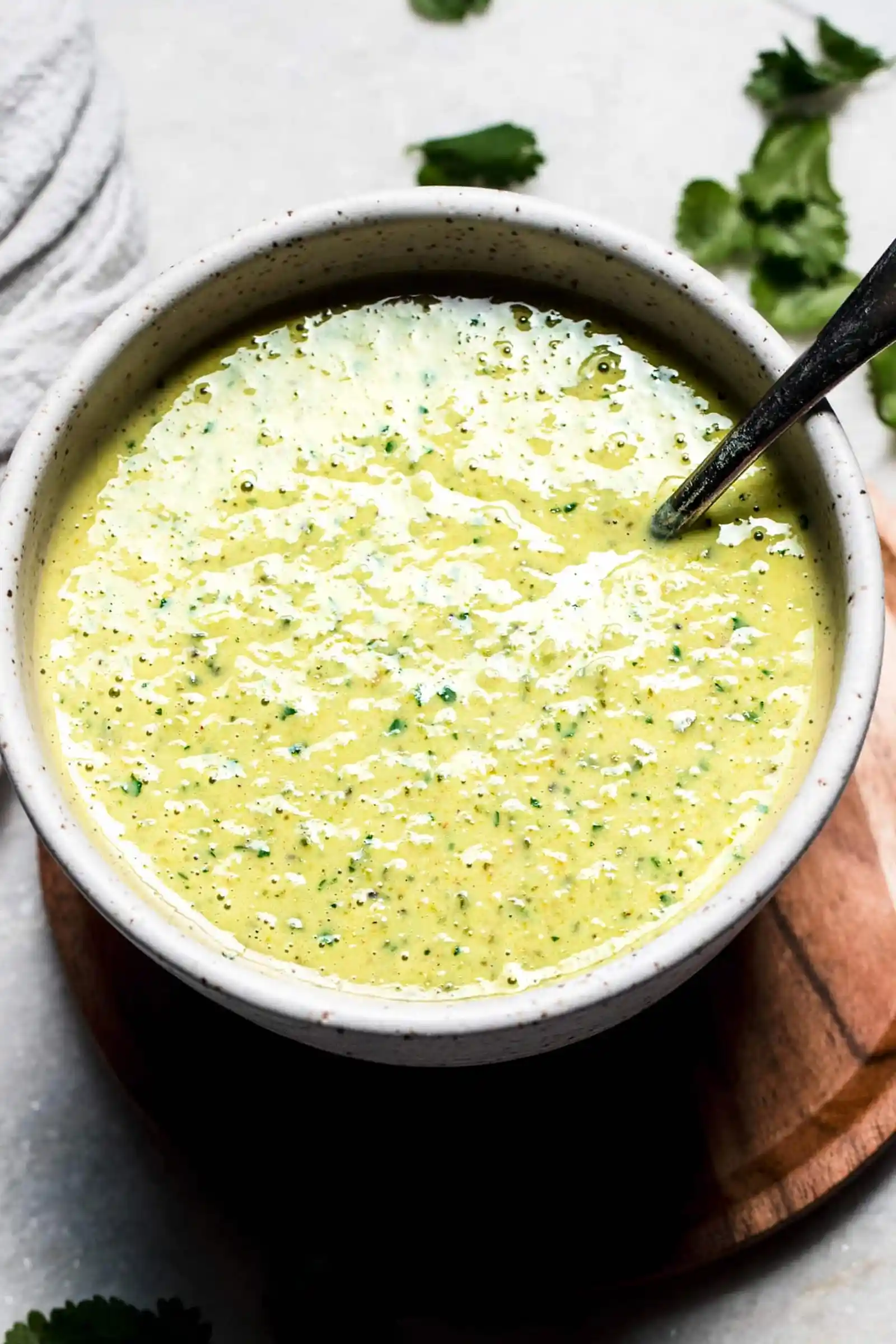
List of ingredients
- 1 Tablespoon olive oil – used for roasting the vegetables.
- ½ onion (rough chopped) – adds a sweet, savory base.
- 3 poblano peppers (about 1 pound) – the primary source of smoky flavor.
- 2 tablespoons butter – used to create the thickening roux.
- 1/4 cup flour – the thickening agent for the sauce.
- 1 cup chicken broth – provides a savory liquid base.
- ½ cup sour cream – creates a tangy, creamy consistency.
- 2 cloves garlic (peeled) – adds pungent aromatic depth.
- 1/2 teaspoon cumin – provides earthy, warm notes.
- 1/2 teaspoon salt – enhances all flavors.
- Salt and pepper (to taste) – used for final seasoning adjustments.
step-by-step instructions
- Roast the vegetables: Preheat your oven to 375 degrees. Slice the poblano peppers in half lengthwise and scoop out the insides. Add the poblanos and onions to a baking sheet and toss with the oil and a pinch of salt and pepper. Arrange the peppers so that they are skin side up. Roast for 30 minutes.
- Steam and peel: Transfer the roasted peppers to a plastic bag or a bowl covered with plastic wrap. This allows peppers to steam and will loosen the tough outer skin. Once cool enough to handle, use your fingers to peel the skin away. Discard the papery skins.
- Prepare the roux: Meanwhile, melt the butter in a medium skillet over medium high heat. Once melted, add the flour and whisk to form a thick paste. Cook for a few minutes until lightly browned. Then, slowly whisk in the chicken broth and cook for 5-10 minutes, until slightly thickened.
- Blend the sauce: Add the creamy mixture to a blender or food processor along with the peeled peppers, roasted onions, sour cream, garlic, cumin and salt. Pulse until smooth. Taste and adjust with additional salt and pepper, if needed.
Expert Preparation Tips
Maximize the Steaming Process
Always place the roasted peppers in a sealed environment immediately after removing them from the oven. Using a heavy-duty plastic bag or a tight-fitting lid traps the residual heat and moisture. This process effectively separates the skin from the flesh, making peeling effortless.
Achieve a Lump-Free Roux
When adding chicken broth to the butter and flour mixture, pour the liquid in a slow, steady stream. Whisk constantly and vigorously to incorporate the liquid. This prevents clumps of flour from forming and ensures a silky smooth base for the sauce.
Optimize Blending for Smoothness
Use a high-speed blender or a food processor to ensure no chunks of onion or pepper remain. Pulse the mixture several times before switching to a continuous blend. If the sauce remains grainy, continue blending for another minute to fully emulsify the sour cream and roux.
Ensure Even Roasting
Spread the poblano halves and chopped onions in a single layer on the baking sheet. Ensure that the pieces are not overlapping or crowded. This allows the hot air to circulate, ensuring the skins blister evenly and the onions caramelize properly.
Customization and Substitutions
Gluten-Free Flour Options
Replace the all-purpose flour with a 1:1 gluten-free flour blend that contains xanthan gum. This maintains the thickness of the roux without altering the flavor profile. Ensure the blend is whisked thoroughly with the butter before adding the broth.
Dairy-Free Creamy Alternatives
Substitute the butter with a plant-based butter alternative and the sour cream with cashew cream or a vegan sour cream. These options provide the necessary fat and tang to keep the sauce rich. Ensure the dairy-free substitute is at room temperature before blending to prevent separation.
Adjusting the Heat Level
If you prefer a milder taste, substitute the poblano peppers with Anaheim peppers or green bell peppers. For those who want more heat, add one roasted jalapeño or a pinch of cayenne pepper to the blender. Adjusting the pepper type changes the Scoville level while keeping the creamy texture.
Enhancing the Flavor Profile
Squeeze in one tablespoon of fresh lime juice at the end of blending for a bright, acidic finish. You can also swap fresh garlic for roasted garlic cloves to add a deeper, sweeter aromatic note. Adding a small amount of chipotle powder can introduce a deeper smoky heat.
Vegan Broth Substitutions
Use a high-quality vegetable broth or a vegan-certified chicken-style broth instead of traditional chicken broth. This makes the sauce entirely plant-based when combined with dairy-free alternatives. The flavor difference is minimal, as the roasted peppers dominate the profile.
Serving Recommendations
Pairing with Breakfast Favorites
Drizzle the sauce over scrambled eggs, omelets, or breakfast burritos. The smokiness of the poblanos complements the richness of the eggs perfectly. It also works well as a topping for breakfast tostadas or chilaquiles.
Complementing Grilled Meats
Use the sauce as a topping for grilled chicken breasts, salmon filets, or lean steaks. The creaminess helps keep the meat moist and adds a layer of complexity to grilled proteins. Brush the sauce on during the last two minutes of cooking or serve it as a side dip.
Using with Mexican-Inspired Dishes
Pour the sauce over chicken or cheese enchiladas for a rich finish. It is also an excellent addition to tacos, specifically those featuring sweet potatoes, corn, or grilled shrimp. Stir a few tablespoons into a bowl of tortilla soup to add creaminess and depth.
Serving as a Gourmet Dip
Warm the sauce slightly and serve it in a bowl surrounded by corn tortilla chips or fresh vegetable crudités. Sliced carrots, celery, and bell peppers pair well with the smoky flavor. This makes it a great appetizer for gatherings or parties.
Using as a Sandwich Spread
Spread a thick layer of the sauce on turkey wraps, roast beef sandwiches, or veggie burgers. It acts as a flavorful alternative to mayonnaise or aioli. The tang of the sour cream cuts through the richness of the sandwich fillings.
Storage and Preservation
Refrigeration Guidelines
Store the finished sauce in an airtight glass container in the refrigerator. It will remain fresh and flavorful for up to five days. Keep the container in the coldest part of the fridge to maintain the stability of the dairy components.
Freezing for Long Term Use
The sauce can be frozen for up to three months in a freezer-safe container or heavy-duty freezer bag. Leave a small amount of headspace at the top to allow for expansion during freezing. Ensure the container is completely airtight to prevent freezer burn.
Proper Thawing Procedures
Thaw the frozen sauce overnight in the refrigerator to ensure it warms evenly. Avoid thawing it on the counter to prevent the dairy from reaching unsafe temperatures. Once thawed, whisk the sauce vigorously to reintegrate any separated fats.
Best Reheating Methods
Reheat the sauce gently on the stovetop over low to medium-low heat. Stir frequently to prevent the bottom from scorching. If the sauce thickens too much during reheating, stir in a tablespoon of chicken broth or water to restore the original consistency.
Troubleshooting and FAQs
How to Fix a Sauce That Is Too Thick
If the sauce is too dense after blending, whisk in additional chicken broth one tablespoon at a time. Continue adding liquid until the sauce reaches your preferred pouring consistency. Reheat slightly to ensure the new liquid is fully incorporated.
How to Fix a Sauce That Is Too Thin
If the sauce is too runny, return it to a skillet over medium heat and simmer for several minutes. The evaporation process will naturally thicken the mixture. Alternatively, you can whisk in a small amount of additional roux if you have any remaining.
Why is the Sauce Bitter?
Bitterness usually occurs if the charred skins of the poblanos were not fully removed. Carefully inspect the pepper flesh for any remaining black papery bits and remove them before blending. Ensuring the peppers are properly steamed makes this process easier.
Is Poblano Sauce Spicy?
Poblano peppers are generally mild, typically ranging from 1,000 to 2,000 Scoville Heat Units. This makes the sauce accessible to most people who enjoy a hint of warmth without intense heat. However, individual peppers can vary, so tasting a small piece before blending is recommended.
Do I Really Need to Roast the Peppers?
Roasting is essential for developing the signature smoky flavor and sweetness of the poblano. Skipping this step results in a raw pepper taste and a tougher texture. Roasting also softens the flesh, which is necessary for a smooth blend.
What Can I Use Instead of Poblanos?
Anaheim peppers are the closest substitute for a similar mild flavor. For more heat, use jalapeños, though you may need to reduce the quantity to avoid overpowering the dish. Bell peppers can be used for a completely mild, sweeter version of the sauce.
Can I Use Greek Yogurt Instead of Sour Cream?
Yes, plain Greek yogurt is a suitable substitute for a tangier, higher-protein option. Note that Greek yogurt is thicker than sour cream, so you may need an extra splash of broth to achieve the same consistency. Use full-fat Greek yogurt for the best mouthfeel.
Print
Creamy Roasted Poblano Sauce
- Total Time: 50 minutes
- Yield: 6 servings 1x
- Diet: General
Description
If there’s one sauce to keep in your fridge at all times, it’s this Roasted Poblano Cream Sauce. Super creamy, bursting with smoky flavors, and perfect for topping on enchiladas, tacos, and eggs, you’ll be hooked after just one taste!
Ingredients
- 1 Tablespoon olive oil
- ½ onion (rough chopped)
- 3 poblano peppers (about 1 pound)
- 2 tablespoons butter
- 1/4 cup flour
- 1 cup chicken broth
- ½ cup sour cream
- 2 cloves garlic (peeled)
- 1/2 teaspoon cumin
- 1/2 teaspoon salt
- Salt and pepper (to taste)
Instructions
- Step: Preheat your oven to 375 degrees. Slice the poblano peppers in half lengthwise and scoop out the insides. Add the poblanos and onions to a baking sheet and toss with the oil and a pinch of salt and pepper. Arrange the peppers so that they are skin side up. Roast for 30 minutes.
- Step: Transfer the roasted peppers to a plastic bag or a bowl covered with plastic wrap. This allows peppers to steam and will loosen the tough outer skin. Once cool enough to handle, use your fingers to peel the skin away. Discard the papery skins.
- Step: Meanwhile, melt the butter in a medium skillet over medium high heat. Once melted, add the flour and whisk to form a thick paste. Cook for a few minutes until lightly browned. Then, slowly whisk in the chicken broth and cook for 5-10 minutes, until slightly thickened.
- Step: Add the creamy mixture to a blender or food processor along with the peeled peppers, roasted onions, sour cream, garlic, cumin and salt. Pulse until smooth. Taste and adjust with additional salt and pepper, if needed.
Notes
To ensure even roasting, arrange poblanos and onions in a single layer without overlapping. Steaming the peppers in a bag or covered bowl is essential for easy peeling. To avoid lumps, whisk the roux continuously and use a high-speed blender. For a gluten-free version, use a gluten-free flour blend. For a dairy-free version, substitute vegan butter and dairy-free sour cream or cashew cream. For a vegan version, use vegetable broth.
- Prep Time: 10 minutes
- Cook Time: 40 minutes
- Category: Sauce
- Method: Roasting
- Cuisine: Mexican
Nutrition
- Serving Size: 1 serving
- Calories: 131 kcal
- Sugar: 3 g
- Sodium: 378 mg
- Fat: 10 g
- Saturated Fat: 5 g
- Unsaturated Fat: 5 g
- Trans Fat: 0.2 g
- Carbohydrates: 9 g
- Fiber: 1 g
- Protein: 2 g
- Cholesterol: 22 mg