
This creamy ranch chicken is a satisfying skillet meal that features juicy pan-seared breasts smothered in a zesty cream sauce. It is a quick-cooking dish that brings a rich, comforting flavor to the dinner table in under an hour.
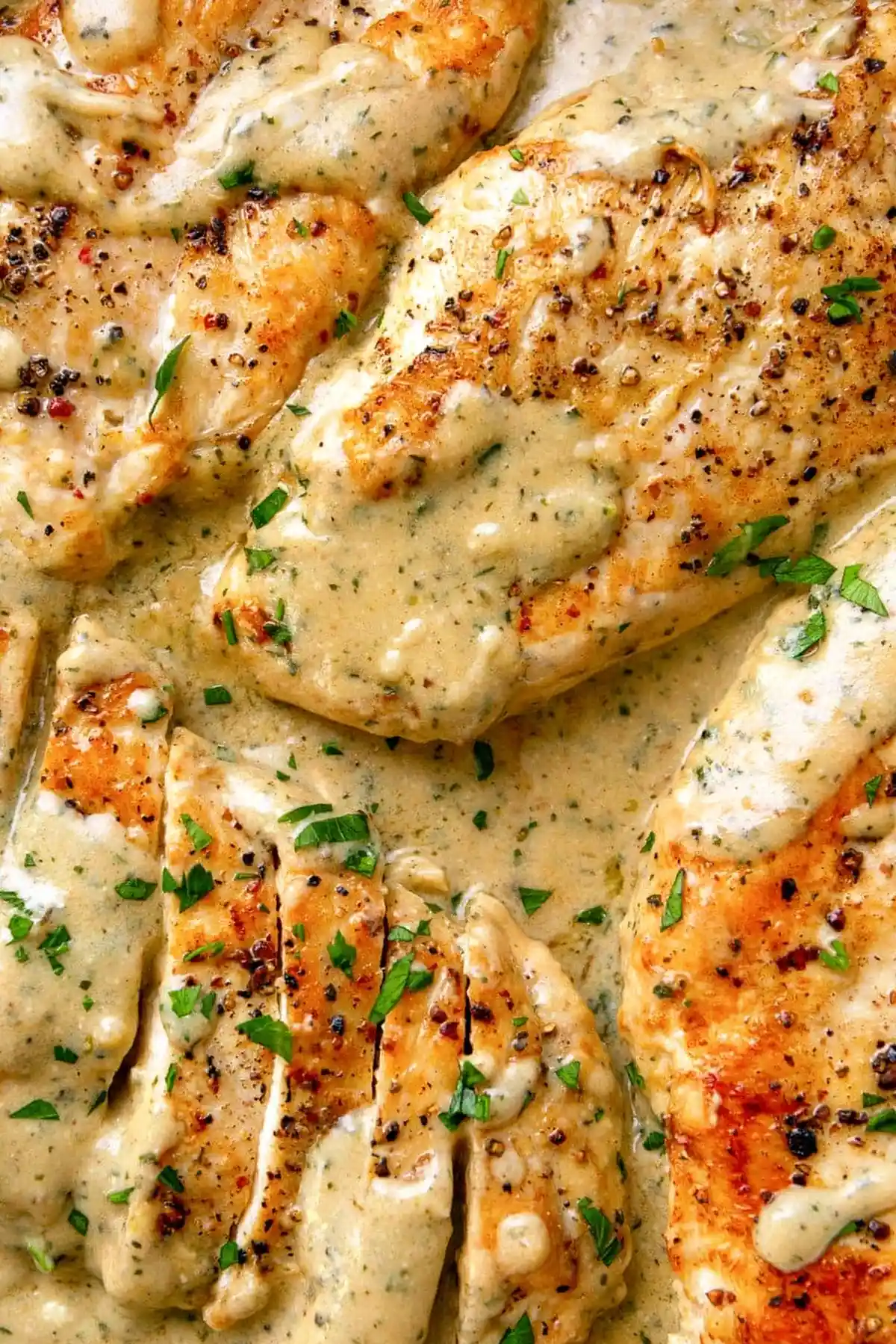
List of ingredients
- 4 boneless, skinless chicken breasts (5–8 oz. each) – pounded to even thickness.
- Salt and pepper – for seasoning both sides of the meat.
- 3 tablespoons butter, divided – used for searing and making the roux.
- 1 tablespoon olive oil – prevents butter from burning during searing.
- 1 tablespoon flour – acts as the thickening agent for the sauce.
- Fresh parsley, to garnish (optional) – adds a pop of color and freshness.
- 1 cup low sodium chicken broth – provides the liquid base for the gravy.
- 1/2 cup milk – adds creaminess and balances the seasoning.
- 1/4 cup sour cream – adds tang and thickness to the final sauce.
- 1/2 teaspoon onion powder – provides a deep, savory base note.
- 1/2 teaspoon garlic powder – adds pungent, aromatic flavor.
- 1/2 teaspoon Italian seasoning – brings an herbal complexity to the dish.
- 1 (1 oz.) packet Ranch seasoning mix – the primary flavoring agent for the sauce.
step-by-step instructions
- Prepare the chicken: Pound the chicken breasts to an even 1” thickness using a meat mallet and season both sides of the chicken with salt and pepper.
- Sear the meat: In a skillet over medium-high heat, melt 1 tablespoon of butter and add olive oil. Sear the chicken on each side until golden brown, about 4-5 minutes per side, then remove to a plate and set aside.
- Create the roux: Reduce heat to low and add the remaining butter. Stir in flour and cook for about one minute to remove the raw flour taste.
- Deglaze the pan: Pour in chicken broth and scrape up the browned bits stuck to the pan to incorporate those flavors into the sauce.
- Combine sauce ingredients: Add milk, sour cream, onion powder, garlic powder, Italian seasoning, and ranch seasoning mix. Stir to combine until the sour cream and ranch seasoning have fully dissolved.
- Simmer: Add the chicken and any accumulated plate juices back to the pan and spoon the sauce over the chicken. Simmer in the sauce until the chicken is heated through and the sauce has reduced slightly.
- Finish and serve: Dish and serve hot, topped with fresh parsley if desired.
Mastering the Chicken Preparation
Why Pounding Chicken Breasts is Essential
Chicken breasts are naturally tapered, with a thick center and thin edges. Pounding them to a uniform 1-inch thickness ensures that the edges do not dry out while the center reaches a safe internal temperature. This process results in a more consistent texture across the entire piece of meat.
Implementing the Two-Hand Seasoning Technique
To maintain kitchen hygiene, use your dominant hand exclusively for sprinkling salt and pepper. Use your non-dominant hand to pat the seasoning into the meat and flip the breasts. This minimizes the need for constant hand washing and prevents cross-contamination of raw poultry juices.
Achieving the Perfect Golden Sear
Wait for the olive oil and butter to shimmer before adding the chicken to the pan. A hot surface triggers the Maillard reaction, which creates the brown, caramelized crust that provides deep flavor. Avoid crowding the pan, as this can drop the temperature and cause the chicken to steam instead of sear.
Ensuring Juicy Results
Avoid overcooking the chicken during the initial searing phase since it will simmer in the sauce later. Once the chicken reaches a golden brown color, remove it immediately. The final simmering step will bring the internal temperature to 165°F without toughening the protein fibers.
Optimizing the Creamy Ranch Sauce
The Science of the Flour Roux
Combining melted butter and flour creates a roux, which is the foundation of a stable sauce. Cooking the flour for one minute removes the raw, starchy taste while allowing the fat to coat the starch granules. This ensures the sauce is smooth and does not separate when the liquids are added.
Deglazing for Maximum Flavor
The browned bits left in the pan after searing are called fond, which contains concentrated savory flavors. Pouring chicken broth into the hot pan allows you to scrape up these particles. This process, known as deglazing, integrates those rich flavors directly into the creamy sauce.
Preventing Sour Cream Curdling
High heat can cause the proteins in sour cream to clump, leading to a grainy texture. To prevent this, ensure the heat is reduced to low before stirring in the dairy. Using full-fat sour cream provides more stability and a smoother emulsion than low-fat versions.
Balancing the Sodium Levels
Ranch seasoning packets are typically high in salt. Using low-sodium chicken broth helps keep the overall salt level in balance. If you find the sauce too salty, you can add a small splash of extra milk or a pinch of sugar to neutralize the intensity.
Ingredient Substitutions and Alternatives
Using Different Dairy Options
If you do not have milk, you can use heavy cream for a thicker, richer sauce, though you may need to reduce the amount of flour. For a lighter version, unsweetened almond milk or soy milk can work, provided they are not overly flavored. Always stir these in slowly to maintain the emulsion.
Replacing Sour Cream
Plain Greek yogurt is an excellent substitute for sour cream, providing a similar tang and thickness. However, Greek yogurt is more prone to curdling than sour cream, so stir it in at the very end of the process. Keep the heat very low during this final addition.
Gluten-Free Thickening Agents
For a gluten-free version, replace the all-purpose flour with a 1:1 gluten-free flour blend or cornstarch. If using cornstarch, mix it with a small amount of cold water to create a slurry before adding it to the broth. This prevents lumps from forming in the sauce.
Homemade Ranch Seasoning Mix
If you prefer to avoid store-bought packets, you can create your own mix. Combine dried parsley, dried dill, onion powder, garlic powder, salt, and black pepper. This allows you to control the sodium content and ensure a fresher herbal taste.
Serving and Pairing Ideas
Starchy Bases for Sauce Absorption
Because this recipe produces a generous amount of sauce, it is best served over absorbent starches. Mashed potatoes are a classic choice that complements the creaminess of the ranch. Alternatively, steamed jasmine rice or buttered egg noodles work well to soak up every drop of gravy.
Complementary Vegetable Sides
Balance the richness of the cream sauce with vibrant, steamed or roasted vegetables. Steamed broccoli or roasted asparagus provide a slight bitterness and crunch that cuts through the dairy. Garlic butter mushrooms also pair well with the savory notes of the ranch seasoning.
Adding a Fresh Element
A crisp side salad with a light vinaigrette can provide a refreshing contrast to the heavy sauce. Mixed greens with sliced cucumbers and cherry tomatoes offer a clean palate cleanser between bites. This prevents the meal from feeling overly weighed down by the cream.
Storage and Reheating Guidance
Proper Refrigeration Methods
Store leftover chicken and sauce in an airtight glass or plastic container. Ensure the chicken is fully submerged in the sauce to prevent the meat from drying out during storage. These leftovers will remain safe and flavorful in the refrigerator for up to three days.
Reheating on the Stovetop
For the best texture, reheat the dish in a skillet over low to medium heat. Add a tablespoon of milk or water to loosen the sauce, as the flour and dairy will thicken significantly in the fridge. Stir gently until the chicken is heated through and the sauce is glossy again.
Microwave Reheating Tips
If using a microwave, heat the chicken in short 30-second intervals. Stirring between intervals helps distribute the heat evenly and prevents the sauce from separating. Adding a splash of milk before microwaving helps maintain the creamy consistency.
Freezing Considerations
This dish is not recommended for freezing because the dairy components, particularly the sour cream and milk, often separate upon thawing. The sauce may become grainy or watery. For the best quality, enjoy this meal fresh or from the refrigerator.
Troubleshooting Common Sauce Issues
What to Do if the Sauce is Too Thin
If the sauce has not thickened enough, allow it to simmer for an additional few minutes without a lid. The evaporation of liquid will naturally concentrate the sauce. Alternatively, you can whisk in a tiny amount of cornstarch slurry to thicken it instantly.
How to Fix an Overly Salty Sauce
If the ranch seasoning makes the dish too salty, add a splash of heavy cream or a tablespoon of unsalted butter. The extra fat helps coat the tongue and masks the intensity of the salt. Adding a squeeze of fresh lemon juice can also brighten the flavor and balance the saltiness.
Resolving Sauce Separation
Separation usually happens when the sauce is boiled too vigorously or the dairy is added to a pan that is too hot. To fix this, remove the pan from the heat and whisk vigorously. If it remains separated, a small amount of cold butter whisked in at the end can help re-emulsify the sauce.
Frequently Asked Questions
Can I use chicken thighs instead of breasts?
Yes, boneless skinless chicken thighs can be used. They are more forgiving and stay juicy longer, but they may require a slightly longer searing time to brown properly. You do not need to pound them, but ensure they are of similar thickness for even cooking.
How do I know when the chicken is fully cooked?
The safest method is to use an instant-read meat thermometer. The thickest part of the chicken breast should reach an internal temperature of 165°F. If you do not have a thermometer, the meat should be opaque throughout with clear juices running out.
Can I make this dish in a slow cooker?
This specific recipe is designed for the stovetop to achieve a sear and a roux. For a slow cooker, you would omit the searing and flour steps, cooking the chicken in the combined sauce ingredients on low for 6-8 hours. However, the flavor profile and texture will be different from the pan-seared version.
Can I use a different seasoning packet?
While ranch is the star, you can use similar herb-based mixes like zesty Italian or garlic herb. If using a different packet, taste the sauce before adding extra salt or garlic powder. Adjust the Italian seasoning accordingly to match the flavor profile of the new packet.
Print
Creamy Ranch Chicken
- Total Time: 40 minutes
- Yield: 4 servings 1x
- Diet: General
Description
This creamy ranch chicken recipe is comforting and delicious with juicy pan-seared chicken breasts in a zesty and flavorful cream sauce.
Ingredients
- 4 boneless, skinless chicken breasts (5–8 oz. each)
- Salt and pepper
- 3 tablespoons butter, divided
- 1 tablespoon olive oil
- 1 tablespoon flour
- Fresh parsley, to garnish (optional)
- 1 cup low sodium chicken broth
- 1/2 cup milk
- 1/4 cup sour cream
- 1/2 teaspoon onion powder
- 1/2 teaspoon garlic powder
- 1/2 teaspoon Italian seasoning
- 1 (1 oz.) packet Ranch seasoning mix
Instructions
- Step: Pound the chicken breasts to an even 1” thickness using a meat mallet and season both sides of the chicken with salt and pepper.
- Step: In a skillet over medium-high heat, melt 1 tablespoon of butter and add olive oil. Sear the chicken on each side until golden brown, about 4-5 minutes per side. Remove to a plate and set aside.
- Step: Reduce heat to low and add the remaining butter. Stir in flour and cook for about one minute.
- Step: Pour in chicken broth and scrape up the browned bits stuck to the pan.
- Step: Add milk, sour cream, onion powder, garlic powder, Italian seasoning and ranch seasoning mix. Stir to combine until the sour cream and ranch seasoning has fully dissolved into the sauce.
- Step: Add chicken and plate juices back to the pan and spoon the sauce over the chicken. Simmer in the sauce until the chicken is heated through and the sauce has reduced slightly.
- Step: Dish and serve hot topped with fresh parsley (optional).
Notes
Use boneless, skinless chicken breasts on the smaller side (about 5-8 oz. each). If using large breasts, cut them in half lengthwise to create cutlets. Use full-fat sour cream to ensure the sauce does not curdle.
- Prep Time: 10 minutes
- Cook Time: 30 minutes
- Category: Main Dish
- Method: Pan-Searing
- Cuisine: American
Nutrition
- Serving Size: 1 chicken breast with sauce
- Calories: 480 kcal
- Sugar: 6 g
- Sodium: 980 mg
- Fat: 24 g
- Saturated Fat: 13 g
- Unsaturated Fat: 11 g
- Trans Fat: 0 g
- Carbohydrates: 14 g
- Fiber: 1 g
- Protein: 52 g
- Cholesterol: 145 mg