
This luxurious creamed lobster sauce brings a touch of fine dining directly to your home kitchen. By combining tender, succulent lobster meat with a rich, velvety butter and cream reduction, you can transform everyday meals into gourmet experiences. It is an ideal way to elevate a simple weeknight dinner into something truly memorable and indulgent.
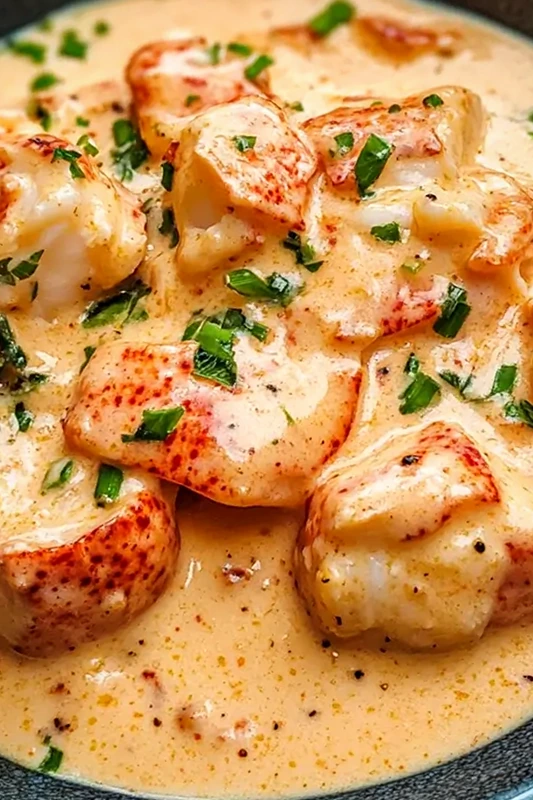
List of ingredients
- 2 lobster tails (fresh or frozen)
- 2 tbsp butter
- 1/2 cup heavy cream
- 1/4 cup lobster broth (or chicken broth)
- 1 small shallot or garlic (minced, optional)
- 1 tsp Worcestershire sauce
- 1 tsp mustard
- 1 tsp fresh tarragon (chopped)
- 1 tbsp lemon juice
- Salt and pepper to taste
step-by-step instructions
- Cook the Lobster: Steam or boil lobster tails for 5-7 minutes until the shells turn bright red and the meat is opaque. Remove lobster meat from the shells and chop into bite-sized pieces.
- Make the Sauce: In a large skillet, melt butter over medium heat. If using, add minced shallot or garlic and sauté until softened. Pour in heavy cream and lobster broth. Simmer for 5-7 minutes to thicken.
- Add Seasonings: Stir in Worcestershire sauce, mustard, salt, and pepper. Simmer for an additional 2-3 minutes.
- Add Lobster: Gently fold in the lobster meat and cook for another 2-3 minutes. Adjust seasoning with salt, pepper, or more lemon juice as desired.
- Garnish and Serve: Garnish with chopped tarragon or parsley. Serve immediately over pasta, grilled fish, or vegetables.
Practical Preparation Strategies
Maintaining the Ideal Cream Consistency
To achieve a perfectly silky sauce, it is vital to control your heat level during the simmering process. If the cream boils too vigorously, it may break or separate, leading to a grainy texture. Always keep the heat at a gentle, steady bubble to ensure the emulsion remains stable and perfectly smooth.
Preventing Overcooked Lobster Meat
Lobster meat is extremely delicate and can become rubbery if exposed to high heat for too long. By chopping the meat into uniform pieces and folding it in only at the final stage, you ensure it stays tender. Think of the final simmer as a gentle warming process rather than a cooking phase.
Selecting the Best Broth
While lobster broth provides the most authentic flavor, a high-quality vegetable broth is an excellent alternative. Avoid using overly salty store-bought broths, as the reduction process concentrates sodium levels significantly. If your broth is concentrated, dilute it with a small amount of water to keep the salt levels balanced.
Substitution Options
Dairy-Free and Lighter Alternatives
If you prefer a lighter sauce, you can replace a portion of the heavy cream with full-fat coconut milk or a professional-grade cashew cream. While this changes the flavor profile slightly, it retains a luxurious, creamy texture. You may need to add a pinch more salt to compensate for the natural sweetness of these plant-based alternatives.
Replacing the Lobster
If lobster is unavailable or budget-prohibitive, fresh jumbo lump crab meat serves as a magnificent substitute. The preparation method remains identical, as the sweetness of the crab pairs equally well with the tarragon and lemon notes. Firm white fish, such as cod or halibut, can also be poached in the sauce for a rustic, hearty variation.
Alternative Aromatics
If shallots are not available, you can use the white part of a leek or a very mild sweet onion. Ensure they are minced as finely as possible to integrate seamlessly into the velvety sauce. Avoid using harsh yellow onions, which can overpower the delicate sweetness of the shellfish.
Serving Suggestions
Pairing with Pasta Varieties
This sauce adheres beautifully to long, flat noodles like linguine, fettuccine, or pappardelle, which offer a wide surface area for the sauce to cling to. For a bite-sized experience, try serving it over gnocchi, where the sauce pools in the crevices of the pillowy dumplings. Always toss the pasta directly in the skillet with a splash of pasta water to marry the flavors.
Serving Alongside Roasted Vegetables
For a low-carb alternative, serve the lobster sauce over a bed of roasted cauliflower steaks or steamed asparagus spears. The earthy bitterness of these vegetables contrasts perfectly with the decadent, creamy sauce. This combination makes for an elegant appetizer or a sophisticated side dish for a larger meal.
Accompaniments for Gourmet Plating
To turn your plate into a restaurant-style masterpiece, consider serving with a side of crusty sourdough bread. The bread is essential for mopping up any remaining sauce on the plate. A simple, crisp green salad dressed with a bright vinaigrette provides the necessary palate cleansing between bites of the rich sauce.
Storage and Reheating Guidelines
Managing Leftover Sauce
If you have leftovers, store the sauce in an airtight glass container to prevent flavor absorption from other foods in the refrigerator. It should be consumed within two days to maintain the best quality. Avoid storing the lobster meat separately if possible, as it will lose its texture if not kept submerged in the sauce.
Gentle Reheating Techniques
When reheating, never use high power in a microwave, as this will inevitably toughen the lobster. Instead, place the sauce in a small saucepan over low heat, adding a tablespoon of broth or milk to loosen the mixture. Stir constantly until the sauce returns to a warm, uniform consistency without reaching a boil.
Freezing Considerations
While cream-based sauces can sometimes separate upon freezing, you can freeze this sauce if you use a high-fat cream base. Note that the texture of the lobster will significantly degrade after being frozen and thawed. It is highly recommended to prepare the sauce base ahead of time and add the fresh lobster only at the moment of final service.
Troubleshooting Common Issues
What if the sauce is too thin?
If your sauce has not reached your desired thickness, do not add flour as it can alter the flavor. Instead, continue to simmer the sauce for an additional few minutes while stirring. Alternatively, you can whisk in a tiny amount of cold butter at the very end, which adds both body and a glossy sheen to the final dish.
What if the sauce tastes too heavy?
The key to balancing a rich, creamy sauce is acidity. If the flavor feels flat or too heavy on the palate, add an extra splash of lemon juice or a small teaspoon of white vinegar. These elements cut through the fat and immediately brighten the overall profile of the dish.
Why did my lobster turn rubbery?
Rubbery lobster is almost always the result of prolonged exposure to heat. Remember that the lobster should only be cooked until opaque. If you are worried about timing, it is safer to undercook the lobster by one minute during the initial steaming phase, as it will continue to cook slightly when folded into the hot sauce.
Print
Creamed Lobster Sauce: A Decadent Step-by-Step Guide
- Total Time: PT25M
- Yield: 2 servings 1x
- Diet: Gluten Free
Description
A rich, velvety sauce made with tender lobster meat, heavy cream, butter, and seasonings like tarragon, mustard, and lemon juice. Perfect for elevating pasta, grilled fish, vegetables, or roasted meats into a luxurious meal.
Ingredients
- 2 lobster tails (fresh or frozen)
- 2 tbsp butter
- 1/2 cup heavy cream
- 1/4 cup lobster broth (or chicken broth)
- 1 small shallot or garlic (minced, optional)
- 1 tsp Worcestershire sauce
- 1 tsp mustard
- 1 tsp fresh tarragon (chopped)
- 1 tbsp lemon juice
- Salt and pepper to taste
Instructions
- Cook the Lobster: Steam or boil lobster tails for 5-7 minutes until the shells turn bright red and the meat is opaque. Remove lobster meat from the shells and chop into bite-sized pieces.
- Make the Sauce: In a large skillet, melt butter over medium heat. If using, add minced shallot or garlic and sauté until softened. Pour in heavy cream and lobster broth. Simmer for 5-7 minutes to thicken.
- Add Seasonings: Stir in Worcestershire sauce, mustard, salt, and pepper. Simmer for an additional 2-3 minutes.
- Add Lobster: Gently fold in the lobster meat and cook for another 2-3 minutes. Adjust seasoning with salt, pepper, or more lemon juice as desired.
- Garnish and Serve: Garnish with chopped tarragon or parsley. Serve immediately over pasta, grilled fish, or vegetables.
Notes
For a lighter version, substitute heavy cream with half-and-half or milk. You can make the sauce in advance, but add the lobster just before serving. Use frozen lobster tails if fresh lobster isn’t available.
- Prep Time: PT10M
- Cook Time: PT15M
- Category: Sauce
- Method: Stovetop
- Cuisine: French-inspired
Nutrition
- Serving Size: 1/2 of recipe
- Calories: 300 kcal
- Sugar: 2 g
- Sodium: 400 mg
- Fat: 25 g
- Saturated Fat: 14 g
- Unsaturated Fat: 8 g
- Trans Fat: 0 g
- Carbohydrates: 6 g
- Fiber: 0 g
- Protein: 20 g
- Cholesterol: 90 mg