
This One Pot Cajun Chicken Alfredo Orzo combines the savory, spicy notes of Cajun seasoning with a luxurious, velvety Alfredo sauce. Perfect for busy evenings, this complete meal cooks entirely in one vessel to ensure effortless cleanup and deeply infused flavors. It is the ideal solution for anyone seeking a sophisticated dinner that feels like a restaurant creation with minimal effort.
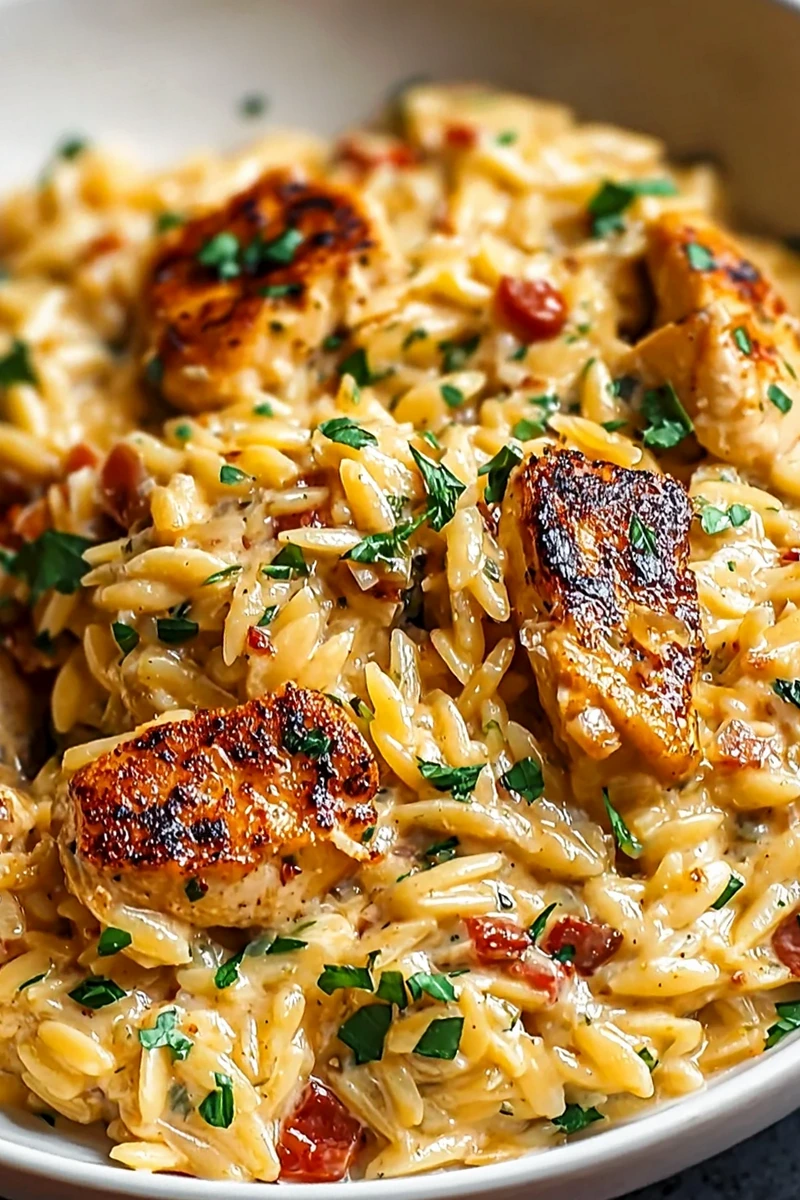
List of ingredients
- 1 tablespoon olive oil
- 1 pound boneless, skinless chicken breasts or thighs, cut into bite-sized pieces
- Cajun seasoning, to taste
- 1 cup orzo pasta
- 2 cups low-sodium chicken broth
- 1 cup heavy cream
- 1 cup freshly grated Parmesan cheese
- 1 medium onion, diced
- 1 bell pepper (mix of green and red), diced
- 2 stalks celery, diced
- 3 cloves garlic, minced
step-by-step instructions
- Sear the Chicken: Heat a tablespoon of olive oil in a large, heavy-bottomed pot or Dutch oven over medium-high heat. Add the seasoned chicken pieces in a single layer and sear for about 3-4 minutes per side until golden brown and mostly cooked through. Remove the chicken from the pot and set aside.
- Sauté the Aromatics: In the same pot, add more olive oil if needed, then toss in the diced onion, bell peppers, and celery. Cook over medium heat for about 5-7 minutes until softened and fragrant. Add the minced garlic and cook for another minute until aromatic.
- Add Orzo and Broth: Stir in the uncooked orzo with the sautéed vegetables for about a minute to toast it lightly. Pour in the chicken broth and scrape up any browned bits from the bottom of the pot. Stir in the remaining Cajun seasoning.
- Simmer and Cook: Bring the mixture to a gentle boil, then reduce the heat to low, cover the pot, and let it simmer for about 10-12 minutes, stirring occasionally to prevent sticking.
- Return Chicken and Finish Sauce: Once the orzo is al dente and most of the liquid is absorbed, stir the seared chicken back into the pot. Pour in the heavy cream and stir in the Parmesan cheese until melted and the sauce is creamy.
- Serve and Enjoy: Taste and adjust seasoning as needed. Garnish with fresh chopped parsley and serve immediately.
Techniques for Optimal Cooking
Managing Heat Levels
Cajun seasoning can vary significantly in intensity depending on the brand or your homemade ratio of cayenne and paprika. If you are unsure of the heat level, start with a smaller portion of the seasoning and taste the chicken broth before adding the orzo. You can always increase the intensity at the end with a dash of hot sauce or an extra sprinkle of cayenne, but it is difficult to dilute the heat once the pasta has absorbed it.
Achieving the Best Texture
Orzo pasta is essentially a tiny, rice-shaped noodle that expands during the simmering process. To prevent the pasta from becoming mushy, keep a close watch during the final three minutes of the simmering stage. The goal is to reach an al dente state, where there is a slight, pleasant resistance when biting into the pasta, before adding the cream and cheese.
Selecting the Right Pot
Because this recipe relies on a single pot, the choice of cookware impacts the final result significantly. A heavy-bottomed Dutch oven or a deep, stainless steel skillet is ideal because it distributes heat evenly across the base. This prevents the vegetables from burning in one spot while leaving others raw, and ensures the orzo cooks uniformly without sticking to the metal surface.
Refining Your Culinary Approach
Maintaining Ingredient Integrity
When preparing your vegetables, consistency in chopping size is vital. Dicing the onion, bell pepper, and celery into uniform, small pieces ensures that they soften at the same rate and distribute evenly throughout the pasta. This creates a balanced bite in every spoonful, allowing you to enjoy the snap of the pepper and the savory depth of the onion and celery together.
Balancing Sauce Consistency
The heavy cream and Parmesan cheese react to the temperature of the pot instantly. To ensure the smoothest, most stable emulsion, add the cream and cheese only after the heat has been turned to a very low setting or even turned off. Adding these ingredients while the pot is at a high boil can sometimes cause the sauce to separate or become grainy, which detracts from the desired velvety texture.
Enhancing Flavor Complexity
The browned bits, often called the fond, that remain on the bottom of the pot after searing the chicken are essential to the dish’s flavor. When you pour in the chicken broth, use a wooden spoon to gently scrape these bits loose. This technique incorporates the concentrated flavor of the seared chicken directly into the cooking liquid, creating a much richer finished sauce than you would get otherwise.
Common Questions and Solutions
Can I make this dish without heavy cream?
While heavy cream provides the traditional richness for an Alfredo style sauce, you can substitute it with half-and-half or a mix of milk and a small amount of cornstarch. Be aware that the resulting sauce will be thinner and less luxurious, so you may need to simmer it for an extra minute to achieve your preferred thickness.
Why does the orzo stick to the bottom of the pot?
Orzo releases a significant amount of starch as it cooks, which can cause it to adhere to the pot. The most effective way to avoid this is to stir the mixture every two to three minutes throughout the simmering process. If you notice the pot seems dry before the orzo is tender, add a tiny splash of additional chicken broth to keep the liquid levels adequate.
What should I do if the pasta is cooked but the sauce is too thin?
If the sauce is not thickening to your satisfaction, remove the lid entirely for the final two minutes of cooking. This allows steam to escape, which naturally thickens the remaining liquid. Additionally, ensuring that your Parmesan is freshly grated is crucial, as the anti-caking agents found in pre-shredded varieties often prevent the cheese from melting into a cohesive, thickening sauce.
Storage and Planning Strategies
Storing Leftovers Correctly
If you have leftovers, allow the dish to reach room temperature before placing it into a shallow, airtight container. Using a shallow container helps the dish cool faster in the refrigerator, which is important for food safety. The orzo will continue to absorb moisture even after being placed in the fridge, so expect the consistency to change slightly by the next day.
Restoring Creaminess Upon Reheating
When reheating individual portions, the starch in the orzo and the fat in the cream will make the sauce appear thicker than it was when first cooked. To restore the original creamy texture, add one to two tablespoons of chicken broth or water per serving before heating. Reheat gently on the stovetop over low heat, stirring constantly to prevent the dairy from breaking down.
Making the Meal Ahead of Time
You can streamline this dinner by prepping all your ingredients in advance. Chop the onions, peppers, celery, and chicken earlier in the day and keep them in separate containers. You can even combine the spices in a small bowl. Having the “mise en place” ready allows you to move seamlessly through the cooking process without the stress of multitasking while you are hungry or pressed for time.
Print
One Pot Cajun Chicken Alfredo Orzo
- Total Time: PT30M
- Yield: 4 servings 1x
- Diet: High Protein
Description
This One Pot Cajun Chicken Alfredo Orzo is a comforting weeknight meal that combines rich, creamy Alfredo with zesty Cajun flavors and tender chicken. All cooked in just one pot for minimal cleanup and maximum flavor!
Ingredients
- 1 tablespoon olive oil
- 1 pound boneless, skinless chicken breasts or thighs, cut into bite-sized pieces
- Cajun seasoning, to taste
- 1 cup orzo pasta
- 2 cups low-sodium chicken broth
- 1 cup heavy cream
- 1 cup freshly grated Parmesan cheese
- 1 medium onion, diced
- 1 bell pepper (mix of green and red), diced
- 2 stalks celery, diced
- 3 cloves garlic, minced
Instructions
- Sear the Chicken: Heat a tablespoon of olive oil in a large, heavy-bottomed pot or Dutch oven over medium-high heat. Add the seasoned chicken pieces in a single layer and sear for about 3-4 minutes per side until golden brown and mostly cooked through. Remove the chicken from the pot and set aside.
- Sauté the Aromatics: In the same pot, add more olive oil if needed, then toss in the diced onion, bell peppers, and celery. Cook over medium heat for about 5-7 minutes until softened and fragrant. Add the minced garlic and cook for another minute until aromatic.
- Add Orzo and Broth: Stir in the uncooked orzo with the sautéed vegetables for about a minute to toast it lightly. Pour in the chicken broth and scrape up any browned bits from the bottom of the pot. Stir in the remaining Cajun seasoning.
- Simmer and Cook: Bring the mixture to a gentle boil, then reduce the heat to low, cover the pot, and let it simmer for about 10-12 minutes, stirring occasionally to prevent sticking.
- Return Chicken and Finish Sauce: Once the orzo is al dente and most of the liquid is absorbed, stir the seared chicken back into the pot. Pour in the heavy cream and stir in the Parmesan cheese until melted and the sauce is creamy.
- Serve and Enjoy: Taste and adjust seasoning as needed. Garnish with fresh chopped parsley and serve immediately.
Notes
For a lighter option, you can use half-and-half instead of heavy cream. Feel free to add other quick-cooking vegetables or substitute chicken with shrimp for variation. Ensure the pot is heavy-bottomed to prevent sticking.
- Prep Time: PT10M
- Cook Time: PT20M
- Category: Dinner
- Method: Stovetop
- Cuisine: Cajun
Nutrition
- Serving Size: 1 bowl
- Calories: 600 kcal
- Sugar: 3 g
- Sodium: 800 mg
- Fat: 30 g
- Saturated Fat: 15 g
- Unsaturated Fat: 10 g
- Trans Fat: 0 g
- Carbohydrates: 50 g
- Fiber: 2 g
- Protein: 35 g
- Cholesterol: 100 mg