
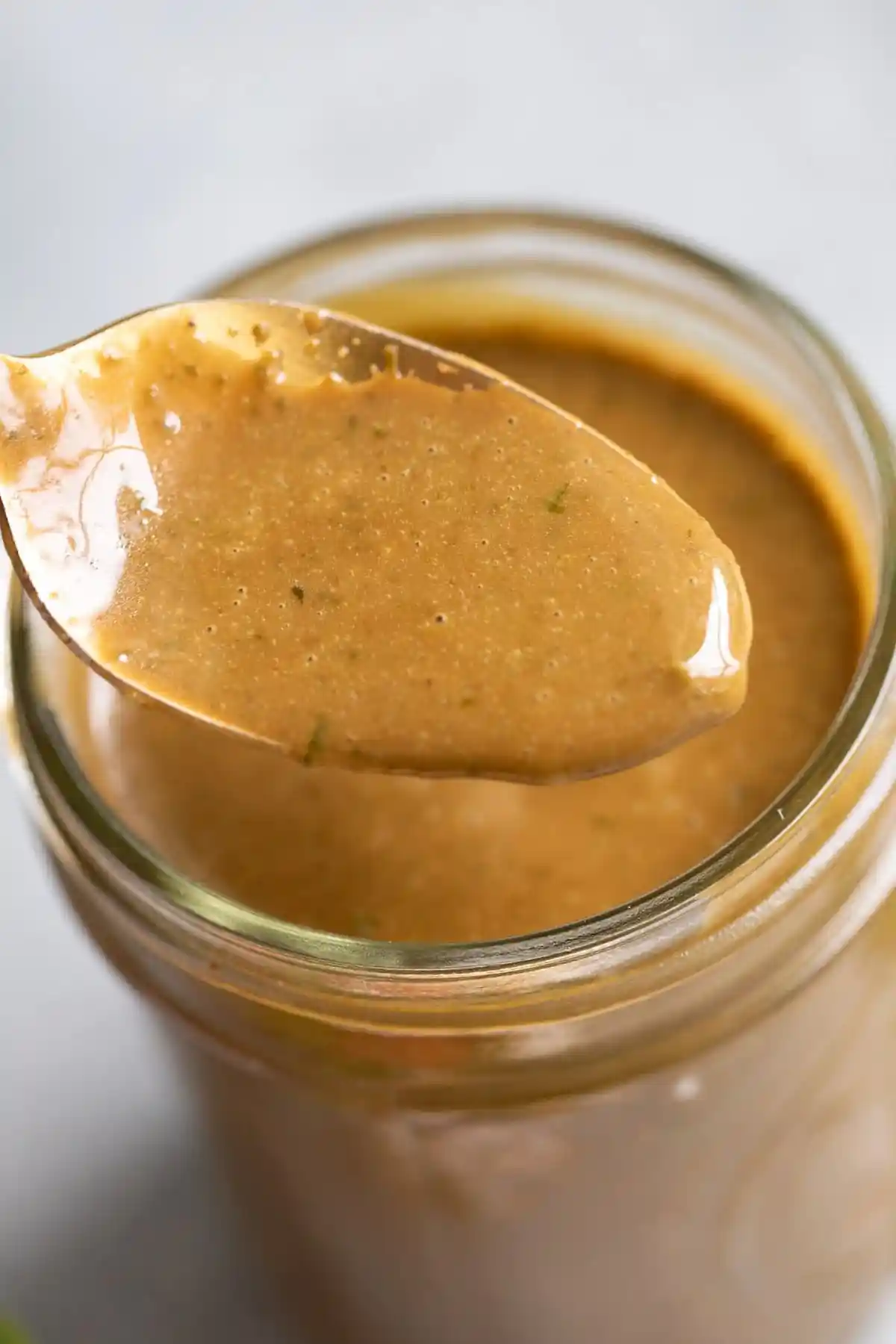
Discover the perfect balance of tang, sweetness, and creaminess with this simple homemade dressing that requires no dairy or mayonnaise. By harnessing the power of high-speed blending and fresh aromatic herbs, you can create a velvety, restaurant-quality vinaigrette in under five minutes. This versatile staple is designed to elevate everything from crisp garden salads to savory protein marinades.
List of ingredients
- 1/4 cup olive oil
- 1/4 cup balsamic vinegar
- 1/2 cup fresh basil (or 1/2 teaspoon dried basil)
- 1 teaspoon honey
- 1/4 teaspoon salt
- 1/4 teaspoon black pepper
step-by-step instructions
- Step: In a blender or food processor, blend all ingredients until smooth.
- Step: Serve over a salad or enjoy as a marinade.
Practical Preparation Techniques
Achieving Texture Through High-Speed Blending
The secret to achieving a creamy consistency without adding mayonnaise or dairy lies entirely in the mechanical action of the blender. As you process the oil and vinegar together at a high speed, the blades force these typically immiscible liquids to collide, creating a stable emulsion. The cellular structure of the fresh basil leaves acts as a natural binding agent, which further stabilizes the dressing and creates that signature velvet-like texture. Ensure your blender container is completely dry before beginning to prevent any residual moisture from disrupting the initial emulsification process.
Selecting and Measuring Your Ingredients
Quality ingredients dictate the final outcome of a simple vinaigrette because there are no complex flavors to hide behind. Use an extra virgin olive oil that you enjoy the taste of on its own, as its flavor will be prominent in every bite. When measuring the balsamic vinegar, look for a standard variety with a balanced sweet and tart profile. If you decide to measure the basil, ensure the leaves are pressed firmly into the measuring cup to reach the full half-cup volume, which guarantees the intended herbaceous punch.
Substitutions and Flavor Customizations
Modifying the Sweetening Component
If you prefer not to use honey, maple syrup provides an excellent alternative that maintains the viscosity of the dressing while adding a slightly woody undertone. You could also use agave nectar, which has a neutral flavor profile that keeps the focus entirely on the balsamic and basil combination. Start with half the recommended amount if you are worried about the sweetness level, and taste the dressing before adding the full teaspoon. The sweetener is essential for taming the sharp acidity of the vinegar, so omitting it entirely will result in a much harsher bite.
Exploring Herb and Spice Variations
While basil is the defining characteristic of this recipe, you can experiment with other soft herbs for different applications. Italian flat-leaf parsley adds a fresh, clean brightness that works beautifully with hearty pasta dishes, whereas fresh oregano contributes a more savory, Mediterranean character. If you want to increase the heat, consider adding a pinch of red pepper flakes or a small amount of finely minced shallot. Garlic powder is another effective addition, providing a savory depth without the pungent sharpness of raw minced garlic, which can sometimes overpower the delicate balsamic notes.
Culinary Applications and Serving Ideas
Building the Ultimate Green Salad
This dressing is remarkably versatile when applied to different salad greens. Its slight sweetness makes it a perfect pairing for peppery greens like arugula or watercress, as it balances their natural spicy bite. For a more sophisticated salad, pair it with baby spinach, sliced strawberries, and toasted walnuts, where the balsamic notes highlight the sweetness of the fruit. Because it is emulsified, the dressing coats each leaf evenly, ensuring every mouthful is perfectly seasoned without pooling at the bottom of the bowl.
Using the Dressing as a Marinade
Beyond salads, this recipe functions as a highly effective marinade for lean proteins and vegetables. The acidity in the balsamic vinegar helps to tenderize chicken breasts, while the olive oil prevents the meat from drying out during the cooking process. Marinate chicken in a sealed bag for at least one hour in the refrigerator, or up to four hours for maximum flavor penetration. You can also brush this mixture onto portobello mushrooms or zucchini rounds before grilling to create a deeply flavorful, charred vegetable dish that stands perfectly on its own.
Storage and Stability
Handling Separation in the Fridge
Because this dressing relies on a physical emulsion rather than chemical stabilizers, it is completely normal for the oil and vinegar to begin separating after resting for several hours. This does not indicate that the dressing has spoiled; it is simply a reflection of the natural ingredients. To restore the creamy texture, firmly tighten the lid of your storage container and shake the jar vigorously for fifteen seconds. If the dressing is very cold, the olive oil may solidify slightly; simply let the jar sit at room temperature for five minutes before shaking, and it will return to a pourable state.
Maximizing Freshness and Shelf Life
To keep the dressing at its peak quality, always store it in an airtight glass container, such as a small mason jar or a narrow carafe. Glass is preferable to plastic because it does not retain the strong aromas of balsamic or basil, ensuring that your next batch remains untainted. When stored properly in the coldest part of your refrigerator, the dressing will remain fresh and safe for five to seven days. If the dressing develops a cloudy appearance or an off odor, it is time to discard it and prepare a fresh batch.
Frequently Asked Questions
Why does my dressing taste too acidic?
If you find the dressing tastes overly sharp, it is likely that the balsamic vinegar you are using has a higher acid concentration than average. You can counteract this by adding an extra half-teaspoon of honey or maple syrup to help mellow the flavor. Alternatively, adding a splash of water or a bit more olive oil will dilute the acid intensity. Always taste the dressing after adding adjustments, as the flavors need a moment to re-balance after stirring.
Can I make this recipe in a standard blender?
Yes, a standard blender works perfectly fine for this recipe as long as you are making a full batch. If you find that the blades are struggling to catch the ingredients because the volume is small, simply double the recipe. A larger volume allows the blades to create the vortex necessary for proper emulsification. If your blender is very large, consider using the pulse setting repeatedly to ensure the basil is finely chopped before switching to a continuous blend to achieve the final creamy texture.
Does the type of basil matter for this recipe?
Sweet Genovese basil is the gold standard for this recipe, offering a classic flavor profile that bridges the gap between the savory balsamic and the rich olive oil. If you have access to Thai basil, be aware that it has a slightly spicier, anise-like undertone that will significantly change the flavor of the final dressing. Stick to standard sweet basil for the most reliable results, and always ensure your leaves are bright green without any dark or wilted spots, as bad leaves can introduce a bitter, off-putting flavor to the entire batch.
Is it possible to use roasted garlic in this dressing?
Adding a single clove of roasted garlic can add a luxurious, mellow depth to the dressing that pairs wonderfully with the sweetness of the balsamic vinegar. To do this, simply drop the soft, roasted clove into the blender along with the other ingredients. Roasted garlic blends easily and will contribute to a thicker, richer texture compared to using raw garlic. However, keep in mind that this addition will slightly shorten the shelf life of the dressing due to the moisture content of the garlic, so aim to consume it within three days if you add it.
Print
Creamy Balsamic Dressing (No Mayo!)
- Total Time: PT5M
- Yield: 8 servings 1x
- Diet: Vegetarian
Description
This Creamy Balsamic Dressing Recipe is so delicious! Made without mayonnaise, it is easy to prepare and perfect for dressing any salad or using as a marinade.
Ingredients
- 1/4 cup olive oil
- 1/4 cup balsamic vinegar
- 1/2 cup fresh basil (or 1/2 teaspoon dried basil)
- 1 teaspoon honey
- 1/4 teaspoon salt
- 1/4 teaspoon black pepper
Instructions
- Step: In a blender or food processor, blend all ingredients until smooth.
- Step: Serve over a salad or enjoy as a marinade.
Notes
Store in the refrigerator in an airtight container for 5-7 days. If the dressing separates or solidifies, simply shake vigorously or let it sit at room temperature for a few minutes before serving.
- Prep Time: PT5M
- Cook Time: PT0M
- Category: Main Course
- Method: Blending
- Cuisine: American
Nutrition
- Serving Size: 2 tablespoons
- Calories: 70 kcal
- Sugar: 2 g
- Sodium: 75 mg
- Fat: 7 g
- Saturated Fat: 1 g
- Unsaturated Fat: 6 g
- Trans Fat: 0 g
- Carbohydrates: 2 g
- Fiber: 1 g
- Protein: 1 g
- Cholesterol: 0 mg