
This slow cooker lasagna is a convenient way to prepare a hearty Italian-style meal with minimal effort. It is designed for hands-off cooking, making it an ideal choice for busy weeknights or meal prepping for the week.
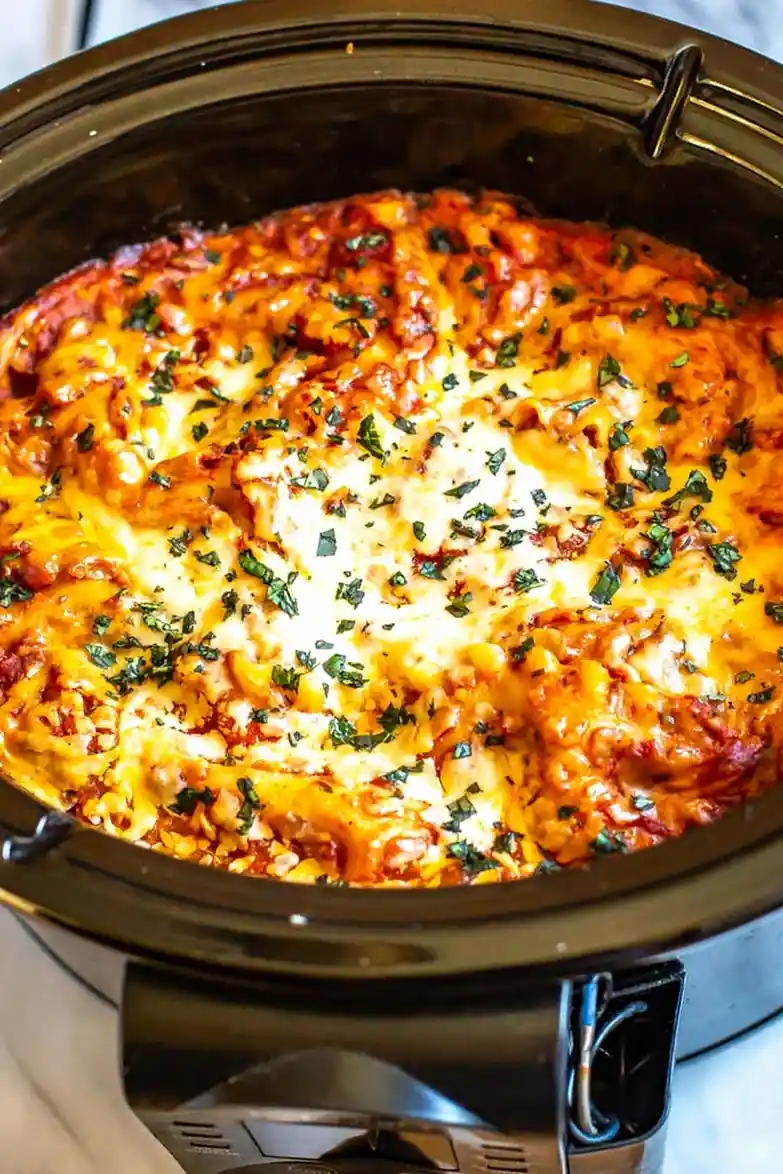
List of ingredients
- Cooking spray – used to prevent the lasagna from sticking to the pot.
- 1 lb extra-lean ground beef – provides a lean protein base for the meat sauce.
- 1 yellow onion, diced – adds a foundational savory sweetness.
- 2 cloves garlic, minced – enhances the aromatic flavor of the sauce.
- 1/2 tsp salt – used for seasoning the beef.
- 1/2 tsp pepper – adds a subtle heat to the meat.
- 2 (650mL) jars tomato sauce – such as a sweet basil marinara for rich flavor.
- 1 lb lasagna noodles, uncooked – either standard or oven-ready varieties work.
- 1 (475g) tub ricotta cheese – creates the creamy internal layers.
- 2 cups mozzarella cheese – used for melting and binding the layers.
- 1/2 cup water – prevents the noodles from drying out during slow cooking.
- Chopped fresh basil or parsley – for a fresh final garnish.
step-by-step instructions
- Brown the meat: Heat a large frying pan over medium-high heat and cook the ground beef until it is almost cooked through.
- Prepare the meat sauce: Stir in the diced onions, minced garlic, salt, pepper, and one jar of tomato sauce; mix well and simmer briefly.
- Prepare the slow cooker: Lightly coat the interior of your slow cooker with cooking spray to ensure easy removal.
- Create the first layer: Spread a small amount of the meat sauce at the bottom of the pot to prevent the noodles from sticking.
- Layer the ingredients: Place uncooked lasagna noodles on top of the sauce, breaking them into pieces if necessary to fit the shape of the pot.
- Add cheeses and sauce: Spread a layer of ricotta cheese and mozzarella cheese over the noodles, followed by more meat sauce.
- Repeat layers: Continue the layering process of noodles, ricotta, mozzarella, and meat sauce until the pot is full, typically resulting in three layers.
- Finish the top: Pour the second jar of tomato sauce over the final layer and top with the remaining mozzarella cheese.
- Add liquid: Carefully pour 1/2 cup of water down the inner sides of the slow cooker.
- Cook the lasagna: Set the slow cooker to high for 3 hours or to low for 6 hours.
- Garnish and serve: Sprinkle with fresh basil or parsley before slicing and serving.
Pro Tips for Better Texture
Grease the Pot Thoroughly
Applying a generous layer of cooking spray to the sides and bottom of the slow cooker is essential. This prevents the cheese and sauce from baking onto the walls, making the cleanup much easier.
Balance Your Layers
Ensure that the meat sauce and cheeses are spread evenly across each layer. This prevents some bites from being too dry and others from being overly liquid.
Allow the Dish to Rest
Let the lasagna sit for 15 to 20 minutes after the timer goes off. This resting period allows the layers to firm up, ensuring clean slices instead of a collapsed pile.
Ingredient Substitutions and Swaps
Switching the Protein
You can replace the extra-lean ground beef with ground turkey or ground chicken for a leaner option. Beef or turkey sausage also works well to add a more complex, seasoned flavor profile.
Alternative Onion Choices
If you do not have a yellow onion, white onions or shallots are excellent substitutes. Shallots provide a slightly milder and more sophisticated taste to the sauce.
Using Cottage Cheese
Cottage cheese can be used instead of ricotta if you prefer a different texture. While the flavor is similar, cottage cheese will make the layers slightly more moist and less dense.
Adding Extra Hard Cheeses
For a sharper taste, mix some grated Parmesan or Pecorino Romano into the mozzarella. This adds a salty, nutty dimension that complements the sweet basil marinara.
Adding Vegetables for Nutrition
Incorporating Fresh Spinach
Fresh baby spinach can be layered with the ricotta cheese for added nutrients. It wilts down during the slow cooking process and blends seamlessly into the creamy layer.
Adding Sliced Mushrooms
Sauté sliced mushrooms with the beef and onions before adding the sauce. This adds an earthy depth and a meatier texture to the overall dish.
Including Diced Zucchini
Small cubes of zucchini can be mixed into the meat sauce. They absorb the flavors of the garlic and tomato while adding a subtle vegetable crunch.
Using Broccoli Florets
Finely chopped broccoli florets can be tucked between the noodle and cheese layers. This is a great way to add color and vitamins to a comfort food classic.
Customizing the Flavor Profile
Increasing the Heat
To add a spicy kick, use a spicy marinara sauce or stir in a pinch of red chili flakes. This balances the richness of the cheeses with a sharp, peppery heat.
Trying Different Marinara Styles
While sweet basil is classic, a roasted garlic or creamy tomato sauce can change the mood of the dish. Always choose a sauce that complements the richness of the ricotta.
Enhancing the Herb Mix
Beyond the garnish, you can add dried oregano or thyme to the meat while browning. This creates a more traditional Italian herb profile throughout the meat sauce.
Serving Suggestions
Pairing with Garlic Bread
Serve the lasagna with toasted garlic bread or a crusty baguette. The crunch of the bread provides a great contrast to the soft, slow-cooked texture of the pasta.
Fresh Green Salads
A crisp Caesar salad or a simple garden salad with a vinaigrette helps cut through the richness. The acidity of the dressing refreshes the palate between bites.
Roasted Vegetable Sides
Roasted carrots or steamed green beans make this a complete meal. These sides add a lightness that balances the heavy cheese and pasta components.
Storage and Preservation
Refrigeration Guidelines
Store any leftover lasagna in airtight glass containers in the refrigerator. It will remain fresh and safe to eat for up to 5 days.
Freezing Uncooked Lasagna
You can assemble the layers in a freezer-safe dish and freeze it before cooking. When ready, thaw it in the fridge overnight before placing it in the slow cooker.
Freezing Cooked Portions
Cooked lasagna squares can be frozen individually in foil or plastic wrap. This makes for an easy, high-protein lunch that can be quickly reheated.
Thawing Procedures
Always thaw frozen lasagna in the refrigerator for 24 hours before reheating. This ensures the center heats evenly without the edges becoming overcooked.
Reheating Methods
Using the Microwave
Place a slice on a microwave-safe plate and sprinkle a teaspoon of water on top. Heat for 2 to 3 minutes to keep the noodles from drying out.
Oven Reheating
For larger portions, place the lasagna in a baking dish covered with foil. Heat at 350°F for about 20 minutes until the cheese is bubbly and the center is hot.
Slow Cooker Reheating
You can return leftovers to the slow cooker on a low setting with a splash of water. This is the best method for maintaining the original moisture levels.
Make-Ahead Advice
Overnight Assembly
Assemble the entire lasagna the night before and keep it refrigerated. In the morning, simply slide it into the slow cooker and start the timer for a ready-to-eat dinner.
Pre-Cooking the Meat
Brown the beef and prepare the meat sauce a few days in advance. Store the sauce in the fridge to reduce the prep time on the day of assembly.
Recommended Equipment
Slow Cooker Size
A 6-quart or 7-quart oval slow cooker is typically best for this recipe. This size allows for the three necessary layers without overflowing the pot.
Browning Pan
A large stainless steel or cast-iron skillet is ideal for browning the beef. These materials distribute heat evenly, ensuring the meat sears properly before adding the sauce.
Glass Storage Containers
Use glass containers for leftovers to avoid stains from the tomato sauce. Glass also reheats more evenly in the microwave than plastic alternatives.
Common Mistakes to Avoid
Overfilling the Pot
Do not fill the slow cooker to the very brim with ingredients. Leave about an inch of space at the top to prevent the sauce from bubbling over during the cook cycle.
Skipping the Resting Period
Cutting into the lasagna immediately after cooking often results in the layers sliding apart. Be patient and wait 20 minutes for the structure to set.
Using Too Much Water
Adding more than 1/2 cup of water can make the lasagna soupy. Stick to the measurement to ensure the noodles cook without thinning the sauce too much.
Under-layering the Sauce
Ensure there is sauce at the very bottom and between every noodle layer. This provides the necessary moisture for uncooked noodles to soften properly.
Troubleshooting and FAQs
Should you cook it on high or low?
Both options work depending on your schedule. Use the high setting for 3 hours if you are in a hurry, or the low setting for 6 hours for a more tender result.
Why do you need to add water?
The water creates steam inside the sealed environment of the slow cooker. This steam is what cooks the uncooked lasagna noodles and prevents them from sticking to the sides.
How many layers should you have?
Aim for about three layers of noodles, cheese, and sauce. Depending on the depth of your pot, you may have slightly more or less, but three is the standard for balance.
What if the noodles are still hard?
This usually happens if there wasn’t enough sauce or water. You can add a small amount of warm water to the edges and cook for an additional 30 minutes.
Can I use no-boil noodles?
Yes, oven-ready or no-boil noodles are perfectly suitable. They are designed to absorb liquid from the sauce, making them ideal for slow cooker recipes.
Print
Slow Cooker Lasagna Made Easy
- Total Time: 4 hours 30 minutes
- Yield: 8 servings 1x
- Diet: General
Description
This is the Easiest Ever Crockpot Lasagna Recipe – it cooks hands-off all day and is super easy to assemble. Plus, it freezes well!
Ingredients
- Cooking spray
- 1 lb extra-lean ground beef
- 1 yellow onion, diced
- 2 cloves garlic, minced
- 1/2 tsp salt
- 1/2 tsp pepper
- 2 (650mL) jars tomato sauce
- 1 lb lasagna noodles (uncooked)
- 1 (475g) tub ricotta cheese
- 2 cups mozzarella cheese
- 1/2 cup water
- Chopped fresh basil or parsley, for garnish
Instructions
- Brown beef: In a large frying pan, brown the ground beef over med-high heat. When beef is almost cooked through, add onions, garlic, salt & pepper and 1 jar of tomato sauce, then stir to combine.
- Layer lasagna: Spray slow cooker with cooking spray, then layer in a bit of meat sauce. Add the uncooked lasagna noodles (you may need to break some into pieces to make them fit), then add some ricotta and mozzarella cheese, and more of the meat sauce. Repeat until the slow cooker is full – usually 3 layers total.
- Cook: Pour the other jar of tomato sauce overtop of lasagna, then add mozzarella cheese to the top. Pour water in on the sides. Cook on high for 3 hours, or on low for 6 hours.
- Garnish: Garnish lasagna with basil and/or parsley, then serve and enjoy!
Notes
Add in more veggies like spinach, mushrooms or zucchini. Assemble ahead of time and store it in the fridge overnight. Store the leftovers in the fridge for 5 days. Reheat in the microwave for 2-3 mins or in the oven for 20 mins at 350 F. Freeze for up to 3 months cooked or uncooked. Thaw in the fridge then reheat or cook as normal.
- Prep Time: 30 minutes
- Cook Time: 3 hours
- Category: Main Course
- Method: Slow Cooking
- Cuisine: Italian
Nutrition
- Serving Size: 1 slice
- Calories: 470 kcal
- Sugar: 3 g
- Sodium: 264 mg
- Fat: 17 g
- Saturated Fat: 10 g
- Unsaturated Fat: 7 g
- Trans Fat: 0 g
- Carbohydrates: 46 g
- Fiber: 2 g
- Protein: 32 g
- Cholesterol: 84 mg