
This one-pan meal combines savory ground chicken with crunchy cabbage in a rich, creamy peanut sauce. It is a fast, nutrient-dense dinner that comes together in about 30 minutes and is ideal for busy weeknights.

List of ingredients
- 3 Tbsp. neutral oil, such as avocado oil, divided – used for searing and sautéing.
- 1 lb. ground chicken – the primary lean protein.
- 16 oz. coleslaw cabbage mix – provides the bulk and crunch.
- 2 medium carrots, grated – adds sweetness and color.
- 2-3 green onions, sliced – for a fresh, pungent finish.
- ½ cup chopped cilantro, plus more for serving – adds herbal brightness.
- Kosher salt and fresh black pepper – for essential seasoning.
- Hot chili sauce, for serving – optional for added heat.
- ¼ cup creamy peanut butter – the base for the rich sauce.
- ¼ cup soy sauce (use tamari for gluten free) – provides salty umami flavor.
- 3 cloves garlic, minced – for aromatic depth.
- 2 Tbsp. honey – balances the salt with sweetness.
- 1 Tbsp. freshly grated ginger – adds a zesty, warm note.
- 1 Tbsp. rice vinegar – provides a necessary acidic tang.
- 1 tsp. sesame oil – adds a toasted, nutty aroma.
step-by-step instructions
- Prepare the sauce: Whisk together the peanut butter, soy sauce, minced garlic, honey, grated ginger, rice vinegar, and sesame oil in a small bowl. Set this mixture aside until the proteins and vegetables are cooked.
- Brown the chicken: Heat 2 tablespoons of neutral oil in a large non-stick skillet over medium-high heat. Add the ground chicken and cook until it is no longer pink, breaking the meat apart with a spoon to ensure even cooking. Transfer the cooked chicken to a bowl using a slotted spoon, drain the excess juices from the pan, and wipe the skillet clean.
- Sauté the vegetables: Add the remaining 1 tablespoon of oil to the skillet. Once hot, add the coleslaw mix and grated carrots, cooking for 3-4 minutes while stirring constantly. Maintain the heat so the vegetables become tender-crisp without becoming mushy or burning.
- Combine and simmer: Return the cooked chicken to the skillet and pour in the prepared peanut sauce. Season the mixture with salt and pepper to taste. Cook for a few minutes, stirring frequently, until the sauce thickens slightly and everything is heated through.
- Final touch: Stir in the sliced green onions and chopped cilantro. Serve the dish immediately, topping each portion with additional fresh cilantro, a drizzle of hot chili sauce, and a squeeze of fresh lime juice.
Cooking Techniques for Best Results
Control Heat to Keep Cabbage Crisp
The key to a successful stir-fry is maintaining a high temperature to sear the vegetables quickly. If the skillet is too cool, the cabbage will release its moisture and steam, resulting in a soggy texture. Stir constantly to ensure the heat is distributed evenly and the vegetables stay vibrant.
Browning Chicken for Maximum Flavor
Allow the ground chicken to sit undisturbed for a minute before breaking it up to create a better sear. This process, known as the Maillard reaction, develops deeper flavors in the meat. Using a slotted spoon to remove the chicken prevents excess fat from interfering with the vegetable sauté.
Preparing Homemade Coleslaw Mix
If you do not have pre-shredded mix, slice a small head of green cabbage thinly. Cut the cabbage in half through the core and slice across the grain into thin ribbons. Mix these ribbons with grated carrots to replicate the store-bought blend for a fresher taste.
Deglazing and Cleaning the Pan
Wiping the pan after browning the chicken is important to remove burnt bits or excess grease that could make the vegetables oily. This ensures the cabbage is sautéed in fresh oil, allowing it to brown slightly rather than fry in chicken fat.
Ingredient Substitutions
Using Different Protein Options
While ground chicken is standard, ground turkey is an excellent lean alternative that tastes very similar. For a plant-based version, use crumbled extra-firm tofu or tempeh. Adjust the cooking time for tofu, as it does not need to be cooked until “no longer pink” but rather browned for texture.
Using Different Cabbage Varieties
Napa cabbage can be used for a softer, sweeter flavor and a more delicate texture. Red cabbage adds a striking color and a slightly earthier taste, though it takes slightly longer to soften than green cabbage. A mix of both colors provides a visually appealing dish.
Alternative Sweeteners for the Sauce
If honey is not available, maple syrup or agave nectar work well as direct replacements. These alternatives maintain the viscosity of the sauce while providing the necessary sweetness to balance the soy sauce and vinegar.
Adapting for Gluten-Free Diets
To make this recipe gluten-free, replace the soy sauce with tamari or coconut aminos. Tamari offers a similar salty profile, while coconut aminos are slightly sweeter and lower in sodium. Ensure the peanut butter is also certified gluten-free if necessary.
Flavor Enhancements and Add-ons
Increasing the Heat Level
For those who prefer a spicier meal, add a teaspoon of Sriracha or red pepper flakes directly into the sauce. You can also increase the amount of fresh ginger or add sliced Thai bird’s eye chilies during the vegetable sauté step for a more intense heat.
Enhancing the Nutty Profile
Add a handful of toasted peanuts or cashews just before serving to introduce a contrasting crunch. Toasting the nuts in a dry pan for 2-3 minutes enhances their natural oils and flavor, making the peanut sauce taste even richer.
Adding Umami with Mushrooms
Thinly sliced shiitake or button mushrooms can be added along with the carrots. Sauté them until they release their moisture and brown slightly. This adds a meaty texture and an extra layer of savory umami to the skillet.
Balancing Flavors with Fresh Lime
The addition of fresh lime juice at the end is not just for decoration. The acidity cuts through the richness of the peanut butter and sesame oil, brightening the overall flavor profile and making the dish taste lighter.
Nutritional Boosts
Integrating Leafy Greens
Add a handful of chopped kale or baby spinach during the last two minutes of cooking. These greens wilt quickly and blend seamlessly into the cabbage mix. This increases the vitamin K and iron content of the meal without altering the taste.
Including Plant-Based Proteins
Shelled edamame is a great addition that complements the Thai flavor profile. Stir in frozen or thawed edamame when adding the chicken back to the pan. This adds more plant-based protein and a pop of bright green color.
Adding Sliced Bell Peppers
Thinly sliced red or yellow bell peppers add vitamin C and a sweet, crisp element. Add them to the pan at the same time as the cabbage. They provide a colorful contrast to the green cabbage and orange carrots.
Incorporating Grated Root Vegetables
Grated parsnips or turnips can be used alongside the carrots for a more complex root vegetable flavor. These additions provide extra fiber and a subtle sweetness that pairs well with the honey-peanut sauce.
Serving and Pairing Suggestions
Complementary Side Dishes
Pair this skillet with a refreshing cucumber salad made with rice vinegar, sesame oil, and a pinch of sugar. The cool, crisp nature of the cucumber balances the warm, savory notes of the peanut chicken.
Grain Pairing Suggestions
While this dish is satisfying on its own, it pairs perfectly over a bed of steamed brown rice or quinoa. For a low-carb option, serve it over cauliflower rice or shredded lettuce to keep the meal light.
Garnishing for Visual Appeal
Use a combination of fresh cilantro sprigs, thinly sliced red chilies, and a sprinkle of toasted sesame seeds. A final drizzle of reserved peanut sauce over the top creates a professional, restaurant-style presentation.
Serving as Lettuce Wraps
Spoon the chicken and cabbage mixture into large butter lettuce or romaine leaves. This transforms the skillet into a series of handheld wraps, making it a great option for appetizers or a lighter lunch.
Storage and Preservation
Proper Refrigeration Techniques
Store leftovers in an airtight glass or plastic container in the refrigerator. Ensure the dish is cooled slightly before sealing the lid to prevent excessive condensation, which can make the cabbage overly soft.
Storing the Sauce Separately for Meal Prep
If preparing this for the week, store the cooked chicken and vegetables in one container and the peanut sauce in a separate small jar. Toss them together just before reheating to preserve the crunch of the cabbage.
The Risks of Freezing Cabbage Dishes
Freezing is not recommended for this recipe because cabbage has a high water content. Upon thawing, the cell walls of the vegetables break down, leading to a mushy, wilted texture and an unappealing consistency.
Best Practices for Reheating
For the best results, reheat the dish in a skillet over low to medium heat, stirring occasionally. If using a microwave, heat in 1-minute intervals and stir in between to ensure the sauce is evenly distributed and not overheated in spots.
Troubleshooting and FAQs
Why is my cabbage watery?
Wateriness usually occurs if the pan is overcrowded or the heat is too low, causing the cabbage to steam rather than sauté. To avoid this, cook the vegetables in batches if your skillet is small and keep the heat on medium-high.
How to fix a sauce that is too thick?
If the peanut sauce becomes too thick after heating, stir in a tablespoon of water, rice vinegar, or lime juice. This will thin the sauce to a glaze-like consistency without compromising the flavor.
What to do if the garlic burns?
Garlic burns quickly and can taste bitter. If this happens, it is best to wipe the pan and start the sauce base over. To prevent this, ensure the garlic is minced finely and added to the sauce whisk rather than fried alone in the pan.
Can I use a different type of peanut butter?
Natural peanut butter (which separates) works well but may require more whisking to get a smooth sauce. Creamy commercial peanut butter provides a more consistent, stable emulsion for the sauce.
Print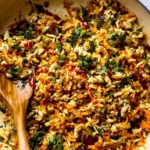
Thai-Inspired Ground Chicken and Cabbage Skillet
- Total Time: 30 minutes
- Yield: 6 servings 1x
- Diet: Dairy Free
Description
Easy 20-minute chicken and cabbage skillet with ground chicken, coleslaw mix, carrots, and the most delicious peanut sauce.
Ingredients
- 3 Tbsp. neutral oil, such as avocado oil, divided
- 1 lb. ground chicken
- 16 oz. coleslaw cabbage mix
- 2 medium carrots, grated
- 2–3 green onions, sliced
- ½ cup chopped cilantro, plus more for serving
- Kosher salt and fresh black pepper
- Hot chili sauce, for serving
- ¼ cup creamy peanut butter
- ¼ cup soy sauce (or tamari)
- 3 cloves garlic, minced
- 2 Tbsp. honey
- 1 Tbsp. freshly grated ginger
- 1 Tbsp. rice vinegar
- 1 tsp. sesame oil
Instructions
- Step: Whisk together the sauce ingredients in a small bowl. Set aside.
- Step: In a large non-stick skillet, heat 2 tablespoons of oil over medium-high heat. When hot, add ground chicken and cook until no longer pink, breaking up the meat with a spoon. Transfer to a bowl with a slotted spoon. Drain juices from pan and wipe clean.
- Step: Add remaining 2 tablespoons of oil. When hot, add coleslaw mix and carrots and cook until tender-crisp, stirring constantly, about 3-4 minutes. If veggies begin to burn, reduce the heat.
- Step: Add chicken and sauce. Season with salt and pepper to taste. Cook for few minutes until heated through.
- Step: Stir in green onions and cilantro. Serve topped with more cilantro and hot chili sauce.
Notes
Leftover chicken with cabbage will keep refrigerated for up to 3-4 days in an airtight container. Do not freeze as it will become mushy and wilted once thawed.
- Prep Time: 10 minutes
- Cook Time: 20 minutes
- Category: Main
- Method: Stir-fry
- Cuisine: Thai
Nutrition
- Serving Size: 1 serving
- Calories: 309 kcal
- Sugar: 12.1 g
- Sodium: 415.1 mg
- Fat: 19.6 g
- Saturated Fat: 4.2 g
- Unsaturated Fat: 15.4 g
- Trans Fat: 0 g
- Carbohydrates: 19.1 g
- Fiber: 3.1 g
- Protein: 17.8 g
- Cholesterol: 64.2 mg