
This creamy Thai-inspired soup is a convenient dump-and-go meal perfect for cold weather. It blends the warmth of winter squash and wild rice with zesty red curry and coconut milk.

List of ingredients
- 6 boneless skinless chicken thighs – provides a rich and tender base
- 4 carrots – chopped into bite-sized pieces
- 4 cups butternut squash – peeled, seeds removed, and cut into 1 inch cubes
- 2 onions – diced finely
- 2 tablespoons fresh ginger – finely chopped or grated for zing
- 3 tablespoons Thai red curry paste – the primary flavor driver
- 3 tablespoons brown sugar – balances the spice and salt
- 3 tablespoons fish sauce – adds essential savory umami
- 2/3 cup brown basmati wild rice blend – or 100% wild rice for texture
- 4 cups chicken stock – provides the liquid base
- 27 oz coconut milk – two 400 mL cans for creaminess
- 1 tablespoon lime juice – added at the end for brightness
step-by-step instructions
- Combine ingredients: Place the chicken thighs, carrots, squash, onions, ginger, curry paste, brown sugar, fish sauce, wild rice, and chicken stock into a 6-quart slow cooker.
- Slow cook: Cover the pot and cook on low for 6 hours or on high for 4 hours until the chicken and vegetables are tender.
- Finish with cream: Stir in the coconut milk and lime juice, then cook for another 10 minutes to ensure everything is well combined and heated through.
- Shred the chicken: Remove the chicken thighs briefly or use two forks directly in the pot to shred the meat into bite-sized pieces.
- Serve: Ladle the soup into bowls and serve with fresh lime wedges and cilantro if desired.
Optimal Ingredient Selection
Opt for Bone-in Thighs for More Flavor
While the recipe calls for boneless thighs, bone-in chicken thighs provide a deeper flavor profile and more natural gelatin. This results in a slightly thicker broth and more succulent meat. Keep the cooking time the same regardless of the bone.
Use Full-Fat Coconut Milk for Texture
Full-fat coconut milk is essential for achieving a rich, velvety consistency. Light coconut milk can result in a thinner soup that lacks the characteristic creaminess of traditional Thai curries. It provides the necessary fat to balance the heat of the curry paste.
Select a High-Quality Red Curry Paste
The quality of your curry paste significantly impacts the final taste. Brands like Thai Kitchen or Mae Ploy are recommended for their authentic flavor profiles. Be aware that spice levels vary by brand, so you may want to taste a small amount first.
Pick the Right Winter Squash
Butternut squash is the ideal choice for its subtle sweetness and smooth texture. If you cannot find it, kabocha or honeynut squash are excellent alternatives. Ensure they are peeled and cubed uniformly to ensure even cooking.
Professional Cooking Tips
Stir in Coconut Milk at the End to Prevent Separation
Coconut milk is prone to breaking or separating when subjected to long periods of high heat. By stirring it in during the last ten minutes, you maintain a smooth, stable emulsion. This ensures the soup looks professional and feels luxurious on the palate.
Shred the Chicken Carefully for Even Distribution
Use two forks to pull the chicken apart along the grain directly in the pot. This allows the shredded meat to soak up the curry broth more effectively than cubed chicken. Aim for small, irregular pieces for a more rustic feel.
Balance the Sweetness with Brown Sugar
Brown sugar is used to balance the pungent saltiness of the fish sauce and the heat of the red curry. If you prefer a more savory soup, you can omit the sugar initially. Taste the broth at the end and add the sugar one tablespoon at a time.
Ensure Proper Slow Cooker Capacity
A 6-quart slow cooker is the best fit for this volume of ingredients. Using a smaller pot may lead to overflow or uneven heating of the wild rice. If using a much larger pot, monitor the liquid level to ensure the soup doesn’t reduce too much.
Ingredient Substitutions
Swap Red Curry Paste for Green or Yellow Varieties
Green curry paste offers a brighter, more herbal flavor and is typically spicier than red. Yellow curry is generally milder and contains more turmeric, which will give the soup a golden hue. Both are excellent alternatives depending on your flavor preference.
Replace Butternut Squash with Sweet Potatoes
Sweet potatoes are a wonderful alternative if butternut squash is unavailable. They provide a similar starchiness and natural sweetness that complements the coconut milk. Use the same quantity and cut them into 1-inch cubes.
Use 100% Wild Rice for a Nuttier Texture
While a blend is convenient, 100% wild rice provides a firmer, nuttier texture and a satisfying pop. Be mindful that pure wild rice can take longer to soften. Check the rice tenderness about 30 minutes before the end of the cooking cycle.
Alternative for Fish Sauce
If you don’t have fish sauce, soy sauce is the best substitute for providing salt and umami. While the flavor profile differs slightly, it maintains the depth of the broth. Use an equal measurement to keep the seasoning consistent.
Creative Variations
Add Fresh Garlic and Lemongrass
For a more complex aromatic base, add three minced cloves of garlic and a bruised stalk of lemongrass. These ingredients are staples in Thai cooking and enhance the overall fragrance of the soup. Remove the lemongrass stalk before serving.
Incorporate Extra Vegetables like Baby Spinach
Stirring in a few handfuls of fresh baby spinach at the very end adds vibrant color and nutrition. The residual heat from the soup will wilt the leaves in a matter of minutes. This adds a fresh, earthy contrast to the rich coconut base.
Use Rice Noodles Instead of Wild Rice
If you prefer noodles over grains, omit the wild rice during the slow cooking process. Boil rice noodles separately according to package instructions. Place a portion of cooked noodles in each bowl and ladle the hot soup over them.
Boost the Heat with Sriracha or Chili Flakes
To increase the spice level, stir in a teaspoon of Sriracha or a pinch of red chili flakes. Always add spicy elements incrementally and taste as you go. This allows you to customize the heat without overpowering the ginger and coconut.
Serving Suggestions
Garnish with Fresh Cilantro and Lime Wedges
Fresh cilantro adds a bright, herbal note that cuts through the richness of the coconut milk. A squeeze of fresh lime juice just before eating awakens all the flavors in the pot. This acidity is crucial for a balanced Thai flavor profile.
Serve with Toasted Naan or Crusty Bread
Warm, toasted naan or a piece of crusty sourdough bread is perfect for dipping. This allows you to enjoy every drop of the flavorful curry broth. Brush the bread with a little garlic butter for extra indulgence.
Pair with a Crisp Cucumber Salad
A chilled Thai cucumber salad with rice vinegar and sesame seeds provides a refreshing contrast. The cool, crisp texture of the cucumbers balances the warmth and creaminess of the soup. It makes the meal feel more complete and balanced.
Sprinkle with Toasted Sesame Seeds
A sprinkle of toasted sesame seeds adds a subtle nuttiness and a professional visual finish. Toast the seeds in a dry pan over medium heat for two minutes until fragrant. This simple addition enhances the visual appeal of the dish.
Storage and Preservation
Refrigerate in Airtight Containers
Allow the soup to cool completely before transferring it to an airtight container. It will stay fresh in the refrigerator for up to four days. The flavors often deepen and meld together overnight, making leftovers taste even better.
Freeze Without the Rice for Better Texture
If you plan to freeze the soup, it is best to omit the rice or strain it out. Grains like wild rice can become mushy or overly soft during the freezing and thawing process. You can easily add fresh cooked rice when reheating.
Proper Thawing Methods
Thaw frozen soup slowly in the refrigerator overnight to maintain the best quality. Avoid thawing directly in the microwave, as this can cause the coconut milk to separate. Slow thawing preserves the emulsion and the texture of the vegetables.
Reheating Guide
Reheat on the Stovetop for Even Heating
Reheat the soup in a medium pot over low to medium heat. Stir occasionally to prevent the bottom from scorching. This method allows you to monitor the consistency and adjust the thickness as needed.
Microwave Reheating Instructions
Heat the soup in microwave-safe containers in 1-minute intervals, stirring in between. This prevents hot spots and ensures the chicken and vegetables are heated evenly. Cover the container with a lid to retain moisture.
Adding Liquid to Thin Out the Soup
It is common for slow cooker soups to thicken as they sit in the fridge. Stir in a splash of chicken stock or water during reheating to reach your desired consistency. This restores the original silkiness of the broth.
Make-Ahead Strategies
Prepare as a Frozen Dump Meal
Combine all ingredients except the stock, rice, and coconut milk in a heavy-duty freezer bag. Squeeze out all the air and freeze for up to three months. On cooking day, thaw the bag and add the remaining ingredients to the slow cooker.
Chop Vegetables in Advance
Prepare the carrots, onions, and squash a day ahead and store them in a sealed container. This reduces the active prep time to just a few minutes. It makes the “dump and go” aspect of the recipe even more efficient.
Store the Curry Base Separately
You can mix the curry paste, brown sugar, and fish sauce into a concentrated paste ahead of time. Store this mixture in a small jar in the refrigerator. Simply scoop the paste into the slow cooker when you are ready to start.
Troubleshooting Common Issues
Fixing a Soup That Is Too Spicy
If the soup is too spicy for your taste, add an extra splash of coconut milk or a teaspoon of honey. The fats in the coconut milk help neutralize the capsaicin from the curry paste. This mellows the heat without sacrificing flavor.
Thickening a Thin Broth
To achieve a thicker texture without adding cream, take one cup of the cooked vegetables and blend them into a puree. Stir this puree back into the pot. This natural thickening method enhances the flavor while adding body.
Adjusting for Undercooked Rice
If the rice is still too firm after the recommended time, extend the slow cooking by another 30 to 60 minutes. Ensure the lid remains tightly closed to keep the moisture trapped inside. Check the rice every 20 minutes until tender.
Frequently Asked Questions
Can I make this in an Instant Pot?
Yes, you can adapt this for a pressure cooker. Cook on high pressure for 25 minutes and then perform a quick release. Note that the vegetables may be slightly softer than when using a slow cooker.
Can this recipe be made vegetarian?
Yes, replace the chicken with chickpeas or extra-firm tofu and use vegetable broth instead of chicken stock. Ensure the curry paste is shrimp-free and use soy sauce instead of fish sauce.
Why did my coconut milk separate?
Coconut milk separates when it is boiled or held at a high temperature for too long. To prevent this, always stir it in at the very end of the cooking process and heat only until combined.
What is the best way to shred the chicken?
The best method is using two forks to pull the meat apart along the grain while the chicken is still warm. Doing this directly in the pot allows the shreds to immediately absorb the curry broth.
Print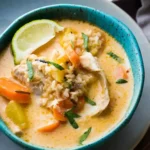
Thai-Style Slow Cooker Chicken and Wild Rice Soup
- Total Time: 4 hours 15 minutes
- Yield: 8–10 servings 1x
- Diet: General
Description
This Thai Slow Cooker Chicken and Wild Rice Soup is a twist on a classic comfort recipe. Tropical, yet cozy, it’s made with butternut squash, Thai red curry paste, and coconut milk!
Ingredients
- 6 boneless skinless chicken thighs
- 4 carrots, chopped
- 4 cups butternut squash, peeled, seeds removed, and cut into 1 inch cubes
- 2 onions, diced
- 2 tablespoons fresh ginger, finely chopped or grated
- 3 tablespoons Thai red curry paste
- 3 tablespoons brown sugar
- 3 tablespoons fish sauce
- 2/3 cup brown basmati wild rice blend
- 4 cups chicken stock
- 27 oz coconut milk
- 1 tablespoon lime juice
Instructions
- Step: Combine all ingredients except the coconut milk in a 6 quart slow cooker.
- Step: Cook on low for 6 hours or high for 4 hours.
- Step: Stir in the coconut milk and lime juice and cook for 10 or so minutes until completely combined.
- Step: Shred chicken with two forks.
- Step: Serve with lime wedges and cilantro (if desired).
Notes
Use full fat coconut milk for the best flavor and texture. For a less sweet curry, omit the brown sugar or stir it in one tablespoon at a time at the end until it reaches your preferred taste.
- Prep Time: 15 minutes
- Cook Time: 4 hours
- Category: Main Course
- Method: Slow Cooking
- Cuisine: Thai
Nutrition
- Serving Size: 1 serving
- Calories: 288 kcal
- Sugar: 8 g
- Sodium: 815 mg
- Fat: 12 g
- Saturated Fat: 9 g
- Unsaturated Fat: 3 g
- Trans Fat: 0 g
- Carbohydrates: 26 g
- Fiber: 3 g
- Protein: 18 g
- Cholesterol: 54 mg