
This Thai-inspired slow cooker soup brings a vibrant, aromatic flair to the standard chicken and wild rice dish. By combining creamy coconut milk with spicy red curry paste and tender root vegetables, this meal offers a perfect balance of comfort and exotic flavor. It is a true set-it-and-forget-it recipe that works beautifully for busy weeknights.

List of ingredients
- 6 boneless skinless chicken thighs
- 4 carrots, chopped
- 4 cups butternut squash, peeled, seeds removed, and cut into 1 inch cubes
- 2 onions, diced
- 2 tablespoons fresh ginger, finely chopped or grated
- 3 tablespoons Thai red curry paste
- 3 tablespoons brown sugar
- 3 tablespoons vegan fish sauce
- 2/3 cup brown basmati wild rice blend
- 4 cups vegetable stock
- 27 oz coconut milk
- 1 tablespoon lime juice
step-by-step instructions
- Combine: Add all ingredients except the coconut milk and lime juice to a 6-quart slow cooker.
- Slow Cook: Cook on low for 6 hours or high for 4 hours.
- Finish: Stir in the coconut milk and lime juice and cook for 10 minutes until completely combined.
- Shred: Shred chicken with two forks before serving.
Refining the Flavor Profile
The hallmark of a great Thai-inspired dish is the careful balancing of four distinct elements: sweet, salty, spicy, and sour. Since individual tastes regarding heat levels vary, you should treat the curry paste and brown sugar as adjustable variables. Start with the suggested quantities, but feel free to taste the broth just before adding the coconut milk to determine if you need to dial back the sugar or add an extra touch of savory fish sauce.
Enhancing Umami without Excess Salt
If you find the broth lacks depth despite using the correct amount of fish sauce, consider adding a teaspoon of pureed lemongrass or an extra teaspoon of ginger. These aromatics provide a perceived complexity that makes the soup taste more robust without simply increasing the sodium levels. Avoid substituting soy sauce for fish sauce if possible, as it significantly alters the final aroma profile of the dish.
Controlling the Heat Level
Thai red curry paste varies in intensity depending on the brand and how fresh the product is. If you are sensitive to spice, begin by adding only two tablespoons of paste initially, then stir in the remaining tablespoon only if you desire more intensity. Remember that the coconut milk will naturally temper the spice, so the soup will taste slightly milder once the final cream is added.
Selecting and Preparing Rice
Using the right type of grain is critical for a slow-cooked soup that maintains its texture. A wild rice blend, which typically includes long-grain brown rice and black wild rice, stands up exceptionally well to the 4 to 6-hour cook time. Avoid using quick-cooking or instant white rice varieties, as these will disintegrate into mushy starch long before the chicken and vegetables are fully tender.
Managing Rice Texture Over Time
If you prefer your rice to have a slightly firmer bite, check the consistency of the grains around the 5-hour mark if using the low setting. Should the rice reach your desired tenderness earlier than the chicken, you can switch the cooker to the warm setting immediately. Keep in mind that the rice will continue to absorb liquid even after the power is turned off, so the soup may thicken significantly if left in the pot for a long period.
Optimal Storage and Preparation
This dish is an excellent candidate for meal prep because the flavors actually improve as they sit in the refrigerator for a day or two. When planning to store this for future meals, ensure the soup has cooled to room temperature before placing it into airtight containers. This prevents condensation from forming, which can dilute the broth and degrade the texture of the vegetables.
Freezing Considerations for Rice Dishes
If you intend to freeze this soup, be aware that rice can sometimes become brittle or overly soft after being thawed and reheated. To mitigate this, consider undercooking the rice slightly during the initial prep phase if you plan on freezing the entire batch. Using a 100% wild rice variety rather than a white or basmati blend also tends to result in a better texture once the soup is brought back to serving temperature.
Safe Reheating Methods
To reheat individual portions, use the microwave on medium power, stirring every 60 seconds to ensure even distribution of the coconut milk fats. Alternatively, you can reheat the soup on the stove over low heat. Be careful not to let the soup reach a rolling boil, as the coconut milk can separate and lose its smooth, emulsified finish when subjected to high, direct heat for too long.
Frequently Asked Questions
Can I swap the butternut squash for other vegetables?
Yes, you can substitute butternut squash with sweet potatoes, acorn squash, or even pumpkin. Keep in mind that sweet potatoes may break down slightly faster than butternut squash, so keep the pieces roughly one inch in size to ensure they hold their shape during the cooking process.
Is it possible to make this soup using a vegetarian protein source?
You can certainly make this a vegetarian dish by swapping the chicken for cubes of extra-firm tofu or hearty chickpeas. If you choose to use tofu, add it during the last hour of cooking to prevent it from becoming too soft. Always verify that your red curry paste does not contain shrimp paste, as many traditional versions do.
Why did my coconut milk look thin or broken?
Coconut milk contains natural fats that can separate when exposed to long periods of high heat in a slow cooker. The best way to maintain a smooth, velvety broth is to follow the instructions and whisk in the coconut milk only at the very end of the cooking cycle, allowing it just enough time to warm through before serving.
How long can I keep the leftovers in the refrigerator?
The soup remains high in quality for up to four days when stored in an airtight container in the refrigerator. After this time, the rice will have absorbed a large amount of the broth, and the vegetables may begin to lose their structural integrity. If the soup appears too thick after refrigeration, simply stir in a splash of water or additional chicken stock during the reheating process to restore the original consistency.
Can I use low-fat coconut milk instead of full-fat?
While you can use light coconut milk, the final soup will have a thinner, less luxurious mouthfeel. The fat in full-fat coconut milk is essential for creating a rich, satisfying base that coats the back of a spoon and carries the spices effectively. If you must use low-fat milk, consider adding a teaspoon of cornstarch mixed with water to thicken the broth slightly after stirring it in.
Print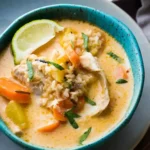
Slow Cooker Thai Chicken and Wild Rice Soup
- Total Time: PT255M
- Yield: 8 servings 1x
- Diet: Gluten-Free
Description
This Thai Slow Cooker Chicken and Wild Rice Soup is a twist on a classic comfort recipe. Tropical, yet cozy, it’s made with butternut squash, Thai red curry paste, and coconut milk!
Ingredients
- 6 boneless skinless chicken thighs
- 4 carrots, chopped
- 4 cups butternut squash, peeled, seeds removed, and cut into 1 inch cubes
- 2 onions, diced
- 2 tablespoons fresh ginger, finely chopped or grated
- 3 tablespoons Thai red curry paste
- 3 tablespoons brown sugar
- 3 tablespoons vegan fish sauce
- 2/3 cup brown basmati wild rice blend
- 4 cups vegetable stock
- 27 oz coconut milk
- 1 tablespoon lime juice
Instructions
- Combine: Add all ingredients except the coconut milk and lime juice to a 6-quart slow cooker.
- Slow Cook: Cook on low for 6 hours or high for 4 hours.
- Finish: Stir in the coconut milk and lime juice and cook for 10 minutes until completely combined.
- Shred: Shred chicken with two forks before serving.
Notes
Use full-fat coconut milk for the best texture. If you prefer a less sweet curry, omit the brown sugar and add it to taste at the end.
- Prep Time: PT15M
- Cook Time: PT240M
- Category: Main Course
- Method: Slow Cooker
- Cuisine: Thai
Nutrition
- Serving Size: 1 serving
- Calories: 288 kcal
- Sugar: 8 g
- Sodium: 815 mg
- Fat: 12 g
- Saturated Fat: 9 g
- Unsaturated Fat: 3 g
- Trans Fat: 0 g
- Carbohydrates: 26 g
- Fiber: 3 g
- Protein: 18 g
- Cholesterol: 54 mg