
Pide is a traditional boat-shaped Turkish flatbread that serves as a versatile base for various savory toppings. This recipe provides a soft, chewy crust and two distinct filling options for a complete meal.
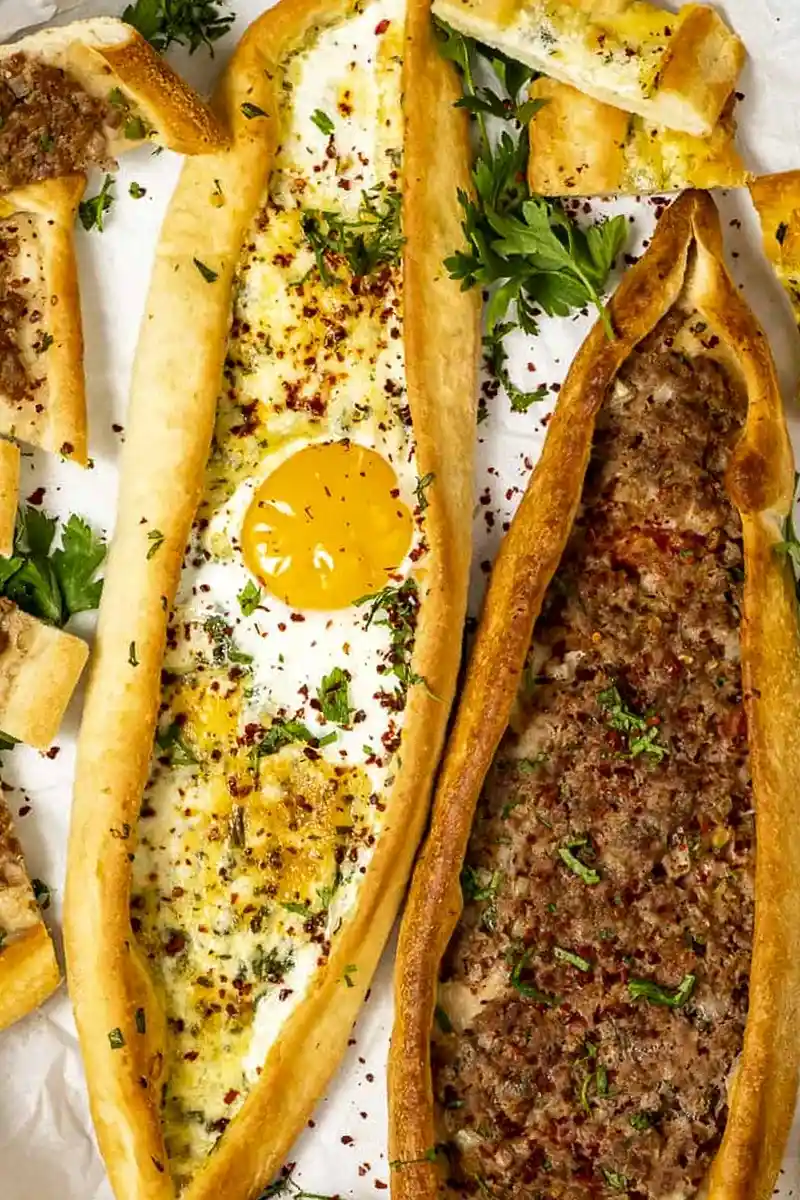
List of ingredients
- 3 cups all purpose flour – base for the dough
- 1 tablespoon instant dry yeast – for leavening and lift
- 1 teaspoon sugar – to feed the yeast and aid browning
- 2 teaspoons salt – for seasoning the dough
- 1 cup lukewarm water – necessary for yeast activation
- 1/4 cup olive oil – added to dough for softness
- 1 tablespoon olive oil – used for brushing the crust edges
- 400 g ground beef (80% lean) or ground lamb – primary meat topping
- 1 large onion, finely chopped – base aromatic for meat filling
- 2 medium tomatoes, finely chopped – adds moisture and acidity to meat
- 1/4 cup parsley, finely chopped – fresh herb for meat topping
- 1/4 cup green peppers, finely chopped – adds mild flavor to meat
- 1 teaspoon salt – for seasoning meat
- 1/2 teaspoon black pepper – for seasoning meat
- 2 tablespoons olive oil – for meat topping moisture
- 1 tablespoon lemon juice – balances the richness of the beef
- 1/2 cup feta cheese or white cheese, crumbled – tangy base for cheese topping
- 1 cup mozzarella, Turkish kasar, or mild cheddar, grated – melty base for cheese topping
- 1/4 cup parsley, chopped – herb for cheese topping
- 1 small egg yolk and half of the egg white – optional topping for richness
- 1 tablespoon parsley, chopped – for final garnish
- 1/2 teaspoon red pepper flakes (pul biber) – for a spicy finish
step-by-step instructions
- Prepare the dough: In a large mixing bowl, whisk together the flour, instant dry yeast, salt, and sugar. Pour in the olive oil and lukewarm water, mixing with a whisk or spatula until a shaggy dough forms.
- Knead the dough: Use your hands to knead the dough for about 6-7 minutes until it is smooth and elastic. If the dough is too sticky, lightly wet your fingers with water to continue kneading.
- First rise: Shape the dough into a ball and place it in a well-oiled bowl. Cover with a kitchen towel and leave in a warm, draft-free area for 1 hour or until the volume has doubled.
- Divide and second rise: Transfer the dough to a floured surface, knead for a few minutes, and shape into a log. Cut into 5 equal pieces, roll each into a ball, cover with a towel, and let rest for 15 minutes.
- Create meat topping: In a bowl, combine the ground beef (or lamb), chopped onion, tomatoes, parsley, green peppers, salt, black pepper, olive oil, and lemon juice. Mix by hand until the ingredients form a consistent paste.
- Create cheese topping: In a separate bowl, mix the crumbled feta and grated mozzarella (or cheddar) with the chopped parsley. Keep the egg yolk and partial white aside for the final baking stage.
- Prepare for baking: Preheat your oven to 465F (240C). Line a baking tray with parchment paper.
- Shape the pides: Roll each dough ball into an oval shape on a floured surface and transfer to the baking tray. Spread the chosen topping (meat or cheese) onto the dough, leaving a 2 cm border around the edges.
- Seal the edges: Fold the edges of the dough inward over the filling, leaving the center open, and pinch the ends tightly to seal the boat shape.
- Optional stretching: Gently stretch the pide from both ends with your hands to make it longer and thinner before placing it back on the tray.
- Final bake: Brush the exposed dough edges with olive oil. Bake for 10-12 minutes. For an egg topping, remove from the oven after 7 minutes, add the egg yolk and half the white to the center, and bake for another 5-6 minutes until set.
- Garnish and serve: Slice the finished pides and sprinkle with fresh parsley and red pepper flakes before serving.
Dough Preparation Guides
Optimal Water Temperature for Yeast
The water must be lukewarm to the touch, typically between 105F and 115F. Water that is too hot will kill the yeast cells, while cold water will prevent them from activating, leading to a flat bread.
Achieving the Right Dough Consistency
Knead the dough until it no longer sticks to your hands and bounces back when lightly pressed. If you use a stand mixer, 3 minutes on medium speed is sufficient to develop the gluten structure needed for the boat shape.
The Function of Sugar in the Crust
Sugar provides an immediate energy source for the yeast, accelerating the rising process. It also assists in the Maillard reaction, resulting in a golden-brown crust during the high-heat baking process.
Using Bread Flour for More Chew
While all-purpose flour works well, bread flour contains more protein, which creates a stronger gluten network. This results in a slightly chewier texture and a more pronounced rise during the second proofing.
Filling Customization and Tips
Balancing the Meat Paste
Ensure the ground beef has a fat content of around 20% to prevent the topping from drying out in the high oven heat. The lemon juice is essential as it cuts through the richness of the meat and brightens the overall flavor profile.
Selecting the Best Cheeses
A combination of a salty, crumbly cheese like feta and a melty cheese like mozzarella provides the best textural contrast. If using cheddar, opt for a mild variety to ensure the salt levels remain balanced.
Adding Vegetable Variations
You can incorporate finely diced spinach or sautéed mushrooms into the cheese filling for added nutrition. Ensure any watery vegetables are squeezed dry first to avoid a soggy crust.
Managing the Egg Topping
Use only the yolk and a small portion of the white to prevent the egg from overflowing the dough boat. The egg should be added during the last few minutes of baking to avoid overcooking the yolk.
Shaping and Baking Techniques
Mastering the Boat Shape
When folding the edges, press the dough firmly into the filling to create a secure seal. Pinching the tips of the oval into points ensures the filling stays contained and creates the traditional pide appearance.
The Stretching Method for Texture
Gently pulling the pide from both ends stretches the gluten and thins the base. This process increases the surface area exposed to heat, resulting in a crispier bottom and a more professional look.
Optimizing Oven Space
Due to the size of the pides, most standard baking trays can only accommodate two at a time. Bake in batches to ensure there is enough airflow around each piece for an even bake.
Visual Cues for Doneness
The pide is ready when the edges are golden brown and the cheese is bubbling or the meat is fully cooked. Avoid overbaking, as the thin crust can transition from crispy to hard very quickly.
Storage and Reheating Advice
Room Temperature Storage
Fresh pide can be kept at room temperature in an airtight container for up to 24 hours. Keep them separated with parchment paper to prevent the crusts from sticking together.
Refrigeration and Shelf Life
Stored in the refrigerator, pide will last for 3 to 4 days. Ensure they are wrapped tightly in foil or placed in a sealed container to prevent the bread from absorbing fridge odors.
Reheating via Stovetop
Place the pide in a pan over medium-low heat with a lid on. This method steams the topping while crisping the bottom, effectively restoring the original texture.
Reheating in the Oven
Preheat the oven to 350F and place the pide directly on the rack or a baking sheet for 5 minutes. This is the best method for maintaining the crispness of the outer crust.
Make-Ahead Strategies
Cold Fermentation Process
After the first rise, you can store the dough in the refrigerator for 1 to 2 days. This slow fermentation develops a deeper flavor and improves the overall structure of the bread.
Prepping Fillings in Advance
Both the meat and cheese mixtures can be prepared 24 hours ahead and stored in the fridge. This allows the flavors in the meat paste to meld and makes the assembly process faster.
Freezing Dough Balls
Once the dough is divided into balls, they can be frozen for up to a month. Thaw them in the refrigerator overnight before allowing them to come to room temperature for the second rise.
Troubleshooting Common Issues
Dealing with Sticky Dough
If the dough is too sticky to handle, avoid adding excessive flour, which can make the bread dense. Instead, lightly grease your hands with olive oil or wet your fingers with water.
Preventing a Soggy Bottom
To avoid a soggy base, ensure your vegetables are finely chopped and not overly watery. Using a preheated baking tray or a pizza stone can also help sear the bottom quickly.
Fixing Under-Risen Dough
If the dough hasn’t doubled after an hour, move the bowl to a warmer spot, such as inside an oven with the light turned on. Ensure there are no cold drafts in the room.
Preventing Egg Overflow
If the egg spills over the edges, it can burn on the tray. Create a small indentation in the center of the filling with a spoon before pouring in the egg to create a secure nest.
Frequently Asked Questions
Can this be made gluten-free?
Yes, you can substitute all-purpose flour with a high-quality gluten-free bread flour blend. Note that the dough will be less elastic, so skip the stretching step to avoid tearing.
Is there a yeast-free alternative?
You can replace the yeast and sugar with 4 teaspoons of baking powder. Reduce the initial water to 3/4 cup and add more only if the dough remains too dry.
What is the best cheese substitute for Kasar?
Mozzarella or a mild provolone are the closest substitutes for Turkish kasar cheese. They provide the same meltability and mild flavor profile required for the recipe.
How does Pide differ from Lahmacun?
Pide has a thicker, fluffier crust similar to pizza and comes in various fillings. Lahmacun is a very thin, crispy flatbread topped only with a thin layer of minced meat.
Print
Authentic Turkish Pide with Ground Beef and Cheese
- Total Time: 127 minutes
- Yield: 5 servings 1x
- Diet: General
Description
Traditional Turkish style flatbread pizza called pide is always a hit. The soft and thin crust with a little crispy edges come with a variety of toppings, including ground meat and cheese filling. The optional egg topping is highly recommended.
Ingredients
- 3 cups all purpose flour
- 1 tablespoon instant dry yeast
- 1 teaspoon sugar
- 2 teaspoons salt
- 1 cup lukewarm water
- ¼ cup olive oil
- 1 tablespoon olive oil (to brush the pide edges)
- 400 g ground beef (80% lean) or ground lamb
- 1 large onion (finely chopped)
- 2 medium tomatoes (finely chopped)
- ¼ cup parsley (finely chopped)
- ¼ cup green peppers (finely chopped)
- 1 teaspoon salt
- ½ teaspoon black pepper
- 2 tablespoons olive oil
- 1 tablespoon lemon juice
- ½ cup feta cheese, crumbled
- 1 cup mozzarella or mild cheddar, grated
- ¼ cup parsley (chopped)
- 1 small egg yolk and half of the egg white
- 1 tablespoon parsley (chopped)
- ½ teaspoon red pepper flakes
Instructions
- Dough Mix: Whisk together flour, instant dry yeast, salt, and sugar.
- Dough Knead: Add in olive oil and warm water and mix well with a hand whisk, fork or spatula; knead until you get a smooth and elastic dough.
- First Rise: Shape the dough into a ball, place in an oiled bowl, cover with a kitchen towel and let it rise 1 hour or until it doubles.
- Second Rise: Knead for a few minutes, shape into a log, cut into 5 pieces, shape each into a ball and let them sit for 15 minutes.
- Meat Topping: Mix all the ground meat topping ingredients with your hand until it becomes like a paste.
- Cheese Topping: In a bowl, combine the cheeses and parsley well.
- Preparation: Preheat the oven to 465F (240C). Line a baking tray with baking paper.
- Shape: Roll the dough balls out on the counter and transfer them to the baking tray.
- Assemble: Spread the preferred topping on the dough, leave 2 cm (0.7 inch) space all around, fold the sides in and pinch the ends to seal.
- Bake: Brush the edges with oil and bake for 10-12 minutes.
- Egg Topping: For optional egg topping, remove pides from oven after 7 minutes, place egg yolk and half white on each and bake for another 5-6 minutes.
- Serve: Slice the pides and sprinkle parsley and red pepper flakes on them.
Notes
Use lukewarm water to activate yeast; hot water kills it and cold water prevents activation. Do not skip the second rise. For a no-yeast version, substitute baking powder for yeast and omit sugar. To reheat, use a pan with a lid over medium low heat or a preheated oven for 5 minutes.
- Prep Time: 40 minutes
- Cook Time: 12 minutes
- Category: Dinner
- Method: Baking
- Cuisine: Turkish
Nutrition
- Serving Size: 1 pide
- Calories: 765 kcal
- Sugar: 4 g
- Sodium: 1777 mg
- Fat: 41 g
- Saturated Fat: 13 g
- Unsaturated Fat: 28 g
- Trans Fat: 1 g
- Carbohydrates: 65 g
- Fiber: 4 g
- Protein: 32 g
- Cholesterol: 124 mg