
Pasta Pomodoro is a quintessential Italian dish that celebrates the harmony of sun-ripened tomatoes and fragrant fresh basil. This recipe transforms simple pantry staples into a sophisticated, flavor-forward meal that fits perfectly into a busy weeknight schedule. By focusing on high-quality ingredients, you can achieve a restaurant-style finish in your own kitchen.
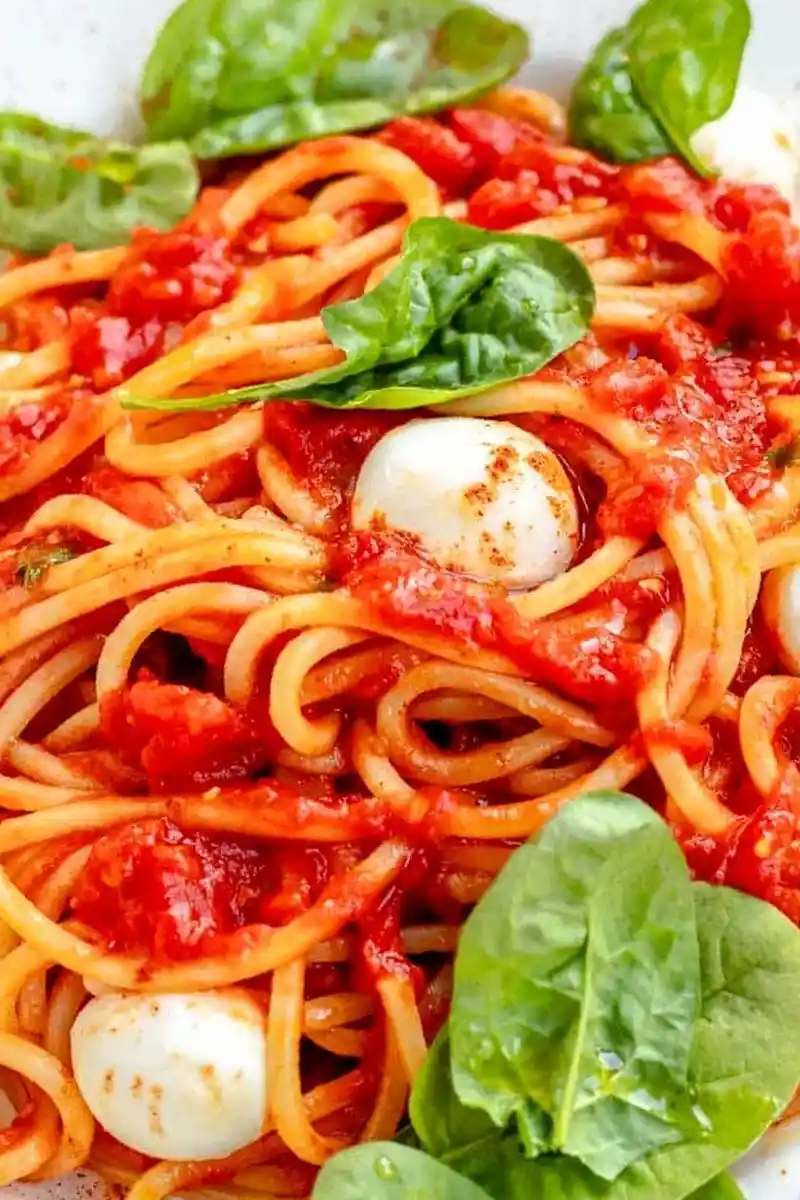
List of ingredients
- 12 ounces spaghetti
- 3 tablespoons extra virgin olive oil
- 2 cloves garlic (grated)
- ¼ teaspoon red pepper flakes
- 10 ounces cherry tomatoes (halved)
- 28 ounces whole peeled tomatoes
- 1 teaspoon salt
- ⅛ teaspoon black pepper
- 15 leaves basil (chopped)
- 1 cup fresh mozzarella balls
- 2 cups baby spinach
step-by-step instructions
- Make sauce: Heat olive oil in a large skillet. Add garlic and red pepper flakes, sautéing for 1 minute. Add cherry tomatoes, salt, and pepper, cooking for 4 minutes. Stir in whole peeled tomatoes and simmer for 15 minutes, crushing tomatoes with a spoon.
- Cook pasta: Boil spaghetti in salted water for 3 minutes less than package instructions. Reserve one cup of water, drain, and add pasta to the sauce.
- Finish: Stir in basil and cook for 2 to 3 minutes in the sauce, adding reserved water if needed.
- Serve: Turn off heat, stir in mozzarella balls and spinach, and serve immediately.
Refining the Sauce Profile
Balancing Acidity with Natural Sweetness
If your canned tomatoes lean toward the acidic side, it can easily sharpen the profile of your pomodoro sauce too much. To fix this, stir in a teaspoon of sugar or a small amount of finely grated carrot while the sauce is simmering. These additions provide just enough sweetness to round out the sharp tomato tang without masking the other flavors.
The Role of Starch in Creamy Emulsions
Never discard all of your pasta cooking water before combining the noodles with your sauce. The starchy liquid left behind in the pot is essentially liquid gold, acting as a binder that emulsifies the olive oil and tomato juices. This creates a glossy, cohesive sauce that clings perfectly to every strand of spaghetti rather than sliding off onto the plate.
Selecting the Ideal Components
Choosing the Right Pasta Shape
While spaghetti is the traditional choice for this dish, the sauce is highly versatile and works beautifully with many other shapes. For a sauce that requires more texture, try using ridged penne or rigatoni, which are designed to capture chunky bits of tomato in their cavities. If you prefer long noodles, linguine or bucatini offer a similar eating experience to spaghetti but with slightly different mouthfeels.
Why San Marzano Tomatoes Make a Difference
San Marzano tomatoes are grown in the volcanic soil of Italy, which gives them a distinctively low acidity and a higher flesh-to-seed ratio. Using these specifically leads to a much thicker and more naturally sweet sauce compared to standard round canned tomatoes. When shopping, always look for the DOP certification on the label to ensure you are getting the authentic product.
Variations and Enhancements
Incorporating Fresh Seasonal Herbs
Basil is the traditional herb of choice for pasta pomodoro, but you can certainly experiment with other fresh additions to suit your palate. Parsley provides a cleaner, grassier note that pairs well with seafood additions, while a touch of fresh oregano adds an earthy depth. Always add delicate leafy herbs at the very end of the cooking process to ensure their essential oils remain potent and fragrant.
Adding Texture with Toasted Nuts
For a sophisticated crunch, consider sprinkling toasted pine nuts or slivered almonds over your finished bowl of pasta. Toast the nuts in a dry pan over low heat until golden brown before adding them as a garnish. This extra layer of texture contrasts beautifully with the soft pasta and creamy mozzarella, turning a simple meal into something that feels gourmet.
Preparation and Management
Proper Storage and Reheating
To store your leftovers, place the pasta in an airtight container in the refrigerator immediately after it has cooled. It will remain fresh for up to 3 days, though the pasta may absorb more sauce over time. To reheat, add a small splash of water to the container and warm it in the microwave in 30-second intervals to prevent the noodles from becoming mushy.
Maximizing Efficiency for Busy Nights
You can prepare your tomato sauce base in advance and keep it in the refrigerator for up to 48 hours before you plan to eat. When you are ready to serve, simply boil your pasta fresh and toss it into the heated sauce. This method ensures you have a hot, authentic dinner ready in less than 10 minutes, making it a perfect solution for time-constrained households.
Common Queries Addressed
How do I know when the pasta is perfectly al dente?
The term al dente literally means to the tooth, indicating that the pasta should have a slight resistance when you bite into it. Always taste a strand about two minutes before the package instructions suggest the pasta should be finished. The core should still look slightly opaque, indicating it is not overcooked.
Can I omit the mozzarella if I want a lighter meal?
Absolutely, the pasta pomodoro is equally delicious without any dairy additions. The base of olive oil, garlic, and tomato provides a complete flavor profile on its own. If you want to replace the richness of the cheese, try finishing the dish with a generous handful of fresh arugula or a sprinkle of toasted breadcrumbs for added texture.
Is it necessary to use a Dutch oven for this sauce?
A Dutch oven is an excellent choice due to its heavy bottom, which ensures even heat distribution and prevents the tomato sauce from scorching during the 15-minute simmer. If you do not have one, a wide, heavy-bottomed skillet will work just as effectively. The key is to maintain a steady, gentle simmer rather than a rapid, uneven boil to develop the best flavor.
Should I rinse my pasta after boiling it?
You should never rinse your pasta after draining it, as the starch on the surface of the noodles is crucial for helping the sauce adhere. Rinsing removes this beneficial starch, resulting in slippery pasta that cannot hold onto the tomato sugo. Simply transfer the pasta directly from the boiling water to your sauce pan to maximize the integration of flavors.
Print
Classic Pasta Pomodoro
- Total Time: PT25M
- Yield: 4 servings 1x
- Diet: Vegetarian
Description
Spaghetti pomodoro is an Italian tomato and basil pasta recipe beloved worldwide for its taste and simplicity. In about 25 minutes, with simple ingredients, you can prepare an authentic Italian pasta dish that is nutritious and fulfilling.
Ingredients
- 12 ounces spaghetti
- 3 tablespoons extra virgin olive oil
- 2 cloves garlic (grated)
- ¼ teaspoon red pepper flakes
- 10 ounces cherry tomatoes (halved)
- 28 ounces whole peeled tomatoes
- 1 teaspoon salt
- ⅛ teaspoon black pepper
- 15 leaves basil (chopped)
- 1 cup fresh mozzarella balls
- 2 cups baby spinach
Instructions
- Make sauce: Heat olive oil in a large skillet. Add garlic and red pepper flakes, sautéing for 1 minute. Add cherry tomatoes, salt, and pepper, cooking for 4 minutes. Stir in whole peeled tomatoes and simmer for 15 minutes, crushing tomatoes with a spoon.
- Cook pasta: Boil spaghetti in salted water for 3 minutes less than package instructions. Reserve one cup of water, drain, and add pasta to the sauce.
- Finish: Stir in basil and cook for 2 to 3 minutes in the sauce, adding reserved water if needed.
- Serve: Turn off heat, stir in mozzarella balls and spinach, and serve immediately.
Notes
If the sauce tastes too acidic, add 1-2 teaspoons of sugar. Fresh mozzarella may be substituted with grated parmesan or omitted for a dairy-free version.
- Prep Time: PT5M
- Cook Time: PT20M
- Category: Main
- Method: Stovetop
- Cuisine: Italian
Nutrition
- Serving Size: 1 plate
- Calories: 689 kcal
- Sugar: 10 g
- Sodium: 1420 mg
- Fat: 26 g
- Saturated Fat: 10 g
- Unsaturated Fat: 14 g
- Trans Fat: 0 g
- Carbohydrates: 81 g
- Fiber: 7 g
- Protein: 35 g
- Cholesterol: 54 mg