
This rich and creamy spicy pasta is a quick dinner solution that replicates a famous restaurant favorite. It combines a velvety tomato cream sauce with a bold kick of heat in just 15 minutes.
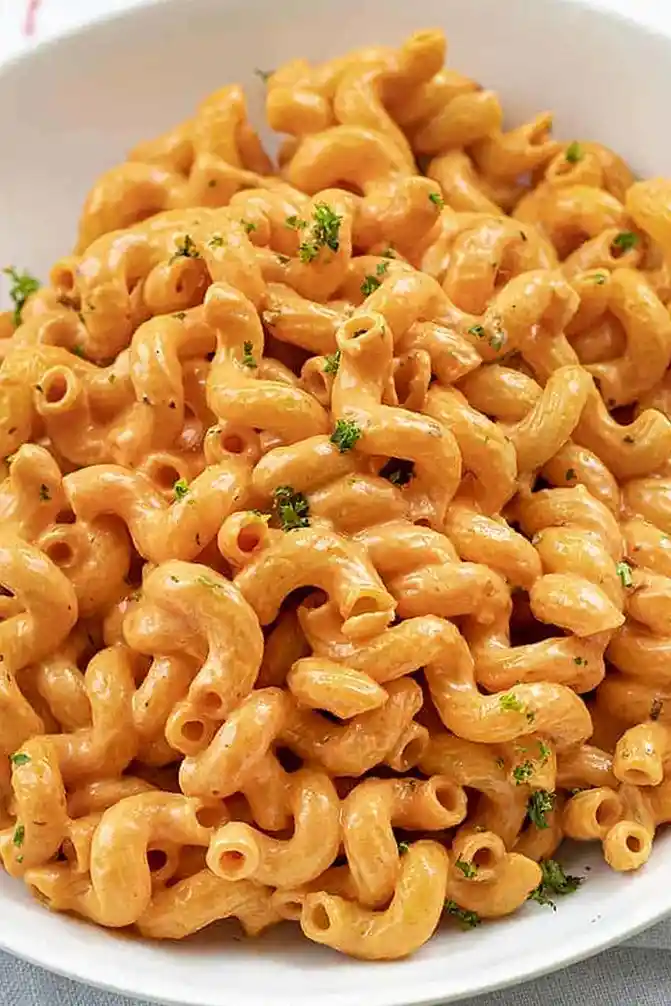
List of ingredients
- 16 ounces cavatappi noodles – cooked according to package instructions.
- 3 tablespoons olive oil – used for sautéing the aromatics.
- 3 teaspoons garlic, minced – provides a pungent flavor base.
- 1 can (6 ounces) tomato paste – creates a thick, concentrated red sauce.
- 2 cups heavy whipping cream – adds richness and a smooth texture.
- 1 teaspoon kosher salt – enhances all the savory elements.
- 1 teaspoon black pepper – adds a subtle earthy heat.
- 2 teaspoons red pepper flakes – the primary source of spicy heat.
- 1 cup pasta water – reserved from the boiling pot to emulsify the sauce.
- fresh parsley – used for a bright, fresh garnish.
step-by-step instructions
- Cook the Pasta: Bring a large pot of water to a boil, add the cavatappi noodles, and cook them following the package directions.
- Reserve Water: Before draining and rinsing the noodles, carefully set aside 1 cup of the starchy pasta water.
- Heat Oil: Place a large skillet over medium heat and add the olive oil.
- Sauté Garlic: Add the minced garlic to the skillet and cook for approximately one minute until fragrant.
- Build the Sauce: Stir in the tomato paste, heavy whipping cream, salt, black pepper, and red pepper flakes, cooking until the mixture is thoroughly heated.
- Adjust Consistency: Add the reserved pasta water one tablespoon at a time, stirring constantly until the sauce reaches your desired thickness.
- Combine: Pour the cooked cavatappi noodles into the skillet and mix well until every noodle is evenly coated in the red sauce.
- Garnish and Serve: Sprinkle with fresh parsley and serve the dish while it is still warm.
Sauce Texture Optimization
The Role of Reserved Pasta Water
Pasta water contains starch released from the noodles during the boiling process. When whisked into the sauce, this starch acts as an emulsifier, helping the fat from the cream and oil bind with the tomato paste. This prevents the sauce from separating and allows it to cling better to the noodles.
Managing Tomato Paste Concentration
Cooking the tomato paste briefly with the garlic removes the raw, metallic taste often found in canned pastes. This process, known as caramelization, deepens the flavor and ensures the sauce has a rich, cooked-down quality. Be careful not to let the paste burn, as this can introduce a bitter flavor.
Preventing Cream Curdling
To keep the sauce smooth, ensure the skillet is at a steady medium heat before adding the heavy cream. Avoid bringing the sauce to a violent boil, as extreme temperatures can cause the cream to break or curdle. Stirring continuously helps maintain a uniform temperature throughout the pan.
Achieving a Velvety Finish
The key to a professional texture is the gradual addition of liquids. By adding the pasta water one tablespoon at a time, you can control the viscosity precisely. This ensures the sauce remains thick enough to coat the pasta without becoming watery or overly thin.
Ingredient Substitutions
Choosing Alternative Pasta Shapes
While cavatappi is excellent for catching sauce, rigatoni or penne are great alternatives. These shapes have ridges or hollow centers that trap the creamy sauce effectively. Avoid very thin pastas like spaghetti, as they may not support the weight of this thick sauce.
Substituting Heavy Cream for Lighter Options
If you prefer a lighter sauce, you can use half-and-half, though you may need to simmer the sauce longer to thicken it. For a non-dairy alternative, full-fat coconut cream works well, although it will add a slight coconut flavor to the dish. Avoid using skim milk, as it will not emulsify correctly.
Using Garlic Powder instead of Fresh
If fresh garlic is unavailable, you can substitute it with garlic powder. Use approximately one-quarter teaspoon of garlic powder for every clove of fresh garlic. Add the powder during the sauce-building phase rather than the sautéing phase to prevent it from burning.
Replacing Olive Oil with Butter
Using unsalted butter instead of olive oil adds a nutty, rich dimension to the sauce. Melt the butter over medium heat, keeping an eye on it so it does not brown too quickly. This substitution enhances the overall creaminess of the final dish.
Heat Level Customization
Amplifying the Spicy Profile
For those who prefer more heat, add a pinch of cayenne pepper or a dash of crushed habanero flakes. You can also increase the red pepper flakes to three or four teaspoons. Adding the spice during the sautéing phase allows the heat to infuse more deeply into the oil.
Taming the Heat for Mild Palates
To reduce the spice, simply lower the amount of red pepper flakes to a half-teaspoon or omit them entirely. Adding an extra splash of heavy cream or a small pinch of sugar can also help neutralize the intensity of the peppers. This creates a more mellow, kid-friendly version of the sauce.
Adding Smoky Dimensions
Substituting a portion of the red pepper flakes with smoked paprika adds a wonderful depth of flavor. This gives the sauce a wood-fired taste without adding excessive heat. It complements the richness of the cream and the acidity of the tomato paste perfectly.
Balancing Heat with Acidity
A squeeze of fresh lemon juice at the very end of cooking can brighten the sauce and balance the spicy notes. The acidity cuts through the heavy cream, making the flavors pop. This prevents the richness of the sauce from feeling too heavy on the palate.
Protein and Vegetable Additions
Incorporating Pan-Seared Chicken
Adding grilled or pan-seared chicken breast turns this into a heartier meal. Sauté the chicken pieces separately in the same skillet before starting the sauce to ensure they are browned and juicy. Mix the cooked chicken back in right before adding the pasta.
Adding Sautéed Shrimp
Shrimp pairs beautifully with creamy tomato sauces. Sauté the shrimp in olive oil for two minutes per side until pink, then remove them from the pan. Stir them back into the pasta at the final stage to avoid overcooking them into a rubbery texture.
Integrating Fresh Spinach or Kale
For added nutrition, stir in two cups of fresh baby spinach or chopped kale during the final minute of sauce simmering. The heat of the sauce will wilt the greens quickly without overcooking them. This adds a vibrant color and a fresh, earthy taste to the dish.
Mixing in Roasted Red Peppers
Adding diced roasted red peppers enhances the sweetness and color of the sauce. You can stir them in as a garnish or blend them directly into the tomato paste for a more complex flavor. This adds a subtle charred sweetness that balances the red pepper flakes.
Adding Sautéed Mushrooms
Mushrooms provide a savory umami boost that complements the creamy base. Sauté sliced cremini or button mushrooms until golden brown before adding the garlic. This adds a meaty texture to the pasta, making it more satisfying for vegetarians.
Serving and Pairing Suggestions
Pairing with Garlic Toast
Serve this pasta with toasted baguette slices brushed with garlic butter and herbs. The crunch of the toast provides a great contrast to the soft, creamy texture of the noodles. Bake the bread at 375 degrees Fahrenheit until golden brown for the best result.
Choosing a Fresh Side Salad
A light arugula salad with a lemon vinaigrette is the perfect companion to this rich dish. The peppery notes of the arugula and the acidity of the dressing help cleanse the palate between bites of creamy pasta. Simple cucumber and tomato salads also work well.
Finishing with Fresh Herbs
While parsley is the standard garnish, fresh basil or chives can add different flavor profiles. Basil adds a traditional Italian sweetness, while chives provide a mild onion-like zing. Always add fresh herbs at the very end to keep their color and flavor intact.
Adding a Cheese Garnish
A sprinkle of freshly grated Parmesan or Pecorino Romano adds a salty, sharp finish to the dish. Stirring the cheese directly into the pasta creates a thicker, cheesier sauce. Alternatively, dusting it on top allows the diner to control the amount of salt.
Storage and Preservation
Proper Refrigeration Techniques
Store leftover pasta in an airtight container in the refrigerator for up to three to four days. To prevent the noodles from absorbing all the sauce and becoming dry, leave a small amount of extra sauce in the pan. Cool the pasta quickly before sealing the container to avoid condensation.
Freezing the Sauce Separately
If you wish to freeze the meal, it is best to freeze the sauce separately from the noodles. Store the sauce in a freezer-safe bag or container for up to three months. When ready to eat, thaw the sauce in the fridge and toss it with freshly cooked pasta.
Preventing Pasta Texture Loss
When storing pasta with sauce, consider undercooking the noodles by one or two minutes. This prevents them from becoming mushy when you reheat them later. The noodles will finish cooking during the reheating process, maintaining a better bite.
Preparing the Sauce in Advance
You can make the red cream sauce a day ahead and store it in the fridge. When you are ready to serve, simply heat the sauce in a skillet and add cooked pasta. This reduces the total preparation time on a busy weeknight to just the time it takes to boil water.
Reheating Methods
Stovetop Reheating Process
The best way to reheat this pasta is over low heat in a skillet. Add a splash of water, milk, or cream to loosen the sauce, as the noodles will have absorbed much of the moisture. Stir gently until heated through to avoid breaking the pasta.
Microwave Reheating Instructions
Place the pasta in a microwave-safe bowl and cover it with a damp paper towel. Heat in 30-second intervals, stirring in between to ensure even heat distribution. Adding a teaspoon of water helps steam the noodles and restores the creamy consistency.
Oven Method for Large Batches
For reheating larger portions, place the pasta in a baking dish and add a drizzle of heavy cream over the top. Cover the dish with foil to trap the moisture and bake at 325 degrees Fahrenheit for about 15 minutes. Stir halfway through to distribute the heat.
Troubleshooting Common Issues
Fixing a Broken Sauce
If the sauce separates and looks oily, it is usually due to excessive heat. To fix this, remove the pan from the heat and whisk in a tablespoon of cold water or a small knob of butter. Stir vigorously to re-emulsify the fat and liquids.
Resolving Overly Salty Pasta
If the dish tastes too salty, stir in an extra tablespoon of heavy cream or a squeeze of lemon juice. The fat in the cream and the acid in the lemon help mask the saltiness. Avoid adding more water, as this will dilute the flavor too much.
Correcting an Excessively Thick Texture
If the sauce becomes too thick or paste-like, gradually whisk in more pasta water or warm milk. Do this slowly while the sauce is simmering to ensure it blends smoothly. This restores the velvet-like flow of the sauce without losing the flavor.
Managing Burned Garlic Bitterness
If the garlic browns too quickly and tastes bitter, it is best to start the sauté process over. Once garlic burns, the bitterness permeates the entire sauce and cannot be easily removed. Always keep the heat at a steady medium and stir constantly.
Frequently Asked Questions
Can I use tomato sauce instead of paste?
Using tomato sauce will result in a much thinner, more liquid consistency that lacks the richness of the original recipe. If you must use sauce, you will need to simmer it for a long time to reduce the water content before adding the cream.
Is it possible to make this gluten-free?
Yes, you can simply replace the cavatappi noodles with your favorite gluten-free pasta alternative. Ensure you still reserve the cooking water from the gluten-free pasta, as the starch content differs but is still useful for the sauce.
How do I stop the sauce from separating?
The most effective way to prevent separation is to avoid boiling the cream and to use the starchy pasta water. If it starts to separate, lower the heat immediately and whisk in a small amount of liquid to bring the emulsion back together.
Which pasta shape holds the sauce best?
Pasta with ridges, such as rigatoni or cavatappi, is ideal because the grooves trap the thick sauce. Smooth pastas like penne also work well, but avoid long, thin strands like linguine which can cause the heavy sauce to slide off.
Can I use a different type of oil?
You can use avocado oil or grapeseed oil as a substitute for olive oil. These oils have a higher smoke point and a neutral flavor, allowing the garlic and tomato paste to be the primary tasting notes of the dish.
Print
Creamy and Spicy Copycat Pasta
- Total Time: 15 minutes
- Yield: 6 servings 1x
- Diet: General
Description
Spicy Pasta is a recipe that was inspired by Carbone’s popular Spicy Rigatoni menu item and is as easy to make as it is delicious!
Ingredients
- 16 ounces cavatappi noodles
- 3 tablespoons olive oil
- 3 teaspoons garlic, minced
- 1 can (6 ounces) tomato paste
- 2 cups heavy whipping cream
- 1 teaspoon kosher salt
- 1 teaspoon black pepper
- 2 teaspoons red pepper flakes
- 1 cup pasta water
- fresh parsley, for garnish
Instructions
- Step 1: Heat a large pot of water to boiling, add the pasta noodles, and cook them according to the package instructions.
- Step 2: Reserve 1 cup of the cooked pasta water before you drain and rinse the noodles.
- Step 3: Heat the olive oil in a large skillet over medium heat.
- Step 4: Add in the garlic and cook for about a minute.
- Step 5: Add the tomato paste, cream, salt, pepper, and red pepper flakes; cook until heated through.
- Step 6: Add the reserved pasta water one tablespoon at a time until you reach your desired consistency.
- Step 7: Pour in the cooked cavatappi noodles and mix until noodles are coated with the red sauce.
- Step 8: Garnish with fresh parsley and serve warm.
Notes
A creamy, vodka-free alternative to the famous Carbone’s spicy rigatoni.
- Prep Time: 5 minutes
- Cook Time: 10 minutes
- Category: Dinner
- Method: Stovetop
- Cuisine: American
Nutrition
- Serving Size: 1 serving
- Calories: 453 kcal
- Sugar: 7 g
- Sodium: 680 mg
- Fat: 26 g
- Saturated Fat: 15 g
- Unsaturated Fat: 11 g
- Trans Fat: 0 g
- Carbohydrates: 44 g
- Fiber: 3 g
- Protein: 11 g
- Cholesterol: 65 mg