
This stovetop butter chicken is a rich and aromatic meal that comes together in just 30 minutes. It features tender marinated chicken in a velvety tomato-cream sauce, making it an ideal choice for a fast weeknight dinner.
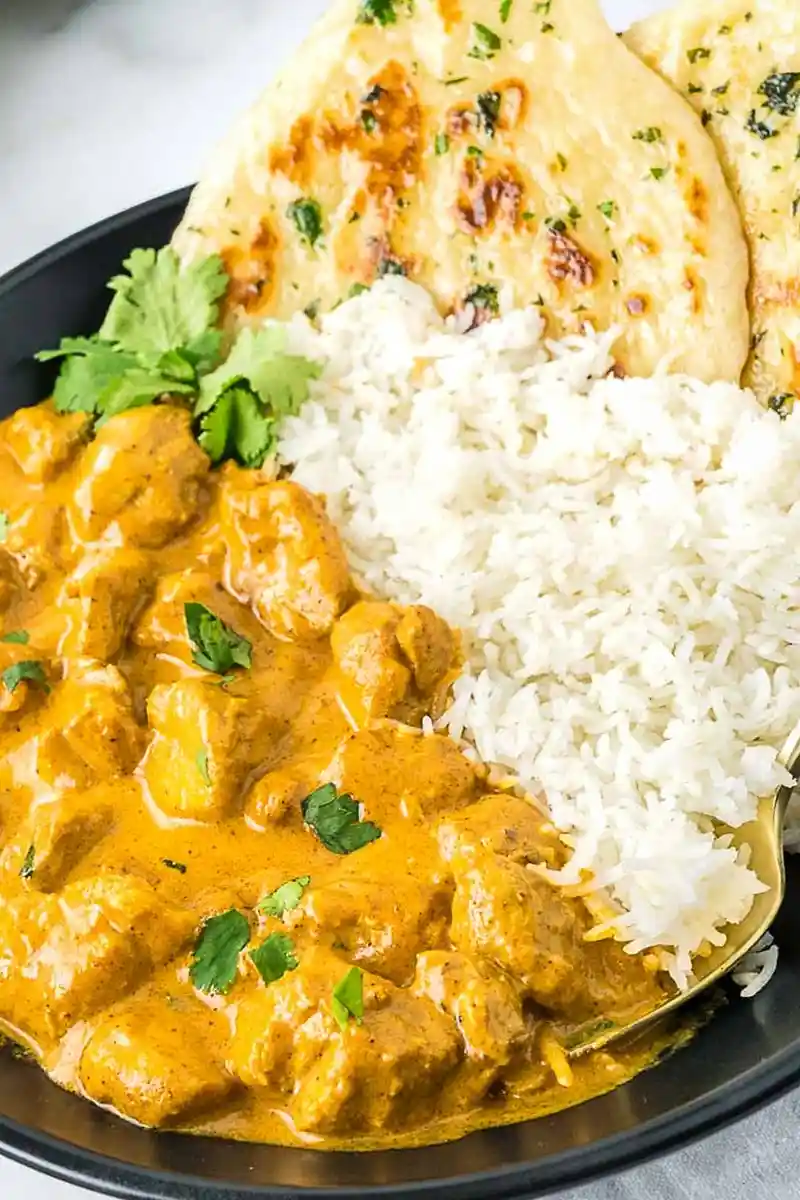
List of ingredients
- 2-3 lbs boneless skinless chicken thighs – fat trimmed and cut into bite-sized pieces
- 1/4 cup plain Greek yogurt – used for the tenderizing marinade
- 4 cloves garlic – minced for the marinade
- 1 Tbsp ginger – minced for the marinade
- 1 1/2 tsp garam masala – added to both marinade and sauce
- 1 tsp turmeric – provides color and earthiness to the marinade
- 1 tsp cumin – used in both the marinade and the sauce
- 1 tsp red chili powder – for a mild heat in the marinade
- 1 tsp sea salt – for the marinade
- 2 Tbsp oil – vegetable, canola, or avocado oil for browning
- 2 Tbsp ghee or butter – for sautéing the sauce aromatics
- 5 cloves garlic – minced for the sauce
- 1 1/2 tsp cumin – additional amount for the sauce
- 1 1/2 tsp garam masala – additional amount for the sauce
- 1 tsp ground coriander – adds floral notes to the sauce
- 14 oz tomato sauce – the base of the creamy sauce
- 1 tsp red chili powder – additional amount for the sauce
- 1/2 tsp cayenne pepper – optional for extra spice
- 1 1/2 tsp sea salt – for seasoning the sauce
- 1 cup heavy cream or full fat coconut milk – for the signature creamy texture
- 1/2 tsp dried fenugreek or crushed kasoori methi – essential for authentic flavor
- fresh cilantro – optional for garnish
step-by-step instructions
- Marinate the Chicken: In a large bowl or ziploc bag, combine the Greek yogurt, 4 cloves of minced garlic, 1 tablespoon of minced ginger, 1 1/2 teaspoons of garam masala, 1 teaspoon of turmeric, 1 teaspoon of cumin, 1 teaspoon of red chili powder, and 1 teaspoon of sea salt. Mix the marinade well and add the chicken pieces, tossing them to ensure every piece is evenly coated. Cover and refrigerate for at least 30 minutes, though up to 24 hours is recommended for maximum flavor.
- Brown the Meat: Heat 2 tablespoons of oil in a large skillet or dutch oven over medium-high heat. Once the oil is sizzling, add the chicken pieces, discarding any excess marinade. Cook until browned on all sides, being careful not to overcrowd the pan; work in batches if necessary. Remove the browned chicken to a separate bowl, cover it, and set it aside to finish cooking in the sauce.
- Sauté the Aromatics: Reduce the heat to medium and add 2 tablespoons of ghee or butter to the same pan. Add 5 cloves of minced garlic and 1 tablespoon of minced ginger, sautéing for about a minute until fragrant. Add 1 teaspoon of ground coriander, 1 1/2 teaspoons of cumin, 1/2 teaspoon of garam masala, 1 teaspoon of chili powder, and 1/2 teaspoon of cayenne pepper. Stir these spices quickly for about 30 seconds to toast them.
- Simmer the Sauce: Pour in the tomato sauce and sea salt, using a wooden spoon or silicone spatula to scrape the brown bits from the bottom of the pan. Reduce the heat and simmer for about 5 minutes, stirring occasionally to allow the flavors to merge. Lower the heat to low, then slowly pour in the heavy cream or coconut milk while whisking constantly. Stir in the dried fenugreek.
- Combine and Finish: Return the browned chicken and its accumulated juices to the pan. Cook for 8 to 10 minutes until the chicken reaches an internal temperature of 165°F and the sauce has thickened. If the sauce appears too thick, stir in an additional tablespoon of ghee or butter for smoothness. Remove from heat and garnish with fresh chopped cilantro.
Professional Cooking Tips for Better Texture
Maintain Uniform Chicken Sizing
Cut your chicken pieces into consistent 1/2-inch to 1-inch cubes. This ensures that all pieces cook at the same rate, preventing smaller bits from overcooking while larger chunks remain raw. Uniformity is key to achieving a tender result across the entire dish.
Pre-measure All Spice Blends
Combine your sauce spices in a small bowl before you start the sautéing process. Garlic and ginger burn very quickly in hot ghee, and searching for spice jars can lead to a burnt base. Having everything ready allows you to move quickly and maintain control over the heat.
Maximize Marination Time
While a 30-minute marinade works, allowing the chicken to sit for several hours or overnight is superior. The lactic acid in the Greek yogurt breaks down the muscle fibers, resulting in a much more tender texture. The spices also penetrate deeper into the meat during this time.
Use Full-Fat Coconut Milk
If opting for a dairy-free version, always use full-fat canned coconut milk rather than the carton variety. For the richest texture, scoop the thick cream from the top of the can. This mimics the mouthfeel of heavy cream and prevents the sauce from becoming too watery.
Dietary Adjustments and Ingredient Swaps
Converting to a Dairy-Free Meal
Replace the heavy cream with full-fat coconut milk and substitute the ghee or butter with a neutral vegetable oil. For the marinade, use a dairy-free plain yogurt or a plant-based sour cream alternative. These swaps maintain the creamy consistency without using animal-derived dairy.
Ensuring the Dish is Gluten-Free
This recipe is naturally gluten-free, but always check the labels of your store-bought spice blends. Some brands use flour or starch as an anti-caking agent in garam masala or chili powder. Stick to pure ground spices to guarantee a gluten-free meal.
Choosing Between Thighs and Breasts
Boneless skinless chicken thighs are the traditional choice because they stay juicy during the browning and simmering process. Chicken breasts can be used for a leaner option, but be careful not to overcook them in the final step. Reduce the final simmering time slightly if using breasts to avoid dryness.
Understanding the Essential Spice Profile
The Role of Garam Masala
Garam masala is a warming blend of cinnamon, mace, peppercorns, coriander, cumin, and cardamom. It provides the deep, complex base that defines the aromatic nature of butter chicken. Adding it both in the marinade and the sauce layers the flavor throughout the dish.
The Purpose of Turmeric
Turmeric is used primarily for its earthy flavor and its ability to provide a vibrant golden hue to the chicken. It also contains curcumin, which contributes to the overall aromatic profile. It works in tandem with the tomato sauce to create the signature orange color.
Cumin for Earthy Depth
Cumin adds a nutty, smoky quality that balances the sweetness of the tomato sauce and the richness of the cream. Using it in both the initial sear and the sauce ensures a consistent earthy undertone. It helps ground the more floral notes of the coriander.
Kasoori Methi for Authentic Aroma
Dried fenugreek leaves, known as kasoori methi, provide a distinct maple-like scent and slightly bitter taste. This ingredient is what separates restaurant-style butter chicken from home versions. Crushing the leaves between your palms before adding them releases the essential oils.
The Best Accompaniments for Serving
Selecting the Right Rice
Basmati rice is the ideal partner due to its long grains and aromatic fragrance. Jasmine rice is a suitable alternative if you prefer a slightly stickier texture. Ensure the rice is steamed plain or with a touch of salt to let the rich sauce remain the star.
Traditional Flatbread Pairings
Naan is the most popular choice for scooping up the thick sauce. Roti provides a thinner, crispier alternative that is less filling than naan. For an even richer experience, try Garlic Naan or Paratha, which adds buttery layers to the meal.
Refreshing Side Salads
A Kachumber salad, made with diced cucumbers, tomatoes, and red onions dressed in lemon juice, provides a necessary acidic contrast. The freshness of the raw vegetables cuts through the richness of the butter and cream. This balance prevents the meal from feeling too heavy.
Steamed Vegetable Additions
Air-fryer broccoli or steamed cauliflower are excellent side options. These vegetables soak up the extra sauce and add a nutritional boost to the plate. The slight char from air-frying broccoli complements the smoky notes of the browned chicken.
Preservation and Reheating Guidelines
Refrigeration and Storage
Store leftover butter chicken in an airtight glass container to preserve the flavor. It will stay fresh in the refrigerator for up to 3 days. Keep the container sealed tightly to prevent the sauce from absorbing other odors in the fridge.
Freezing Instructions
This dish freezes remarkably well for up to 3 months. Portion the chicken into individual serving-sized containers to make reheating easier. Ensure the chicken is completely cooled before freezing to avoid ice crystals forming in the sauce.
Microwave Reheating Process
Heat refrigerated portions in 30-second intervals, stirring in between. This prevents the cream from separating and ensures the chicken is heated evenly. If the sauce thickens too much in the microwave, stir in a teaspoon of water or milk.
Stovetop Reheating Method
For the best quality, reheat the chicken in a small skillet over low heat. Add a splash of water or a small knob of butter to loosen the sauce. Stir gently until the chicken reaches 165°F to maintain the original texture.
Alternative Cooking Methods
Slow Cooker Adaptation
To use a crockpot, follow the original recipe through the browning and sauce-base steps. Transfer the browned chicken and the simmered sauce into the slow cooker. Cook on low until the chicken is tender, ensuring the internal temperature reaches at least 165°F before serving.
Instant Pot Conversion
Use the sauté setting to brown the chicken and toast the spices as directed in the stovetop version. Instead of simmering, lock the lid and pressure cook on manual high for 6 minutes. Perform a manual release, then stir in the heavy cream and fenugreek at the very end to prevent curdling.
Common Troubleshooting Solutions
Solving a Sauce That Is Too Thick
If the sauce becomes too dense or paste-like, stir in a tablespoon of ghee, butter, or a splash of heavy cream. You can also add a tablespoon of water or chicken broth to reach your desired consistency. Stir on low heat to incorporate the liquid smoothly.
Fixing a Thin or Watery Sauce
If the sauce is too thin, simmer it on medium-low heat without a lid for several additional minutes. This allows the excess moisture to evaporate, concentrating the flavors and thickening the texture. Avoid boiling the sauce vigorously once the cream has been added.
Balancing Overpowering Spices
If the sauce tastes too spicy or bitter, add a small pinch of sugar or an extra tablespoon of heavy cream. The fats in the cream neutralize the heat of the chili powder and cayenne. A squeeze of fresh lime juice can also brighten the flavor and balance the salt.
Preventing Dry Chicken
Avoid overcooking the chicken during the initial browning phase; it only needs to be colored, not fully cooked. If the chicken feels tough, you may have simmered it too long in the final step. Stick to the 8-10 minute window for the final simmer.
Frequently Asked Questions
Is butter chicken healthy?
This version contains no added sugars or processed starches and is rich in protein. To make it healthier, you can use Greek yogurt for extra protein or substitute heavy cream with coconut milk for a dairy-free alternative. It is packed with antioxidants from the turmeric and garlic.
Is there a difference between butter chicken and curry?
Curry is a broad category of dishes that use a variety of spices and bases. Butter chicken is a specific type of curry characterized by its creamy, tomato-based sauce and the addition of butter. While all butter chicken is a curry, not all curries are butter chicken.
Where does butter chicken originate?
Butter chicken, also known as Murgh Makhani, is believed to have been invented in Delhi, India, during the 1950s. It was created by chefs at the Moti Mahal restaurant who sought a way to prevent tandoori chicken from drying out. They developed a rich tomato and butter sauce to keep the meat moist and flavorful.
Print
Creamy Butter Chicken Recipe
- Total Time: 60 minutes
- Yield: 6 servings 1x
- Diet: Gluten Free, Keto Friendly
Description
Butter chicken is a popular Indian dish made with boneless chicken pieces that have been marinated in yogurt and spices, then cooked in a creamy tomato-based sauce that is flavored with butter and a variety of aromatic spices.
Ingredients
- 2–3 lbs boneless skinless chicken thighs, fat trimmed and cut into bite-sized pieces
- 1/4 cup plain Greek yogurt
- 4 cloves garlic, minced
- 1 Tbsp ginger, minced
- 1 1/2 tsp garam masala
- 1 tsp turmeric
- 1 tsp cumin
- 1 tsp red chili powder
- 1 tsp sea salt
- 2 Tbsp vegetable, canola or avocado oil
- 2 Tbsp ghee or butter
- 5 cloves garlic, minced
- 1 1/2 tsp cumin
- 1 1/2 tsp garam masala
- 1 tsp ground coriander
- 14 oz tomato sauce
- 1 tsp red chili powder
- 1/2 tsp cayenne pepper
- 1 1/2 tsp sea salt
- 1 cup heavy cream or full fat coconut milk
- 1/2 tsp dried fenugreek or crushed kasoori methi
- fresh cilantro, optional
Instructions
- Marinate Chicken: In a large bowl, combine yogurt, 4 cloves minced garlic, ginger, 1 1/2 tsp garam masala, turmeric, 1 tsp cumin, 1 tsp red chili powder and 1 tsp sea salt. Add chicken pieces and toss to coat; refrigerate for 30 minutes to 24 hours.
- Brown Chicken: Heat 2 tablespoons of oil in a large skillet over medium-high heat. Add chicken pieces (discard extra marinade), cook until brown, then remove and set aside.
- Prepare Aromatics: Heat ghee or butter in the same pan. Sauté 5 cloves minced garlic and minced ginger for a minute until fragrant.
- Toast Spices: Add coriander, 1 1/2 tsp cumin, 1 1/2 tsp garam masala, 1 tsp chili powder and 1/2 tsp cayenne pepper; stir for 30 seconds.
- Simmer Sauce: Add tomato sauce and 1 1/2 tsp sea salt, scrape the bottom of the pan, and simmer for 5 minutes. Reduce heat to low and stir in heavy cream and dried fenugreek.
- Finish and Serve: Add the chicken and its juices back into the pan; cook for 8-10 minutes until chicken reaches 165°F. Garnish with cilantro and serve with naan and rice.
Notes
Cut chicken into uniform bite-sized pieces for even cooking. If using coconut milk, use full fat and primarily the solid cream from the top of the can.
- Prep Time: 5 minutes
- Cook Time: 25 minutes
- Category: Main Course
- Method: Stovetop
- Cuisine: Indian
Nutrition
- Serving Size: 1 serving
- Calories: 440 kcal
- Sugar: 4 g
- Sodium: 1445 mg
- Fat: 31 g
- Saturated Fat: 14 g
- Unsaturated Fat: 14 g
- Trans Fat: 0.05 g
- Carbohydrates: 8 g
- Fiber: 2 g
- Protein: 33 g
- Cholesterol: 202 mg