
This Thai-inspired soup blends creamy coconut milk with fresh cilantro and aromatic spices for a comforting meal. It is an efficient way to use leftover chicken and rice for a quick weeknight dinner.
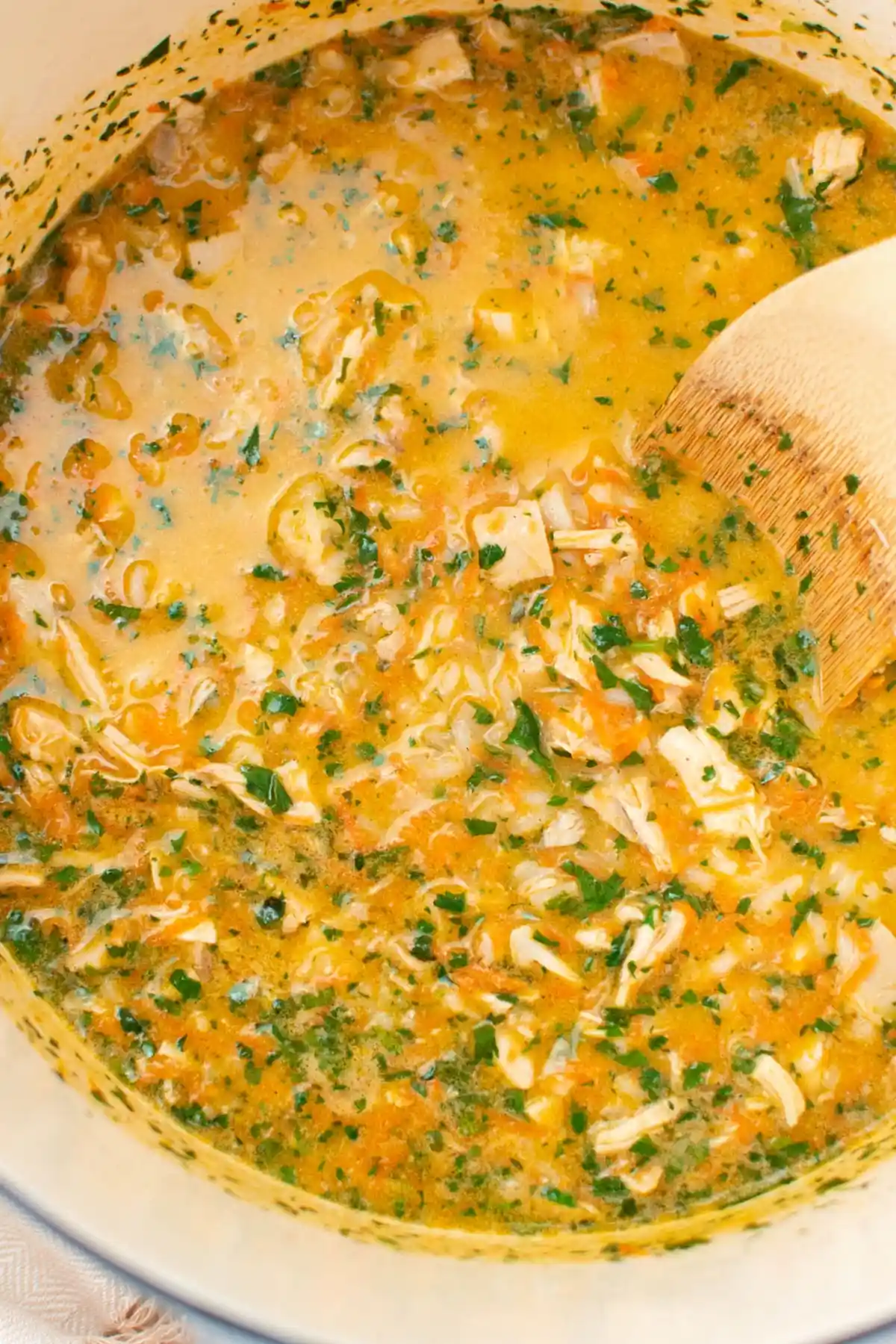
List of ingredients
- 3 Tablespoons butter – used for sautéing the aromatic vegetables.
- 1 cup shredded carrot – approximately one large carrot, finely shredded.
- 1/4 teaspoon cinnamon – adds a subtle warmth to the broth.
- 1/4 teaspoon ginger – provides a zesty, spicy undertone.
- 1/4 teaspoon paprika – adds a mild sweetness and color.
- 1/4 teaspoon salt – enhances all the overall flavors.
- 2 cups chicken broth – forms the savory liquid base of the soup.
- 1/2 bunch cilantro – blended into the broth for a fresh, herbal taste.
- 15 ounces unsweetened lite coconut milk – one can, providing a creamy texture.
- 1/2 pound shredded and finely chopped chicken – about 2 cups of pre-cooked meat.
- 1 cup cooked white rice – adds heartiness and substance to the dish.
- 2 Tablespoons lime juice – about one fresh lime, for essential acidity.
- 1 Tablespoon soy sauce – adds a salty, umami depth to the broth.
step-by-step instructions
- Sauté Aromatics: Add butter, shredded carrot, cinnamon, ginger, paprika, and salt to a large soup pot or dutch oven. Cook over medium-low heat until the carrots are soft and fragrant, then turn the heat to low.
- Blend Herb Base: Pulse chicken broth and cilantro in a blender 2-3 times until the cilantro has become fine. Pour this mixture into the soup pot and stir to combine.
- Combine Main Ingredients: Add coconut milk, chopped chicken, cooked white rice, lime juice, and soy sauce to the pot and stir well.
- Simmer and Serve: Simmer the soup on medium-low heat for 5-10 minutes until everything is warmed through. Serve with additional cilantro and lime wedges if desired.
Ways to Customize the Flavor
Integrating Curry Powder for Warmth
Stir in 1/2 teaspoon of a mild yellow curry powder during the sauté step. This introduces a more traditional Thai flavor profile with notes of turmeric and cumin. It pairs well with the coconut milk to create a richer, golden broth.
Adding Chili Powder for a Subtle Spicy Kick
Incorporate 1/4 teaspoon of chili powder if you prefer a hint of heat. This provides a gentle warmth without overpowering the delicate cilantro and lime flavors. Add it along with the cinnamon and ginger for the best infusion.
Incorporating Fresh Jalapeños for Heat
Finely dice one small jalapeño and add it to the pot when sautéing the carrots. Removing the seeds will provide a mild flavor, while keeping them increases the spiciness. This adds a crisp texture and a bright, peppery taste to the soup.
Using Garam Masala for Depth
Add 1/2 teaspoon of garam masala blend to the spices for a more complex, earthy flavor. This blend often contains cloves and cardamom, which complement the cinnamon. It transforms the soup into a fusion-style dish with deep aromatic notes.
Substituting Soy Sauce with Thai Fish Sauce
Replace the soy sauce with 1 tablespoon of Thai fish sauce for a more authentic Southeast Asian taste. Fish sauce provides a pungent, salty quality that enhances the lime and coconut. Be cautious with additional salt if you make this substitution.
Protein and Grain Alternatives
Using Rotisserie Chicken for Speed
Use a store-bought rotisserie chicken to reduce preparation time significantly. Choose the hand-pulled variety to skip the shredding process entirely. Ensure the chicken is finely chopped so it distributes evenly in every spoonful.
Swapping Chicken for Turkey
Leftover roasted turkey serves as an excellent alternative to chicken in this recipe. Turkey has a slightly stronger flavor that stands up well to the coconut and ginger. Follow the same chopping and simmering steps to ensure it is heated through.
Replacing Chicken with Firm Tofu
For a plant-based version, use 12 ounces of extra-firm tofu cut into small cubes. Press the tofu first to remove excess water for a better texture. Sauté the tofu cubes briefly in butter or oil before adding the other ingredients.
Substituting White Rice for Cauliflower Rice
Use cooked cauliflower rice to make the soup compatible with a low-carb or keto diet. Add the cauliflower rice at the very end of the simmering process. This prevents the cauliflower from becoming too soft or breaking down in the broth.
Using Brown Rice for Extra Fiber
Substitute cooked brown rice for white rice to increase the nutritional value and fiber content. Brown rice maintains a firmer texture and a nuttier flavor. Since it is heartier, it may absorb slightly more liquid than white rice.
Integrating Quinoa as a Protein Grain
Replace the rice with 1 cup of cooked quinoa for a complete plant-based protein. Quinoa adds a slightly different texture and a mild, earthy taste. Like brown rice, quinoa is more absorbent, so you may need an extra splash of broth.
Storage and Reheating Guidelines
Managing Liquid Absorption in the Fridge
Store leftover soup in an airtight container in the refrigerator for up to three days. Be aware that the rice will continue to absorb the coconut broth over time. This results in a thicker consistency that may resemble a stew rather than a soup.
Restoring Texture During Reheating
Add 1/4 to 1/2 cup of chicken broth or water when reheating the soup. This restores the original creamy consistency and prevents the dish from being too dry. Stir gently to avoid breaking the rice grains or tofu cubes.
Reheating on the Stovetop
Warm the soup in a small pot over medium-low heat. Stir occasionally to ensure the coconut milk does not separate or burn at the bottom. Heat until the liquid reaches a gentle simmer before serving.
Microwave Reheating Instructions
Place the soup in a microwave-safe bowl and cover it with a lid or damp paper towel. Heat in 1-minute intervals, stirring in between each session. This ensures the chicken and rice are heated evenly without creating hot spots.
Freezing and Long-Term Storage
Removing Starch Before Freezing
Do not freeze the soup with the rice already included. Starchy elements like rice tend to break down and become gummy when frozen and thawed. Instead, freeze the coconut-cilantro broth and chicken base only.
Preserving the Freshness of Cilantro
Fresh cilantro can lose its bright color and flavor after being frozen. For the best results, omit the final garnish of fresh cilantro before freezing. Add a handful of fresh chopped leaves to the soup after reheating.
The Proper Thawing Process
Thaw the frozen soup base slowly in the refrigerator overnight. Once thawed, place it in a pot and add freshly cooked rice. Simmer for a few minutes to integrate the flavors and heat the dish through.
Troubleshooting Common Issues
Correcting a Too-Thick Consistency
If the soup becomes too thick due to the rice, stir in small amounts of chicken broth. Add the broth one tablespoon at a time until the desired creaminess is achieved. This maintains the flavor balance while adjusting the viscosity.
Balancing Overpowering Lime Juice
If the lime juice makes the soup too tart, add a pinch of sugar or a teaspoon of coconut cream. This neutralizes the excess acidity without altering the overall flavor profile. Taste after each addition to find the right balance.
Adjusting Excessive Saltiness
If the soy sauce or broth makes the soup too salty, increase the amount of coconut milk. The fat in the coconut milk helps mask saltiness and mellows out the flavor. Alternatively, add more shredded carrots to absorb some of the salt.
Frequently Asked Questions
Can this soup be frozen?
Yes, but you should keep the rice and fresh cilantro out before freezing. Starchy elements can become gummy, and fresh herbs can change texture. Freeze the base and add the rice and fresh cilantro after reheating.
How would I make this soup vegetarian?
You can make this soup vegetarian by using vegetable broth instead of chicken broth and omitting the chicken. Replace the chicken with chickpeas or tofu for added protein and substance.
How can I make this soup keto-friendly?
To make this soup keto-friendly, substitute the white rice with cauliflower rice. This significantly reduces the carbohydrate count while maintaining the heartiness of the meal.
Print
Creamy Coconut Cilantro Chicken Soup
- Total Time: 20 minutes
- Yield: 6 servings 1x
- Diet: General
Description
Coconut Cilantro Chicken Soup features a creamy broth, flavorful spices, shredded chicken, and white rice. This tasty soup is as easy to make as it is delicious!
Ingredients
- 3 Tablespoons butter
- 1 cup shredded carrot
- 1/4 teaspoon cinnamon
- 1/4 teaspoon ginger
- 1/4 teaspoon paprika
- 1/4 teaspoon salt
- 2 cups chicken broth
- 1/2 bunch cilantro
- 15 ounces unsweetened lite coconut milk
- 1/2 pound shredded and finely chopped chicken
- 1 cup cooked white rice
- 2 Tablespoons lime juice
- 1 Tablespoon soy sauce
Instructions
- Step 1: Add butter, shredded carrot, cinnamon, ginger, paprika, and salt to a large soup pot or dutch oven. Cook over medium-low heat until the carrots are soft and fragrant, then turn the heat to low.
- Step 2: Pulse chicken broth and cilantro in a blender 2-3 times until the cilantro has become fine and pour into the soup pot. Stir to combine.
- Step 3: Add coconut milk, chopped chicken, cooked white rice, lime juice, and soy sauce to the pot and stir to combine.
- Step 4: Simmer the soup on medium-low heat for 5-10 minutes until everything is warmed through. Serve with additional cilantro and lime wedges, if desired.
Notes
Store leftovers in an airtight container in the refrigerator. Note that rice will absorb liquid over time. To make it keto-friendly, substitute cauliflower rice for white rice.
- Prep Time: 5 minutes
- Cook Time: 15 minutes
- Category: Soup
- Method: Stovetop
- Cuisine: Thai
Nutrition
- Serving Size: 1 serving
- Calories: 230 kcal
- Sugar: 2 g
- Sodium: 806 mg
- Fat: 14 g
- Saturated Fat: 9 g
- Unsaturated Fat: 2.3 g
- Trans Fat: 0.2 g
- Carbohydrates: 13 g
- Fiber: 1 g
- Protein: 12 g
- Cholesterol: 53 mg