
This creamy hummus pasta is a fast vegetarian meal that comes together in under 30 minutes. It combines hearty sautéed mushrooms with a rich chickpea-based sauce for a satisfying dinner.
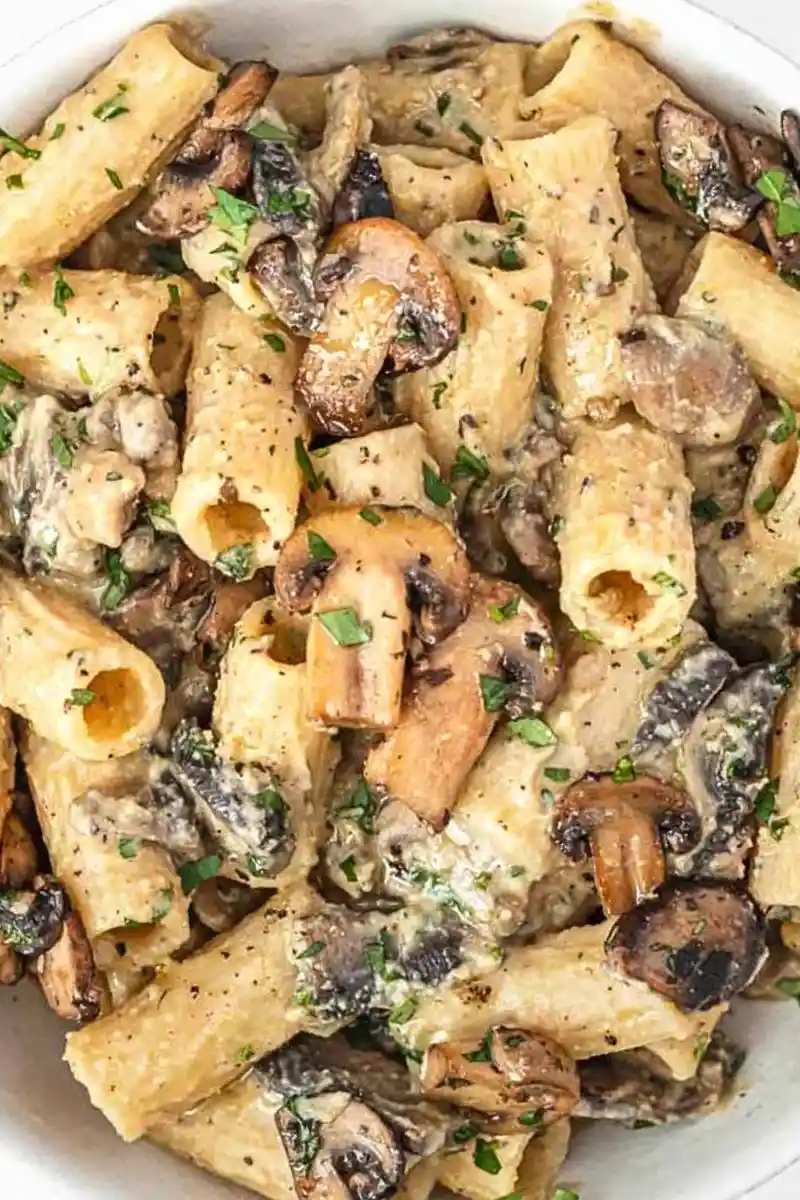
List of ingredients
- 12 ounces pasta – rigatoni is recommended for better sauce capture.
- 1 pound mushrooms – use white button, cremini, or baby bella.
- 1 tablespoon extra virgin olive oil – for sautéing the vegetables.
- 1 teaspoon salt – for seasoning the mushrooms.
- 1/8 teaspoon black pepper – for base flavor.
- 1 clove garlic – grated for an aromatic punch.
- 2 tablespoons parsley – freshly chopped for a bright finish.
- 1 heaping cup hummus – classic or tahini-free varieties work best.
step-by-step instructions
- Boil the pasta: Bring a large pot of salted water to a boil and add 12 ounces of pasta. Cook until al dente, then reserve two cups of the starchy pasta water before draining.
- Sauté the mushrooms: Clean and slice 1 pound of mushrooms into thin 4mm pieces. Heat 1 tablespoon of olive oil in a large skillet over medium-high heat, then add the mushrooms, grated garlic, salt, and black pepper.
- Brown the vegetables: Cook the mushrooms for 12 to 15 minutes until they are well-browned. Tip: Start boiling your pasta about 10 minutes into the mushroom cooking process.
- Prepare the sauce: Stir in one heaping cup of hummus and one cup of the reserved pasta water. Cook on low heat, stirring constantly, until the mixture becomes creamy.
- Combine: Turn off the heat and toss in the drained pasta. Stir until the noodles are fully coated in the hummus sauce.
- Adjust consistency: If the sauce is too thick, add more reserved pasta water one tablespoon at a time until you reach your preferred thickness.
- Garnish and serve: Serve immediately with chopped parsley, freshly cracked black pepper, and a drizzle of extra virgin olive oil. Optionally, sprinkle with one tablespoon of grated parmesan cheese.
Choosing the Best Pasta Shapes
Rigatoni for Maximum Sauce Retention
Rigatoni’s large tubes and ridges are ideal for catching thick hummus sauce. This ensures every bite is packed with flavor rather than the sauce sliding off the noodle.
Penne and Ziti for Classic Textures
These tubular shapes also work well and provide a familiar mouthfeel. They are slightly smaller than rigatoni but still trap the sauce effectively in their centers.
Fusilli and Rotini for Sauce Clinging
Spiral pastas like fusilli create nooks and crannies that hold onto the creamy sauce. These are excellent choices if you prefer a more intricate texture and higher sauce-to-pasta ratio.
Gluten-Free Pasta Alternatives
Chickpea or brown rice pasta can be used for a gluten-free version of this meal. Be careful not to overcook these alternatives, as they can break down faster than wheat pasta.
Mastering the Mushroom Sauté
Using Baby Bella and Cremini for Depth
These mushrooms offer a meatier flavor and darker color than standard white button mushrooms. They hold their shape better during the high-heat sauté process.
Preventing Mushroom Wateriness
Avoid overcrowding the pan, as this causes mushrooms to steam in their own juices rather than brown. Cook them in a single layer to allow moisture to evaporate quickly.
Slicing Techniques for Even Browning
Aim for consistent slices about 4mm thick. Uniform pieces ensure that all mushrooms cook at the same rate and develop a golden-brown crust simultaneously.
Using Frozen Mushrooms
If using frozen mushrooms, thaw them completely and pat them dry with paper towels before cooking. This prevents excess water from diluting the hummus sauce later.
Optimizing the Hummus Sauce
Store-Bought versus Homemade Hummus
Both options work well for this recipe depending on your time constraints. Store-bought is convenient, while homemade allows you to control the garlic and tahini levels.
The Role of Starchy Pasta Water
Reserved pasta water contains starch that helps emulsify the hummus and oil. This creates a silky, cohesive sauce that adheres better to the pasta surfaces.
Adjusting Sauce Thickness
If the sauce feels too heavy or sticky, add the reserved water one tablespoon at a time. Stir continuously on low heat until the consistency is creamy and smooth.
Balancing the Salt and Pepper
Most hummus already contains salt, so taste the sauce before adding extra seasoning. Adjust with freshly cracked black pepper to cut through the richness of the chickpeas.
Creative Flavor Variations
Adding Caramelized Red Onions
Sauté red onions slowly until golden brown and mix them in with the hummus. This adds a natural sweetness that balances the savory, earthy notes of the mushrooms.
Incorporating Tomato Confit
Stir in slow-roasted garlic tomatoes and a pinch of red pepper flakes. The acidity of the tomatoes brightens the creamy base and adds a juicy texture.
Adding Sautéed Spinach and Lemon
Sauté a pound of spinach with garlic before adding the hummus to the pan. A squeeze of fresh lemon juice adds a zesty contrast to the rich chickpeas.
Adding Sun-Dried Tomatoes
Chopped sun-dried tomatoes provide a concentrated burst of umami and a chewy texture. They pair perfectly with both the mushrooms and the creamy hummus sauce.
Using Roasted Red Peppers
Blend roasted red peppers into the hummus before adding it to the pan. This creates a colorful, smoky, and creamy sauce that changes the visual appeal of the dish.
Serving Ideas and Side Dishes
Pairing with Fresh Leafy Salads
A light pear salad or a simple arugula salad adds a refreshing contrast. The acidity of a balsamic or lemon vinaigrette balances the richness of the hummus.
Adding a Crunch with Shaved Brussels Sprouts
A raw, shaved Brussels sprouts salad provides a crisp texture and a peppery bite. This complements the softness of the cooked pasta and creamy sauce.
Complementing with Fennel and Orange Salad
The anise flavor of fennel and the sweetness of orange create a bright, citrusy side dish. This cleanses the palate between bites of the savory pasta.
Pairing with a Zucchini Salad
Thinly sliced raw zucchini with lemon and olive oil is a healthy, light accompaniment. It adds a fresh, garden-like quality to the overall meal.
Proper Storage and Reheating Methods
Refrigerator Storage Limits
Store leftovers in an airtight container in the refrigerator for up to two days. The hummus sauce may thicken significantly as it cools down.
Using Reserved Water for Reheating
Save a small amount of pasta water to use when warming the dish back up. This helps restore the original creaminess without needing more fat.
Adding Fresh Hummus During Reheating
Stir in a tablespoon of fresh hummus when reheating the pasta in a pan. This refreshes the flavor and restores the smooth texture of the sauce.
Why Freezing is Not Recommended
The emulsion in hummus can break during the freezing and thawing process. This often results in a grainy or separated sauce that cannot be easily fixed.
Common Cooking Challenges
Fixing a Grainy Sauce Texture
If the sauce looks separated or grainy, stir in a little more warm pasta water. Low heat and constant stirring will help re-emulsify the ingredients into a smooth cream.
Correcting Overly Salty Hummus
Add a splash of lemon juice or a pinch of sugar to balance excessive salt. You can also stir in a bit of unsalted Greek yogurt or cashew cream.
Preventing Mushy Pasta
Cook the pasta for one minute less than the package directions for al dente results. It will finish cooking perfectly when tossed in the warm hummus sauce.
Achieving the Perfect Mushroom Brown
Use a high-smoke point oil and avoid stirring the mushrooms too frequently. Let them sear undisturbed for a few minutes to develop a deep brown crust.
Frequently Asked Questions
Can I make this recipe vegan?
Yes, simply ensure the hummus is dairy-free and omit the parmesan cheese. Most store-bought hummus brands are naturally vegan.
Which type of hummus works best?
Classic hummus or a tahini-free version works best for this dish. Avoid highly flavored versions like roasted red pepper unless you want to significantly change the flavor profile.
Can I use other vegetables instead of mushrooms?
You can substitute mushrooms with sautéed zucchini, eggplant, or cauliflower. Just ensure they are cooked until tender and browned before adding the sauce.
How do I prevent the sauce from separating?
Ensure you remove the pan from the heat before adding the cooked pasta. Overheating hummus for too long can cause the oils to separate from the solids.
Print
Creamy Hummus and Mushroom Pasta
- Total Time: 25 minutes
- Yield: 4 servings 1x
- Diet: Vegetarian
Description
Creamy hummus paired with tasty sauteed mushrooms and al dente rigatoni, make a quick and scrumptious hummus pasta.
Ingredients
- 12 ounces pasta (rigatoni)
- 1 pound mushrooms
- 1 tablespoon extra virgin olive oil
- 1 teaspoon salt
- 1/8 teaspoon black pepper
- 1 clove garlic (grated)
- 2 tablespoons parsley (chopped)
- 1 heaping cup hummus
Instructions
- Boil Pasta: Put a large pot of water to boil, season it with salt, and add 12 ounces pasta. When the pasta is cooked al dente, reserve two cups of pasta water, drain the pasta, and toss it in the pan with the sauce.
- Cook Mushrooms: Clean and chop 1 pound mushrooms into 1/6 or 4mm thin slices. Warm up 1 tablespoon extra virgin olive oil in a large skillet, then add the mushrooms, 1 clove garlic (grated), 1 teaspoon salt, and 1/8 teaspoon black pepper. Cook mushrooms on medium-high heat for 12 to 15 minutes or until browned.
- Make Sauce: Add 1 heaping cup hummus and one cup of reserved pasta water. Stir and cook on low heat until the hummus gets creamy. Taste and adjust for salt and pepper.
- Add Pasta: Turn the heat off, toss in the cooked pasta, and stir it until fully coated in the sauce. If the sauce is too thick, add more pasta water until you reach your desired consistency. Serve with freshly cracked pepper, 2 tablespoons parsley (chopped), a drizzle of extra virgin olive oil, and optionally a tablespoon of microbial-rennet parmesan cheese.
Notes
Store in the fridge in a covered bowl for up to 2 days. Reheat in a pan with a bit of fresh hummus, reserved pasta water, and a drizzle of olive oil. This recipe is not suitable for freezing.
- Prep Time: 10 minutes
- Cook Time: 15 minutes
- Category: Main Course
- Method: Stovetop
- Cuisine: American Italian
Nutrition
- Serving Size: 1 serving
- Calories: 469 kcal
- Sugar: 5 g
- Sodium: 811 mg
- Fat: 11 g
- Saturated Fat: 2 g
- Unsaturated Fat: 9 g
- Trans Fat: 0 g
- Carbohydrates: 76 g
- Fiber: 7 g
- Protein: 19 g
- Cholesterol: 0 mg