
This zesty seafood pasta combines the richness of cream cheese with the bright acidity of fresh lemon. It is a fast-cooking meal that delivers a sophisticated flavor profile in under 30 minutes.
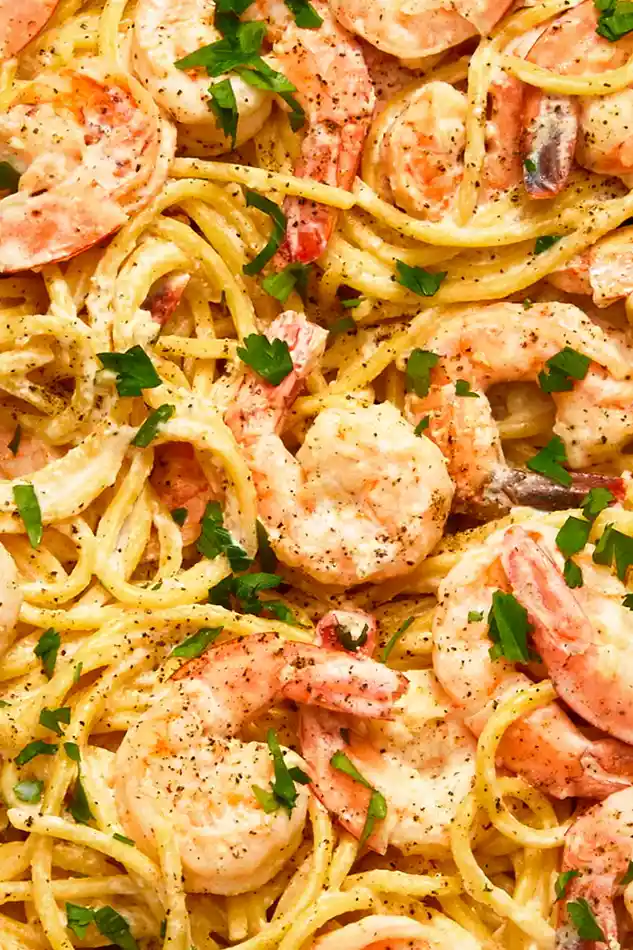
List of ingredients
- 3/4 lb. spaghetti – use a high-quality durum wheat pasta for better texture.
- 2 tbsp. extra-virgin olive oil – used for searing the shrimp.
- 1 1/2 lb. medium shrimp – ensure they are peeled and deveined.
- 3/4 tsp. kosher salt – plus additional amounts for the pasta water and final seasoning.
- 1/2 tsp. ground black pepper – plus extra for adjusting the heat level.
- 6 tbsp. fresh lemon juice – divided for the shrimp and the sauce, plus extra wedges for garnish.
- 2 tbsp. butter – used to sauté the garlic and build the sauce base.
- 3 cloves garlic – finely minced for even distribution of flavor.
- 1 (8-oz.) block cream cheese – cut into small cubes for faster melting.
- 1/4 cup freshly chopped parsley leaves – used as a fresh garnish to balance the richness.
step-by-step instructions
- Boil the Pasta: Bring a large pot of salted water to a boil. Cook the spaghetti according to the package instructions until it reaches an al dente texture. Before draining, reserve 1 cup of the starchy pasta water, then drain the noodles and return them to the pot.
- Sear the Shrimp: Heat the olive oil in a large, heavy-bottomed skillet over medium-high heat. Add the shrimp and season them with 3/4 teaspoon salt and 1/2 teaspoon pepper. Cook, tossing occasionally, until the shrimp turn pink and are just cooked through, which takes about 4 minutes. Stir in 2 tablespoons of lemon juice to coat the shrimp, then remove them from the skillet and set them aside on a plate.
- Create the Cream Sauce: Using the same skillet over medium-high heat, melt the butter. Add the minced garlic and cook for 30 seconds until fragrant. Pour in the remaining 1/4 cup of lemon juice and simmer for 1 minute until the liquid has reduced by half. Whisk in 3/4 cup of the reserved pasta water and the cubed cream cheese. Continue whisking over a simmer until the cream cheese is completely melted and the sauce is smooth.
- Combine and Serve: Add the cooked spaghetti and the seared shrimp back into the skillet. Toss everything together until the pasta is thoroughly coated in the sauce. If the sauce is too thick, add more reserved pasta water to reach your desired consistency. Season with additional salt and pepper to taste. Garnish with chopped parsley and serve immediately with lemon wedges on the side.
Expert Tips for Perfect Seafood Pasta
Pat Shrimp Dry Before Searing
Moisture on the surface of the shrimp creates steam when they hit the pan, which prevents them from searing. Use paper towels to pat the shrimp completely dry so they develop a golden-brown crust and a deeper flavor.
Monitor Shrimp Shape to Avoid Overcooking
Shrimp cook very quickly and can become rubbery if left too long. Watch for the shape: they are perfectly cooked when they curl into a ‘C’ shape; if they curl tightly into an ‘O’ shape, they are likely overcooked.
Cube Cream Cheese for Even Melting
Adding a whole block of cream cheese can lead to clumps in the sauce. By cutting the cheese into small, uniform cubes, it integrates into the lemon-butter base more quickly and results in a velvety smooth texture.
Utilize Starchy Pasta Water
The reserved pasta water contains starch that acts as an emulsifier. This helps the fats from the butter and cream cheese bind to the pasta noodles, preventing the sauce from separating or sliding off the spaghetti.
Ingredient Substitutions and Alternatives
Substituting Different Pasta Shapes
While spaghetti is traditional, linguine or fettuccine work exceptionally well because their wider surface area holds more of the creamy sauce. For a gluten-free option, use a brown rice or corn-based pasta, though you may need more pasta water to achieve the same consistency.
Alternative Seafood Proteins
You can replace the shrimp with scallops or bay scallops for a different texture. If using scallops, sear them quickly on high heat for 2 minutes per side and add them at the very end to ensure they remain tender.
Dairy-Free Creamy Options
To make this recipe dairy-free, replace the butter with a plant-based butter alternative and the cream cheese with a cashew-based cream cheese. Ensure the plant-based substitute can withstand medium-high heat without breaking.
Using Bottled Lemon Juice
Freshly squeezed lemon juice provides the best brightness and aromatic quality. If using bottled juice, reduce the amount by 10% as concentrated bottled juices can sometimes be overly acidic or bitter.
Flavor Variations and Additions
Incorporating Fresh Green Vegetables
Adding two cups of fresh baby spinach or chopped kale during the final tossing stage adds color and nutrients. The residual heat from the pasta and sauce will wilt the greens perfectly without overcooking them.
Adding a Spicy Kick
For those who prefer a bit of heat, stir in 1/2 teaspoon of red pepper flakes when sautéing the garlic. This infuses the butter with a subtle warmth that complements the acidity of the lemon.
Enhancing Saltiness with Capers
Adding a tablespoon of drained capers provides a briny contrast to the rich cream cheese. Stir them in at the same time as the parsley for a Mediterranean-inspired flavor profile.
Integrating Hard Cheeses
While cream cheese provides the body, stirring in 1/4 cup of freshly grated Parmesan or Pecorino Romano adds a salty, nutty depth. Add the cheese after removing the pan from the heat to prevent the proteins from clumping.
Serving and Presentation Ideas
Ideal Side Dish Pairings
Pair this dish with a crisp green salad tossed in a light vinaigrette to balance the richness of the cream sauce. Roasted asparagus or sautéed broccolini also complement the lemon-pepper flavors well.
Plating for Visual Appeal
Use tongs to twirl the pasta into a high mound in the center of the plate. Arrange the shrimp on top and around the sides, ensuring the sauce is evenly distributed across the noodles.
Strategic Garnishing
Beyond the parsley, a light dusting of freshly cracked black pepper adds visual contrast. Placing a fresh lemon wedge on the side of the plate allows diners to customize the acidity to their preference.
Storage and Reheating Guidelines
Refrigeration and Shelf Life
Store leftovers in an airtight container in the refrigerator for up to two days. Seafood pasta does not keep as long as vegetable-based pasta due to the perishability of the shrimp and cream.
Avoiding the Freezer
It is not recommended to freeze this dish. The cream cheese and pasta water emulsion will break upon thawing, leaving the sauce grainy and the shrimp with a rubbery texture.
Proper Reheating Techniques
Avoid the microwave if possible, as it can overcook the shrimp and separate the sauce. Instead, reheat the pasta in a skillet over low heat, adding a splash of water or milk to loosen the sauce back to its original consistency.
Make-Ahead Advice
Prepping Seafood in Advance
You can peel and devein the shrimp several hours before cooking. Store them in a sealed container with a damp paper towel to keep them moist, but keep them chilled until the moment they hit the pan.
Preparing the Aromatics
Mince the garlic and chop the parsley ahead of time. Store the chopped parsley in a small container with a teaspoon of water to keep it from wilting before service.
Pre-boiling Pasta
If you are short on time, you can boil the pasta early and toss it with a small amount of olive oil to prevent sticking. When ready to eat, simply add it to the finished sauce and heat through for 1-2 minutes.
Troubleshooting Common Issues
What to do if the sauce is too thick
If the sauce becomes too heavy or clumpy, stir in the remaining reserved pasta water one tablespoon at a time. If you have run out of pasta water, a tablespoon of heavy cream or whole milk can also loosen the texture.
What to do if the sauce is too thin
Allow the sauce to simmer for an additional minute before adding the pasta. If it remains too thin, you can whisk in an extra tablespoon of cream cheese to thicken the emulsion.
How to fix a broken sauce
If the sauce separates into oil and solids, it is usually due to excessive heat. Remove the pan from the burner and whisk vigorously while adding a small amount of room-temperature pasta water to bring the emulsion back together.
Addressing an overly acidic taste
If the lemon flavor is too dominant, add a pinch of sugar or a small knob of extra butter. This helps neutralize the sharp acidity without altering the overall flavor profile of the dish.
Frequently Asked Questions
Can I use frozen shrimp for this recipe?
Yes, you can use frozen shrimp. Ensure they are completely thawed and patted dry before cooking to ensure they sear properly instead of steaming in the pan.
Does the cream cheese have to be full-fat?
Full-fat cream cheese is recommended for the best emulsion and flavor. Low-fat versions may not melt as smoothly and can result in a grainier sauce texture.
Can I use a different type of oil?
You can substitute extra-virgin olive oil with avocado oil or light olive oil. Avoid using strongly flavored oils like toasted sesame oil, as they will clash with the lemon and garlic.
How do I keep the garlic from burning?
Sauté the garlic over medium heat and only for about 30 seconds. As soon as you smell the fragrance, immediately add the lemon juice to lower the temperature of the pan and stop the garlic from browning.
Print
Creamy Lemon-Pepper Shrimp Spaghetti
- Total Time: 25 minutes
- Yield: 4 servings 1x
- Diet: Nut-Free
Description
Creamy Lemon-Pepper Shrimp Spaghetti from Delish.com is everything you want seafood pasta to be.
Ingredients
- 3/4 lb. spaghetti
- 2 tbsp. extra-virgin olive oil
- 1 1/2 lb. medium shrimp, peeled and deveined
- 3/4 tsp. kosher salt
- 1/2 tsp. ground black pepper
- 6 tbsp. fresh lemon juice
- 2 tbsp. butter
- 3 cloves garlic, minced
- 1 (8-oz.) block cream cheese, cubed
- 1/4 c. freshly chopped parsley leaves
Instructions
- Step 1: In a large pot of salted boiling water, cook spaghetti according to package directions until al dente. Drain, reserving 1 cup pasta water, and return to pot.
- Step 2: Meanwhile, in a large heavy bottomed skillet over medium-high heat, heat oil. Add shrimp and season with ¾ teaspoon salt and ½ teaspoon pepper. Cook, tossing occasionally, until shrimp is pink and just cooked through, about 4 minutes. Add 2 tablespoons lemon juice and toss to coat. Remove shrimp from skillet and reserve on a plate.
- Step 3: In the same skillet over medium-high heat, melt butter. Add garlic and cook until fragrant, 30 seconds. Add remaining ¼ cup lemon juice and cook, until reduced by half, 1 minute. Whisk in ¾ cup reserved pasta water and cream cheese. Bring to a simmer, whisking constantly, until cream cheese is completely melted into the sauce.
- Step 4: Add cooked pasta and shrimp to skillet and toss to coat. Add more reserved pasta water if necessary to loosen sauce. Season to taste with more salt and pepper. Garnish with parsley and serve with lemon wedges.
Notes
Reserve a cup of pasta water to help emulsify the cream cheese sauce to your desired consistency.
- Prep Time: 10 minutes
- Cook Time: 15 minutes
- Category: Main Dish
- Method: Stovetop
- Cuisine: Italian
Nutrition
- Serving Size: 1 serving
- Calories: 780 kcal
- Sugar: 8 g
- Sodium: 1050 mg
- Fat: 42 g
- Saturated Fat: 22 g
- Unsaturated Fat: 18 g
- Trans Fat: 0 g
- Carbohydrates: 52 g
- Fiber: 4 g
- Protein: 38 g
- Cholesterol: 210 mg