
This recipe delivers a perfect balance of sweet and spicy flavors with a satisfyingly crisp texture. It is an efficient meal that brings authentic Korean-inspired tastes to your table in under 30 minutes.

List of ingredients
- 1 lb jumbo shrimp (peeled and deveined) – provides a hearty texture.
- 1/3 cup cornstarch (or potato starch) – creates the crispy outer layer.
- 1/2 tsp garlic powder – adds a layer of savory flavor.
- 1/8 tsp black pepper – provides a subtle, warm spice.
- 1/4 cup vegetable oil (or any neutral oil) – used for frying.
- 1 green onion (finely chopped) – optional for fresh garnish.
- 1/2 tsp sesame seeds – optional for nutty garnish.
- 1 tbsp gochujang – Korean red chili paste for the main flavor.
- 1 tbsp honey – adds sweetness and a sticky glaze.
- 1/2 tbsp sesame oil – adds a distinct toasted aroma.
- 1/2 tbsp regular soy sauce – provides essential saltiness.
- 2 cloves garlic (minced) – adds fresh, aromatic pungency.
- 1 tbsp cornstarch (or potato starch) – thickens the final sauce.
- 1/2 cup cold water – balances the sauce consistency.
step-by-step instructions
- Coat the shrimp: In a large mixing bowl, add shrimp, cornstarch, garlic powder, and black pepper. Mix gently until every shrimp is thoroughly and evenly coated in the seasoning.
- Prepare the glaze: In a small bowl, whisk together the gochujang, honey, sesame oil, soy sauce, minced garlic, cornstarch, and cold water. Set this mixture aside until the shrimp are cooked.
- Fry the shrimp: Heat the vegetable oil in a large pan over medium-high heat. Fry the shrimp until they are crispy and golden brown on both sides.
- Toss with sauce: Lower the heat to medium-low. Stir the sauce again to incorporate any settled cornstarch, then pour it over the shrimp. Gently toss to coat without breaking the crispy crust. Garnish with green onions and sesame seeds.
Optimizing Your Shrimp Selection
Benefits of Using Jumbo Shrimp
Jumbo shrimp are ideal because they provide a meaty texture that holds up well to the frying process. They are less likely to overcook as quickly as smaller shrimp, allowing you to achieve a golden crust without drying out the center.
Avoid Using Colossal Sizes
While large shrimp are good, colossal sizes can be problematic. Their thickness often results in the exterior becoming too dark or burnt before the interior is fully cooked through, leading to uneven results.
Thawing and Drying Techniques
If using frozen shrimp, thaw them completely in the refrigerator or under cold running water. Always pat the shrimp completely dry with paper towels before adding cornstarch to ensure the coating adheres properly and to prevent oil splatters.
Mastering the Sauce Components
Understanding Gochujang Heat Levels
Gochujang varies in spice depending on the brand and variety. If you prefer a milder dish, look for tubs labeled mild; for those who enjoy more heat, a hot variety will intensify the spicy kick of the glaze.
Selecting Honey Alternatives
If honey is unavailable, maple syrup or brown rice syrup work as excellent replacements. These alternatives provide the necessary thickness and sweetness to balance the fermented heat of the chili paste.
Managing the Soy Sauce Saltiness
Because gochujang already contains a significant amount of salt, you can use low-sodium soy sauce or coconut aminos. This prevents the final dish from becoming overly salty while still providing the necessary umami depth.
Achieving the Perfect Crunch
Maintaining Optimal Oil Temperature
Ensure your oil is shimmering and hot before adding the shrimp to create an immediate sear. If the oil is too cool, the cornstarch will absorb the fat, resulting in a greasy texture rather than a crisp one.
Preventing Pan Overcrowding
Fry the shrimp in batches if you are using a smaller pan. Overcrowding the surface area lowers the oil temperature and causes the shrimp to steam in their own moisture, which ruins the golden-brown coating.
Selecting the Right Starch
Cornstarch is the standard for a crispy finish, but potato starch can provide a lighter, more translucent crunch. Both are suitable, but potato starch is often preferred in professional Korean fried dishes for a superior texture.
Flavor Customization and Variations
Increasing the Spicy Profile
To add more heat beyond the gochujang, stir in a pinch of crushed red pepper flakes or a teaspoon of sriracha. These additions introduce a sharper, more immediate heat that complements the fermented depth of the paste.
Adding More Aromatic Depth
You can increase the amount of minced garlic or add a small amount of grated ginger to the sauce. Ginger adds a zesty, bright note that cuts through the richness of the fried shrimp and the sweetness of the honey.
Using Alternative Proteins
This glaze works well with diced chicken breast or extra-firm tofu. If using chicken, ensure the pieces are cut small and cooked through completely, as they require a longer cooking time than shrimp.
Serving and Pairing Ideas
Ideal Grain Accompaniments
Serve this dish over steamed jasmine rice or brown rice to soak up the excess honey glaze. For a lower-carb option, cauliflower rice provides a neutral base that allows the spicy flavors to stand out.
Complementary Vegetable Sides
Pair the shrimp with steamed bok choy, sautéed spinach, or a refreshing Korean cucumber salad. The crispness and acidity of these vegetables balance the richness of the fried seafood and the sweet sauce.
Presentation Tips
Arrange the shrimp on a platter and garnish generously with sliced green onions and toasted sesame seeds. Adding a wedge of lime on the side allows guests to add a burst of acidity to brighten the overall flavor.
Storage and Reheating Guidance
Refrigeration and Shelf Life
Store leftover shrimp in an airtight container in the refrigerator for up to four days. Be aware that the crispy coating will naturally soften over time as it absorbs moisture from the sauce.
Best Reheating Methods
To restore some of the crispiness, reheat the shrimp in a skillet over medium heat for 2-3 minutes. While a microwave is faster, it will make the coating softer and more tender.
Avoid Freezing Cooked Shrimp
Freezing this dish is not recommended as it significantly alters the texture of the shrimp. Upon thawing, the coating often becomes mushy and the shrimp can become rubbery, losing the fresh quality of the original dish.
Common Troubleshooting Tips
Preventing Coating Separation
Avoid tossing the shrimp too aggressively once the sauce is added to the pan. A gentle folding motion ensures the glaze coats the shrimp without stripping away the cornstarch crust.
Fixing Sauce Consistency
If the sauce is too thick, whisk in a tablespoon of water at a time until it reaches a pourable consistency. If it is too thin, let it simmer for an extra minute before adding the shrimp to reduce the liquid.
Avoiding Rubbery Shrimp
Cook the shrimp only until they turn opaque and form a ‘C’ shape. If they curl tightly into an ‘O’ shape, they are overcooked and will have a tough, rubbery consistency.
Frequently Asked Questions
Can I use frozen shrimp for this recipe?
Yes, frozen shrimp work perfectly as long as they are fully thawed and patted dry before coating. This ensures the cornstarch sticks and the shrimp fry evenly.
Is there a substitute for gochujang?
Gochujang has a unique fermented flavor that is hard to replace. However, a mixture of sriracha, miso paste, and a touch of honey can provide a similar, though less authentic, flavor profile.
Can I make the sauce in advance?
Yes, the sauce can be mixed up to two days in advance and stored in a sealed jar. Just remember to shake it well before using it, as the cornstarch will settle at the bottom.
What oil is best for frying the shrimp?
Any neutral oil with a high smoke point is ideal, such as vegetable, canola, or grapeseed oil. Avoid using extra virgin olive oil, as it can burn at the temperatures required for crisping.
Print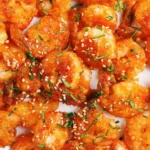
Crispy Korean Gochujang Honey Shrimp
- Total Time: 30 minutes
- Yield: 4 servings 1x
- Diet: General
Description
A sweet, spicy sesame shrimp dish with Korean flavors. A quick and easy shrimp recipe made in 30 minutes or less.
Ingredients
- 1 lb jumbo shrimp, peeled and deveined
- 1/3 cup cornstarch or potato starch
- 1/2 tsp garlic powder
- 1/8 tsp black pepper
- 1/4 cup vegetable oil
- 1 green onion, finely chopped
- 1/2 tsp sesame seeds
- 1 tbsp gochujang
- 1 tbsp honey
- 1/2 tbsp sesame oil
- 1/2 tbsp regular soy sauce
- 2 cloves garlic, minced
- 1 tbsp cornstarch or potato starch
- 1/2 cup cold water
Instructions
- Season & Coat: In a large mixing bowl, add shrimp, cornstarch, garlic powder, and black pepper; gently mix until each shrimp is well coated.
- Make Sauce: In a small bowl, whisk together gochujang, honey, sesame oil, soy sauce, minced garlic, cornstarch, and cold water until well combined. Set aside.
- Fry Shrimp: Heat vegetable oil in a large pan on medium-high heat and fry shrimp until crispy and golden on both sides.
- Add Sauce & Toss: Reduce heat to low-medium, mix the sauce again to lift the cornstarch, and pour it over the shrimp. Gently toss to coat without removing the crispy layer. Garnish with green onions and sesame seeds.
Notes
Use jumbo shrimp for the best texture. Avoid over-tossing the shrimp in the sauce to ensure the crispy coating remains intact.
- Prep Time: 10 minutes
- Cook Time: 20 minutes
- Category: Main Course
- Method: Stir-frying
- Cuisine: Korean
Nutrition
- Serving Size: 1 serving
- Calories: 197 kcal
- Sugar: 4 g
- Sodium: 129 mg
- Fat: 16 g
- Saturated Fat: 1 g
- Unsaturated Fat: 14 g
- Trans Fat: 1 g
- Carbohydrates: 14 g
- Fiber: 1 g
- Protein: 22 g
- Cholesterol: 185 mg