
This garlic butter shrimp scampi is a fast, restaurant-quality meal that comes together in just 20 minutes. It is ideal for a quick weeknight dinner or as an impressive appetizer for company.
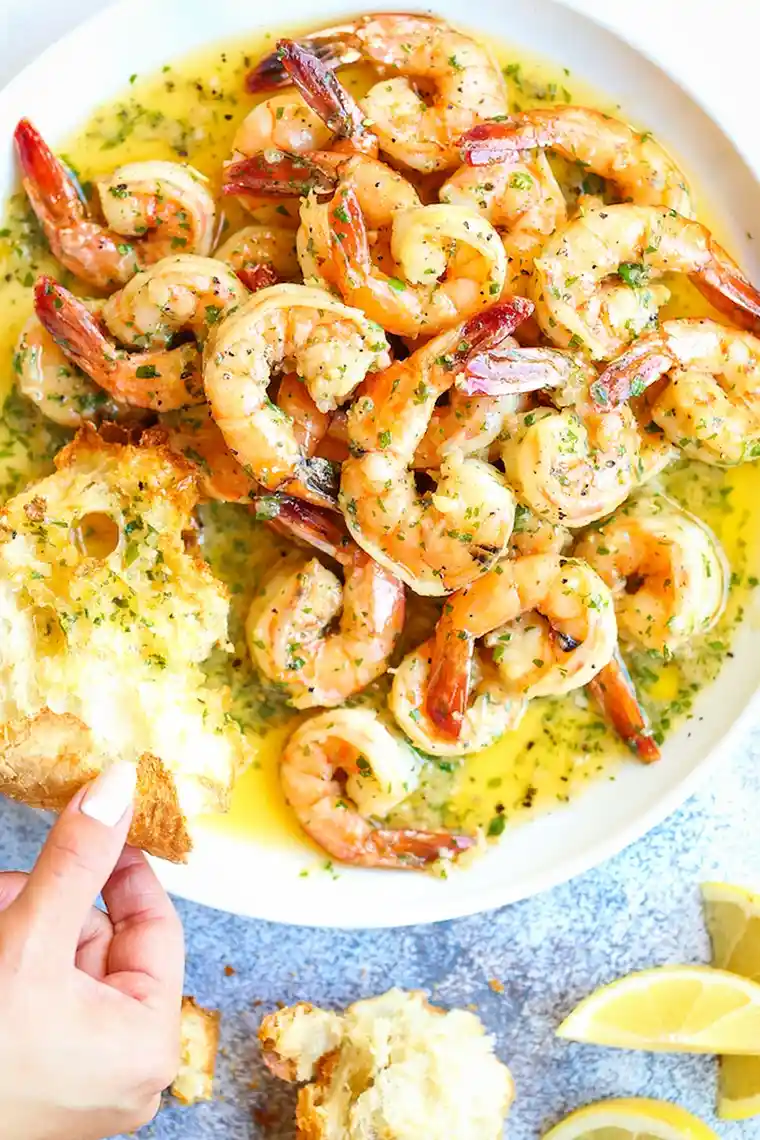
List of ingredients
- 1/2 cup unsalted butter, cubed – provides a rich, creamy base for the sauce.
- 4 cloves garlic, minced – adds a pungent, aromatic depth.
- 1 medium shallot, diced – provides a subtle, sweet onion flavor.
- 1/4 teaspoon crushed red pepper flakes – adds a hint of spicy heat.
- 1 1/2 pounds medium shrimp, peeled and deveined – the main protein source.
- Kosher salt, to taste – enhances all other flavors.
- Freshly ground black pepper, to taste – adds a subtle woody spice.
- 3 tablespoons chopped fresh parsley leaves – provides a bright, herby finish.
- 2 teaspoons lemon zest – adds concentrated citrus aroma.
- 1 tablespoon freshly squeezed lemon juice – cuts through the richness of the butter.
step-by-step instructions
- Sauté Aromatics: Melt the butter in a large cast iron skillet over medium heat. Add the minced garlic, diced shallot, and red pepper flakes, stirring frequently for about 2 minutes until fragrant.
- Cook Shrimp: Add the shrimp to the skillet and season with salt and black pepper to taste. Cook, stirring occasionally, until the shrimp are pink and opaque, which typically takes 3-4 minutes.
- Finish Sauce: Stir in the chopped fresh parsley, lemon zest, and lemon juice to brighten the flavors.
- Serve: Remove from heat and serve immediately while hot.
Choosing the Best Shrimp
Wild-Caught vs. Farmed Shrimp
Wild-caught shrimp are harvested from their natural habitats and are often preferred for their more robust and natural taste. Farmed shrimp are raised in controlled aquaculture environments. Both work well, but wild shrimp often offer a cleaner flavor profile.
The Advantage of Frozen Shrimp
Unless you live on the coast, most fresh shrimp at the store were previously frozen at sea. Flash-frozen shrimp preserve the quality and texture better than those kept on ice for long periods. Use high-quality frozen shrimp for consistent results.
Understanding Shrimp Sizing
Shrimp size is determined by the count per pound; the smaller the number, the larger the shrimp. Medium shrimp typically range from 40-50 per pound. Keep in mind that larger shrimp require slightly more cooking time than smaller ones.
Thawing Frozen Shrimp Safely
For the best texture, thaw shrimp overnight in the refrigerator. For a faster method, place them in a colander and run cold water over them for 5-10 minutes. Avoid using warm water, as it can begin to cook the outer layers.
Pro Cooking Techniques
Drying Shrimp for a Proper Sear
Pat the shrimp dry with paper towels before adding them to the pan. Excess moisture creates steam, which prevents the shrimp from browning. A dry surface ensures a caramelized sear and deeper flavor.
Preventing Pan Overcrowding
Avoid filling the skillet too tightly with shrimp. Overcrowding lowers the temperature of the pan and causes the shrimp to release moisture. Cook in batches if necessary to maintain a high heat for a better sear.
Identifying Correct Doneness
Watch for the shrimp to curl into a loose ‘C’ shape and turn opaque pink. If they curl tightly into an ‘O’ shape, they are likely overcooked. Overcooked shrimp become rubbery and lose their tenderness.
Benefits of a Cast Iron Skillet
A cast iron skillet retains heat more effectively than non-stick pans. This stability ensures that the butter doesn’t cool down when the shrimp are added. This results in a more consistent cook and better browning.
Serving and Pairing Ideas
Pairing with Long-Strand Pastas
This scampi is traditionally served over angel hair pasta for a light feel. Linguine or fettuccine are also excellent choices as they hold onto the garlic butter sauce well. Toss the cooked pasta directly into the pan for maximum flavor.
Using Crusty Bread for Dipping
Serve the shrimp with a warm baguette or sourdough bread. The porous nature of the bread is perfect for soaking up the remaining garlic butter sauce in the skillet. Toasted garlic bread is another popular accompaniment.
Complementary Vegetable Sides
Pair this dish with steamed asparagus or sautéed spinach to add color and nutrition. Roasted broccoli or a fresh Italian chopped salad also balance the richness of the butter sauce. These options add a necessary crunch and acidity.
Alternative Grain Bases
For a gluten-free alternative, serve the shrimp over white basmati rice or brown rice. Quinoa is another healthy option that absorbs the sauce effectively. These grains provide a heartier meal compared to pasta.
Customizations and Substitutions
Using Salted Butter
If you only have salted butter, you can still use it in this recipe. Simply reduce the amount of added kosher salt during the seasoning step. Taste the sauce at the end and adjust the salt levels as needed.
Replacing White Wine with Vegetable Broth
If you want to add more liquid to the sauce without using alcohol, use a splash of low-sodium vegetable broth. This maintains the savory profile while adding volume. It is an excellent way to create more sauce for pasta.
Alternative Citrus Options
While lemon is traditional, lime juice and zest can provide a zestier, more tropical twist. Orange zest can also be used for a slightly sweeter, citrusy aroma. Adjust the quantity to ensure the acid still balances the butter.
Substituting Shallots with Other Alliums
If shallots are unavailable, finely diced red onion or white onion can be used. Red onion provides a slightly sharper taste, while white onion is more neutral. For a milder flavor, use the white parts of green onions.
Storage and Reheating Guidance
Proper Refrigeration Methods
Store leftover shrimp scampi in an airtight container in the refrigerator. It is best consumed within 24 hours to maintain the best texture. Ensure the container is sealed tightly to prevent the shrimp from absorbing other fridge odors.
Avoid the Microwave for Reheating
Microwaving shrimp often leads to a rubbery and tough texture. Instead, reheat the dish in the oven at 325°F. Cover the dish with aluminum foil to trap moisture and prevent the butter from separating.
Preventing Sauce Separation
When reheating, the butter sauce may separate into oil and solids. Gently stir the sauce over low heat on the stove if you prefer a more emulsified consistency. Adding a teaspoon of water can help bring the sauce back together.
Make-Ahead Preparation Tips
You can mince the garlic and dice the shallots a day in advance and store them in the fridge. However, do not cook the shrimp ahead of time. Shrimp are best cooked and served immediately to avoid overcooking.
Troubleshooting Common Issues
Fixing a Broken Butter Sauce
If the butter separates and looks oily, whisk in a small amount of cold butter or a splash of warm water. This helps re-emulsify the sauce. Keep the heat low to prevent the butter from breaking again.
Preventing Rubbery Texture
Rubbery shrimp are almost always the result of overcooking. Set a timer for 3 minutes and check them frequently. Remove them from the heat the moment they turn opaque and form a loose curl.
Balancing Excessive Saltiness
If the dish tastes too salty, increase the amount of lemon juice. The acidity of the lemon helps neutralize the perception of salt. Adding a small amount of unsalted butter can also mellow the flavor.
Handling Burnt Garlic
Garlic burns quickly and becomes bitter. If the garlic turns dark brown, it is best to start over. To prevent this, ensure the butter is melted and the heat is medium before adding the aromatics.
Frequently Asked Questions
Why use unsalted butter?
Unsalted butter gives the cook complete control over the sodium levels in the dish. This ensures the final taste is balanced regardless of the butter brand used.
Can I use frozen shrimp?
Yes, frozen shrimp are often higher quality as they are flash-frozen at sea. Just ensure they are fully thawed and patted dry before cooking.
How do I know when shrimp is cooked?
Shrimp are done when they change from translucent gray to an opaque pink hue and curl into a ‘C’ shape.
What is the purpose of the lemon?
The lemon juice and zest provide acidity, which cuts through the heavy richness of the butter and enhances the flavor of the shrimp.
Can this be served as an appetizer?
Yes, this recipe works perfectly as an appetizer. Serve it in a bowl with toasted baguette slices for guests to dip into the sauce.
Print
Garlic Butter Shrimp Scampi
- Total Time: 20 minutes
- Yield: 4 servings 1x
- Diet: Pescatarian
Description
Juicy, garlicky sautéed shrimp with the dreamiest butter sauce! Made in just 20 min. Perfect for quick weeknight meals or to impress company!
Ingredients
- 1/2 cup unsalted butter, cubed
- 4 cloves garlic, minced
- 1 medium shallot, diced
- 1/4 teaspoon crushed red pepper flakes
- 1 1/2 pounds medium shrimp, peeled and deveined
- Kosher salt, to taste
- Freshly ground black pepper, to taste
- 3 tablespoons chopped fresh parsley leaves
- 2 teaspoons lemon zest
- 1 tablespoon freshly squeezed lemon juice
Instructions
- Step: Melt butter in a large cast iron skillet over medium heat. Add garlic, shallot and red pepper flakes, and cook, stirring frequently, until fragrant, about 2 minutes.
- Step: Add shrimp; season with salt and pepper, to taste. Cook, stirring occasionally, until pink and cooked through, about 3-4 minutes.
- Step: Stir in parsley, lemon zest and lemon juice.
- Step: Serve immediately.
Notes
Use a cast iron skillet for better heat retention and sear. High quality European butter provides a richer sauce. Pat shrimp dry before cooking to avoid steaming. For variety, add a splash of vegetable broth, diced tomatoes, or leafy greens, or serve over pasta. Reheat leftovers in the oven at 325°F covered in foil to avoid rubbery texture.
- Prep Time: 10 minutes
- Cook Time: 10 minutes
- Category: Main Course
- Method: Sautéing
- Cuisine: Italian-American
Nutrition
- Serving Size: 1 serving
- Calories: 380 kcal
- Sugar: 3 g
- Sodium: 650 mg
- Fat: 25 g
- Saturated Fat: 15 g
- Unsaturated Fat: 10 g
- Trans Fat: 0 g
- Carbohydrates: 6 g
- Fiber: 1 g
- Protein: 35 g
- Cholesterol: 210 mg