
This recipe creates a thick, comforting meal using bone-in chicken thighs for deep flavor. The dumplings are fluffy and steamed directly in the pot for a cohesive texture.

List of ingredients
- 1 tablespoon olive oil – used for browning the chicken skin.
- 6 bone-in, skin-on chicken thighs (about 2 pounds) – provides a rich base for the broth.
- Kosher salt and black pepper – used for seasoning throughout the dish.
- 4 stalks celery, chopped – adds aromatic depth.
- 4 carrots, chopped – adds natural sweetness and color.
- 2 onions, chopped – creates the aromatic foundation.
- 2 tablespoons fresh thyme leaves or 2 teaspoons dried thyme – adds earthy herbal notes.
- 2 cloves garlic, chopped – adds sharp, savory flavor.
- 2 bay leaves – infuses the simmering liquid with warmth.
- 2.5 cups all-purpose flour – divided for the thickening slurry and dumpling dough.
- 1 tablespoon baking powder – ensures the dumplings rise.
- 0.5 teaspoon baking soda – aids in leavening and texture.
- 6 tablespoons (¾ stick) unsalted butter, melted – adds richness to the dumplings.
- 0.75 cup buttermilk – provides acidity and tenderness to the dough.
- 2 tablespoons chopped fresh flat-leaf parsley leaves – used for mixing and garnish.
step-by-step instructions
- Brown the chicken: Heat the olive oil in a large pot or Dutch oven over medium-high heat. Season the chicken thighs with ½ teaspoon each of salt and pepper. Brown the chicken in batches for 4 to 6 minutes per side, then transfer the meat to a plate while keeping the drippings in the pot.
- Sauté aromatics: Add the chopped celery, carrots, onions, thyme, and garlic to the pot. Cook, stirring occasionally, for 5 to 7 minutes until the vegetables begin to soften.
- Simmer the broth: Return the browned chicken to the pot. Add the bay leaves and 10 cups of water. Bring the mixture to a simmer and cook for 25 to 30 minutes until the chicken is fully cooked through.
- Prepare the chicken: Remove the bay leaves and transfer the chicken to a plate to cool slightly. Use two forks to shred the meat into bite-sized pieces, discarding the skin and bones, and return the shredded chicken to the pot.
- Thicken the liquid: In a small bowl, whisk together ½ cup of the flour, 2 cups of the cooking liquid, and ¼ teaspoon each of salt and pepper. Slowly whisk this mixture back into the pot and simmer for 8 to 10 minutes until the broth thickens.
- Mix dumpling dough: In a medium bowl, whisk the remaining 2 cups of flour, baking powder, baking soda, and ¼ teaspoon each of salt and pepper. Stir in the melted butter, buttermilk, and chopped parsley until just combined.
- Cook the dumplings: Reduce the heat to low. Drop the dough into the simmering broth in 8 large spoonfuls. Cover the pot and simmer for 12 to 15 minutes until the dumplings are firm. Serve with additional fresh parsley.
Expert Cooking Tips
Brown the Chicken Thoroughly
Searing the skin on the chicken thighs creates a brown layer called fond at the bottom of the pot. This concentrated flavor dissolves into the water during the simmering process, creating a rich broth without needing store-bought stock. Ensure the oil is shimmering before adding meat to achieve a crisp, golden crust.
Use Room Temperature Buttermilk
Using buttermilk that is not ice-cold prevents the melted butter from seizing or clumping when mixed into the dough. This ensures a smooth, homogenous batter that drops easily into the pot. If your buttermilk is cold, let it sit on the counter for 15 minutes before use.
Avoid Overmixing the Dough
Stir the dumpling ingredients only until they are just combined. Overmixing develops too much gluten, which results in tough, chewy dumplings rather than light and fluffy ones. A few small lumps in the batter are acceptable and often lead to a better texture.
Use a Heavy-Bottomed Pot
A Dutch oven or a heavy-bottomed stockpot is ideal for this recipe because it distributes heat evenly. This prevents the thickened broth from scorching at the bottom during the final simmering stages. It also helps maintain a consistent steam environment for the dumplings.
Ingredient Substitutions
Swapping Chicken Thighs for Breasts
You can use boneless, skinless chicken breasts if preferred, though the flavor will be less intense. Since breasts cook faster and lean out quickly, reduce the initial simmering time to prevent the meat from becoming dry. You may need to add a tablespoon of butter to the sauté step to replace the lost fat from the skin.
Using Milk Instead of Buttermilk
If buttermilk is unavailable, you can create a substitute by adding one tablespoon of lemon juice or white vinegar to ¾ cup of whole milk. Let the mixture sit for five to ten minutes until it curdles slightly. This provides the necessary acidity to react with the baking soda for lift.
Gluten-Free Flour Options
For a gluten-free version, use a high-quality 1:1 gluten-free flour blend that contains xanthan gum. The thickening slurry may require a slightly longer simmering time to reach the desired consistency. The dumplings may be slightly denser than the traditional version but will still steam through.
Alternative Herbs for Thyme
If you do not have thyme, fresh rosemary or oregano are excellent alternatives. Rosemary provides a more pine-like aroma, while oregano offers a Mediterranean profile. Use the same quantities as specified for the thyme to keep the flavor balanced.
Flavor Variations
Adding Peas and Corn
For extra nutrition and color, stir in one cup of frozen peas and one cup of corn kernels during the final 10 minutes of simmering. These vegetables cook quickly and add a bright sweetness to the savory broth. They pair well with the shredded chicken and fluffy dumplings.
Incorporating Heavy Cream
To create a creamier, more indulgent base, stir in ½ cup of heavy cream after the thickening slurry has simmered. This adds a velvety mouthfeel and a richer color to the stew. Be sure to keep the heat low when adding cream to prevent it from separating.
Using Different Root Vegetables
Substitute some of the carrots with parsnips or turnips for a more complex, earthy flavor. Parsnips add a slight peppery sweetness that complements the thyme. Chop them to the same size as the carrots to ensure they cook at the same rate.
Adding a Squeeze of Lemon
Stir in one tablespoon of fresh lemon juice just before serving to brighten the overall flavor profile. The acidity cuts through the richness of the butter and buttermilk. This small addition enhances the taste of the chicken and the herbs.
Serving Suggestions
Pairing with Crusty Bread
Serve this dish with warm, toasted sourdough or a French baguette. The crusty bread is perfect for mopping up the thickened broth and adding a textural contrast to the soft dumplings. Brush the bread with garlic butter for extra flavor.
Serving with a Fresh Side Salad
A crisp green salad with a light vinaigrette balances the heaviness of the chicken and dumplings. Use mixed greens, sliced cucumbers, and a lemon-olive oil dressing. The acidity of the salad cleanses the palate between bites of the rich stew.
Garnishing with Fresh Herbs
While parsley is recommended, chopped chives or green onions add a mild onion flavor and a pop of color. Sprinkle these herbs on top of each individual bowl immediately before serving. Fresh herbs provide an aromatic lift that enhances the home-cooked feel.
Plating for Family Style
Transfer the stew to a large, warmed ceramic bowl for a family-style presentation. Use a slotted spoon to ensure each serving gets a fair share of dumplings and chicken. Place the bowl in the center of the table to keep the meal warm throughout the dinner.
Storage and Reheating
Refrigeration Guidelines
Store leftovers in an airtight container in the refrigerator for up to 3 to 4 days. Ensure the stew is cooled to room temperature before sealing the lid to prevent excess condensation. The broth will likely thicken further as it cools.
Freezing the Stew
While the broth and chicken freeze well, the dumplings can become mushy upon thawing. For best results, freeze the chicken and vegetable base separately in freezer bags. Cook fresh dumplings only when you are ready to reheat and serve the meal.
Best Reheating Methods
The stovetop is the best way to reheat this dish to maintain the texture of the dumplings. Heat over medium-low, stirring gently to avoid breaking the dumplings. If using a microwave, heat in short intervals and stir in between.
Managing Thickened Broth upon Reheating
Because the flour in the dumplings and broth continues to absorb liquid, the stew may look too thick after refrigeration. Add a splash of water or chicken stock during the reheating process to return it to a creamy consistency. Stir slowly to incorporate the extra liquid.
Make-Ahead Advice
Preparing the Base Broth
You can cook the chicken and vegetable base one day in advance. Once the chicken is shredded and the broth is thickened, cool it and store it in the fridge. This reduces the cooking time on the day of serving to only the dumpling stage.
Pre-chopping Vegetables
Perform all your knife work, including chopping the carrots, celery, and onions, before you start the stove. Store the chopped vegetables in a sealed container. This mise en place approach prevents the chicken from overcooking while you are still prepping the aromatics.
Mixing Dry Dumpling Ingredients
You can whisk together the flour, baking powder, baking soda, salt, and pepper in a jar or bag several days ahead. When you are ready to cook, simply add the melted butter and buttermilk. This simplifies the final steps of the recipe.
Troubleshooting Common Issues
Dumplings are Too Dense
Dense dumplings are usually the result of overmixing the dough or adding too much flour. Ensure you measure the flour by spooning it into the cup rather than scooping it, which can pack the flour down. Stop stirring as soon as the flour streaks disappear.
Broth is Too Thin
If the broth is not thick enough after adding the slurry, simmer it for an additional 5 to 10 minutes without a lid. This allows more water to evaporate and concentrates the thickener. Alternatively, whisk a small amount of extra flour with water and stir it in.
Dumplings are Raw in the Middle
This happens if the dumplings are dropped in too large or if the pot is not covered. The lid is essential because it traps steam, which cooks the center of the dumpling. Ensure you use a tight-fitting lid and do not peek until the timer is up.
Chicken is Too Dry
Dry chicken typically occurs from over-simmering or using breast meat without adjusting the time. Stick to the 25 to 30 minute window for thighs. If the meat feels dry, add a small amount of additional broth or butter to the pot before serving.
Frequently Asked Questions
Can I use a slow cooker?
Yes, you can brown the chicken and sauté vegetables first, then slow cook them on low for 6 to 8 hours. However, the dumplings must be added during the last 60 to 90 minutes of cooking. Do not stir the dumplings after adding them, or they will break apart.
Do I have to use bone-in chicken?
You can use boneless thighs, but the bones provide significant collagen and flavor to the broth. To compensate for the lack of bones, you can use a high-quality chicken stock instead of water. The result will still be delicious, though slightly less rich.
Why do I use both baking powder and baking soda?
Baking soda reacts with the acidic buttermilk to create immediate lift, while baking powder provides a second rise during the steaming process. Together, they ensure the dumplings are light and airy. Removing one may result in a flatter, denser dumpling.
How do I prevent the dumplings from sticking?
Space the dumpling spoonfuls at least one inch apart when dropping them into the broth. If they touch while raw, they will fuse together into one large mass. Keep the heat on low to prevent the bottom of the dumplings from scorching.
Print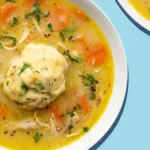
Hearty Homemade Chicken and Dumplings
- Total Time: 90 minutes
- Yield: 6 servings 1x
- Diet: General
Description
This easy chicken and dumplings recipe is the homemade dinner stable you’re missing. Here’s how to make chicken and dumplings like a chef.
Ingredients
- 1 tablespoon olive oil
- 6 bone-in, skin-on chicken thighs (about 2 pounds)
- kosher salt and black pepper
- 4 stalks celery, chopped
- 4 carrots, chopped
- 2 onions, chopped
- 2 tablespoons fresh thyme leaves or 2 teaspoons dried thyme
- 2 cloves garlic, chopped
- 2 bay leaves
- 2.5 cups all-purpose flour
- 1 tablespoon baking powder
- 0.5 teaspoon baking soda
- 6 tablespoons (¾ stick) unsalted butter, melted
- 0.75 cup buttermilk
- 2 tablespoons chopped fresh flat-leaf parsley leaves, plus more for serving
Instructions
- Step 1: Heat the oil in a large pot or Dutch oven over medium-high heat. Season the chicken with ½ teaspoon each salt and pepper. Brown in batches, 4 to 6 minutes per side. Transfer to a plate; reserve the pot.
- Step 2: Add the celery, carrots, onions, thyme, and garlic to the chicken drippings in the pot and cook, stirring, until the vegetables begin to soften, 5 to 7 minutes. Add the chicken, bay leaves, and 10 cups water. Bring to a simmer and cook until the chicken is cooked through, 25 to 30 minutes. Discard the bay leaves and transfer the chicken to a plate; let cool. Shred the chicken with 2 forks and return it to the pot (discarding the skin and bones).
- Step 3: Whisk together ½ cup of the flour, 2 cups of the cooking liquid, and ¼ teaspoon each salt and pepper in a small bowl. Slowly whisk the flour mixture back into the pot and simmer until slightly thickened, 8 to 10 minutes.
- Step 4: Make the dumplings: Whisk together the remaining 2 cups of flour, the baking powder, baking soda, and ¼ teaspoon each salt and pepper in a medium bowl. Whisk in the butter, buttermilk, and parsley. Reduce heat to low and drop the mixture into the broth in 8 large spoonfuls. Simmer, covered, until the dumplings are firm, 12 to 15 minutes. Serve the chicken and dumplings sprinkled with parsley.
Notes
Ensure you discard the skin and bones after shredding to keep the stew smooth.
- Prep Time: 20 minutes
- Cook Time: 70 minutes
- Category: Dinner
- Method: Simmering
- Cuisine: American
Nutrition
- Serving Size: 1 serving
- Calories: 580 kcal
- Sugar: 7 g
- Sodium: 850 mg
- Fat: 28 g
- Saturated Fat: 12 g
- Unsaturated Fat: 14 g
- Trans Fat: 0 g
- Carbohydrates: 42 g
- Fiber: 4 g
- Protein: 38 g
- Cholesterol: 130 mg