
This flavorful one-pot dish combines aromatic spices with protein-rich beans and fluffy rice. It is a versatile meal that serves as a filling dinner or a savory side for various proteins.
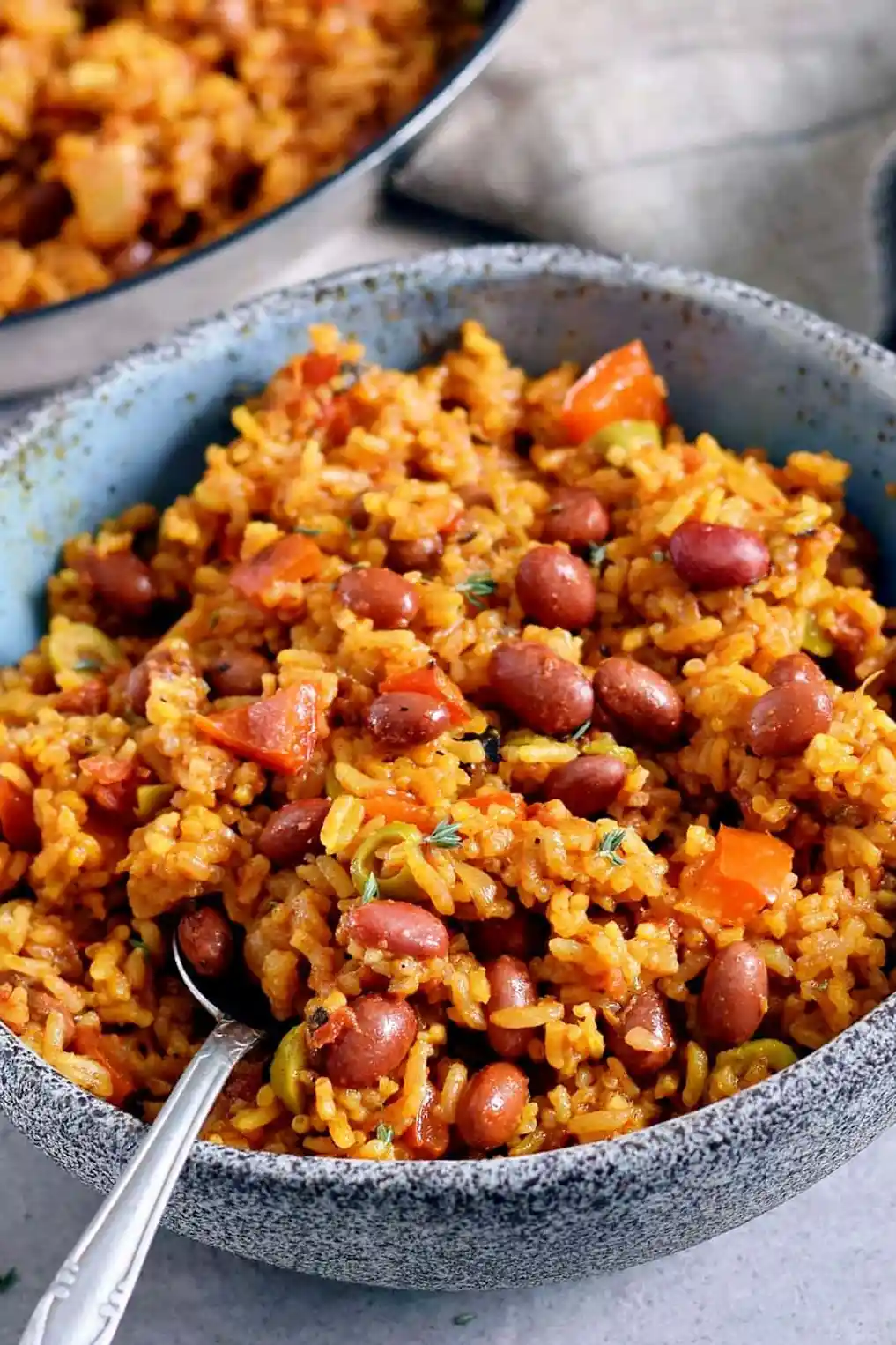
List of ingredients
- 1 tbsp oil – use vegetable broth if avoiding oil
- 1 medium onion – diced
- 1 medium red bell pepper – chopped
- 3-4 garlic cloves – minced
- 1 tsp ground cumin – for earthy warmth
- 1 tsp sweet paprika – adds mild sweetness
- 1 tsp dried oregano – for herbal depth
- 1/2 tsp smoked paprika – provides a woody aroma
- Pinch of red pepper flakes – for a hint of heat
- Salt and black pepper – adjusted to taste
- 1 1/2 cups white rice – uncooked
- 1 1/4 cups vegetable broth – adjust based on rice variety
- 1 1/4 cups salsa – use your preferred brand
- 1 (15 oz) can kidney beans – drained and rinsed
- 1/2 cup green olives – halved, optional
- Fresh herbs – cilantro or parsley for garnish
step-by-step instructions
- Prepare the rice: Soak the uncooked rice in cold or lukewarm water for 10 to 30 minutes, then drain the water. Tip: This process removes excess starch and prevents the rice from becoming overly sticky.
- Sauté the aromatics: Heat oil in a large skillet or pot and add the diced onion and chopped bell pepper. Sauté for about 3 minutes until softened.
- Add spices: Stir in the minced garlic, cumin, sweet paprika, dried oregano, smoked paprika, and red pepper flakes. Sauté for one additional minute to toast the spices. Tip: Do not overcook the garlic to avoid a bitter taste.
- Simmer the base: Pour in the rice, salsa, and vegetable broth, then bring the mixture to a boil. Note: If using a long-grain rice that requires more liquid, increase the amount of broth and salsa slightly.
- Cook covered: Cover the pot with a tight lid and simmer on the lowest heat setting for 15 to 20 minutes. Tip: Do not lift the lid or stir the rice during this time to ensure the steam cooks the grains evenly.
- Final touch: Turn off the heat and remove the lid. Taste the dish and adjust the salt, pepper, or cumin if needed.
- Mix and garnish: Stir in the rinsed kidney beans and optional halved olives. Garnish with fresh cilantro or parsley before serving.
Ingredient Selection and Substitutions
Using Different Types of Beans
While kidney beans provide a hearty texture, black beans are an excellent alternative for a more traditional Mexican flavor profile. Pinto beans also work well, offering a creamier consistency that blends smoothly with the rice. Always rinse canned beans thoroughly to remove excess sodium and canning liquids.
Choosing the Best Rice Variety
Basmati and Jasmine rice are recommended for their fast cooking times and light fragrance. For a more nutritious option, you can use brown rice, though it requires significantly more liquid and a longer simmering period. Check your rice package for specific water-to-grain ratios if substituting.
Selecting the Right Salsa for Flavor
A chunky salsa with visible pieces of onion and pepper adds great texture to the final dish. If you prefer a more uniform consistency, a smooth tomato-based salsa or a seasoned tomato sauce is a suitable replacement. Consider the salt content of your salsa before adding additional salt to the pot.
Using Vegetable Broth Alternatives
If you do not have store-bought broth, you can dissolve a vegetable bouillon cube in boiling water. For a lighter flavor, plain filtered water can be used, though you may need to increase the amount of cumin and paprika. Ensure the broth is low-sodium to maintain control over the overall seasoning.
Pepper Substitutions for Different Heat Levels
Red and orange bell peppers provide a sweet base, while green peppers offer a slightly more bitter, earthy taste. To increase the heat, replace the bell pepper with a diced poblano or add a finely chopped jalapeño. Remove the seeds from hot peppers to keep the spice level manageable.
Cooking Techniques for Perfect Texture
The Importance of Soaking Rice
Soaking the rice for at least 10 minutes helps the grains absorb water more evenly during the cooking process. This step reduces the amount of surface starch, which prevents the rice from clumping together. It results in a fluffier texture and a cleaner bite in every spoonful.
Mastering the Sauté Process
Sautéing the onion and bell pepper first develops a deeper flavor through the caramelization of natural sugars. Adding the spices during the last minute of sautéing allows the heat to release the essential oils in the paprika and cumin. This creates a more complex and aromatic base for the rice.
Why You Should Not Stir During Simmering
Stirring the rice while it simmers breaks the grains and releases excess starch into the liquid. This can lead to a mushy or porridge-like consistency rather than distinct grains. Keeping the lid sealed maintains the internal pressure and temperature necessary for steaming.
Adjusting Liquid Ratios for Brown Rice
Brown rice has a tougher outer bran layer that requires more hydration to soften. Increase the vegetable broth and salsa by about 50% when switching from white rice to brown rice. You will also need to increase the simmering time to approximately 40 to 50 minutes.
Determining When the Rice is Fully Cooked
The rice is done when the liquid has been completely absorbed and the grains are tender but not bursting. You can check this by poking a fork into the center of the pot to see if any liquid remains at the bottom. If the rice is still hard, add two tablespoons of broth and simmer for five more minutes.
Flavor Variations and Customizations
Adding Coconut Milk for Caribbean Style
To give the dish a creamy, tropical twist, replace a portion of the vegetable broth with canned coconut milk. This is a common technique in Caribbean cooking that balances the acidity of the salsa. The result is a richer, sweeter flavor profile that pairs well with kidney beans.
Incorporating Corn for Extra Texture
Adding a half-cup of frozen or canned corn during the final stir-in step provides a sweet pop of flavor. Corn complements the smokiness of the paprika and adds a bright yellow color to the dish. For extra depth, use roasted corn to add a charred aroma.
Making a Rice and Bean Casserole
You can turn this recipe into a baked casserole by transferring the cooked mixture into a baking dish. Top it with a layer of vegan cheese or breadcrumbs and bake at 350 degrees Fahrenheit until the top is golden. This variation is ideal for serving larger groups at gatherings.
Using this Mix as a Stuffed Pepper Filling
This rice and bean mixture makes an excellent filling for hollowed-out bell peppers. Stuff the peppers with the cooked mixture, drizzle with a bit of extra salsa, and bake until the peppers are tender. This transforms the dish into a visually appealing main course.
Increasing the Spice Level with Hot Sauce
For those who prefer a spicier meal, stir in a few dashes of your favorite hot sauce at the very end. Adding acidity through hot sauce or a splash of apple cider vinegar can brighten the heavy flavors of the beans. This is best done just before serving to keep the heat sharp.
Serving and Pairing Suggestions
Topping with Fresh Avocado
Slicing a ripe avocado on top of the rice and beans adds a creamy texture that contrasts with the grains. The healthy fats in the avocado help to mellow out the heat from the red pepper flakes. You can also mash the avocado into a simple guacamole with lime and salt.
Pairing with Plant-Based Sour Cream
A dollop of dairy-free sour cream or thick vegan yogurt adds a cooling element to the dish. This is particularly useful if you have increased the amount of smoked paprika or chili flakes. The tanginess of the cream cuts through the richness of the oil and beans.
Adding Fresh Lime Juice for Acidity
Squeezing fresh lime juice over the dish immediately before eating enhances all the other flavors. The citric acid breaks through the starchiness of the rice and the earthiness of the cumin. It provides a professional, bright finish to the home-cooked meal.
Serving as a Side for Grilled Proteins
This dish works perfectly as a side for grilled tofu, roasted cauliflower, or plant-based proteins. The savory nature of the rice complements charred vegetables and smoky grilled flavors. It provides a complete nutritional base that makes any protein feel like a full meal.
Adding Fresh Cherry Tomatoes on Top
Halved cherry tomatoes added as a garnish provide a fresh, juicy burst of acidity. They offer a visual contrast with their bright red color against the orange-hued rice. This addition makes the dish feel lighter and more like a summer meal.
Storage and Reheating Guide
Proper Refrigeration Methods
Store leftover rice and beans in an airtight container to prevent the rice from drying out. Ensure the dish has cooled slightly before sealing the lid to avoid excessive condensation inside the container. It will remain fresh and safe to eat for up to three days.
How to Freeze and Thaw Rice and Beans
This recipe freezes well if stored in freezer-safe bags or containers with the air squeezed out. To thaw, move the container to the refrigerator 24 hours before you plan to eat it. Avoid thawing at room temperature to ensure food safety and maintain texture.
Best Practices for Microwave Reheating
When reheating in a microwave, add a tablespoon of water or vegetable broth to the rice before heating. Cover the dish with a damp paper towel to create a steam chamber. Heat in short bursts, stirring in between, to ensure the center is hot without overcooking the edges.
Using a Skillet to Reheat for Texture
For a better texture, reheat the leftovers in a skillet over medium heat with a splash of oil or broth. This allows the bottom of the rice to crisp up slightly, mimicking the original cooking process. Stir gently to avoid breaking the beans or mashing the grains.
Reviving Dry Rice with Extra Liquid
Rice naturally absorbs moisture over time, which can make leftovers feel dry or hard. Add a small amount of vegetable broth or water during the reheating process to restore the fluffiness. Be careful not to add too much, or the dish will become watery.
Troubleshooting Common Issues
What to Do if the Rice is Too Mushy
Mushy rice usually happens if too much liquid was used or if the pot was stirred during simmering. To fix this, you can spread the rice on a baking sheet and put it in a low-temperature oven for a few minutes to evaporate excess moisture. In the future, strictly follow the liquid ratios for your specific rice type.
How to Fix Undercooked Rice Grains
If the rice is still crunchy after the timer goes off, add a quarter cup of hot broth and recover the pot. Simmer on the lowest heat for another 5 to 10 minutes. Using hot liquid instead of cold prevents the temperature from dropping and ensures even cooking.
Managing Too Much Liquid in the Pot
If the rice is cooked but there is still liquid at the bottom, remove the lid and increase the heat to medium-low. Stir gently for 2 to 3 minutes to cook off the remaining moisture. This process is called reducing and will help thicken the sauce clinging to the grains.
Balancing Overly Salty Flavors
If the salsa and broth made the dish too salty, stir in a small amount of unsalted cooked rice or more beans. Adding a squeeze of lime juice or a teaspoon of sugar can also help mask the excess salt. Avoid adding more salt until the very final tasting step.
Frequently Asked Questions
Can I use dry beans instead of canned?
Yes, you can use dry beans, but they must be soaked and cooked completely before being added to the rice. Add the pre-cooked beans during the final step as you would with canned beans. Cooking dry beans inside the rice pot is not recommended as they require much longer than the rice.
Is this recipe suitable for meal prep?
This dish is ideal for meal prep because it maintains its flavor and texture well over several days. Portion the rice into individual containers and add fresh toppings like avocado only when you are ready to serve. It provides a balanced meal of carbs and protein in one box.
How do I make this recipe spicier?
To increase the heat, you can add more red pepper flakes during the sauté step or stir in diced jalapeños. Adding a dash of cayenne pepper or a drizzle of sriracha at the end also works. Adjust the spice level gradually to ensure it remains palatable for all guests.
Can I use a different type of oil?
You can use any neutral cooking oil, such as avocado oil, sunflower oil, or canola oil. For a more buttery flavor, you can use vegan butter or a small amount of coconut oil. If you prefer an oil-free version, use vegetable broth to sauté the vegetables.
Print
Hearty Spanish Rice and Beans
- Total Time: 35 minutes
- Yield: 4 servings 1x
- Diet: Vegan, Gluten-free
Description
Rich and flavorful Spanish rice and beans, the perfect weeknight dinner for vegetarians and vegans alike. Also, a tasty side dish for meat-eaters or pescetarians! Easy to make in one pot, this recipe is naturally gluten-free, dairy-free, and a great source of complete proteins.
Ingredients
- 1 tbsp oil (or vegetable broth)
- 1 medium onion, diced
- 1 medium red bell pepper, chopped
- 3–4 garlic cloves, minced
- 1 tsp ground cumin
- 1 tsp sweet paprika
- 1 tsp dried oregano
- 1/2 tsp smoked paprika
- Pinch of red pepper flakes
- Salt and black pepper to taste
- 1 1/2 cups white rice, uncooked
- 1 1/4 cups vegetable broth
- 1 1/4 cups salsa
- 1 (15 oz) can kidney beans, drained and rinsed
- 1/2 cup green olives, halved (optional)
- Fresh herbs for garnish (e.g. cilantro or parsley)
Instructions
- Soak: Add the rice to a bowl with cold or lukewarm water and let it soak for 10 to 30 minutes, then discard the water. Meanwhile, chop the onion, garlic, and bell pepper.
- Sauté: Heat the oil in a large skillet or pot, add onion and bell pepper, and sauté for about 3 minutes. Stir in the garlic and all spices and sauté for a further one minute.
- Boil: Add the rice, salsa, and vegetable broth and bring the mixture to a boil.
- Simmer: Cover the skillet or pot and let simmer on the lowest heat setting for about 15-20 minutes without uncovering the lid or stirring.
- Finish: Turn off the heat, remove the lid, and adjust seasonings. Stir in beans and olives (optional) and garnish with fresh herbs.
Notes
For rice, Basmati or Jasmine are recommended for faster cooking; adjust broth and salsa quantities if using brown rice. Kidney beans can be substituted with pinto or black beans.
- Prep Time: 15 minutes
- Cook Time: 20 minutes
- Category: Dinner, Side Dish
- Method: One-pot
- Cuisine: Caribbean, Latin American, Spanish
Nutrition
- Serving Size: 1 serving
- Calories: 363 kcal
- Sugar: 7 g
- Sodium: 850 mg
- Fat: 7 g
- Saturated Fat: 1 g
- Unsaturated Fat: 6 g
- Trans Fat: 0 g
- Carbohydrates: 68 g
- Fiber: 4 g
- Protein: 7 g
- Cholesterol: 0 mg