
This cream cheese pasta dish offers a satisfying, velvety meal that comes together in under twenty minutes using minimal kitchen staples. By utilizing starchy pasta water to emulsify the cream cheese, you create a rich, restaurant-quality sauce without needing complex techniques or heavy cream. It is an ideal solution for busy weeknights when you desire a comforting, vegetarian-friendly dinner that feels indulgent yet remains straightforward to prepare.
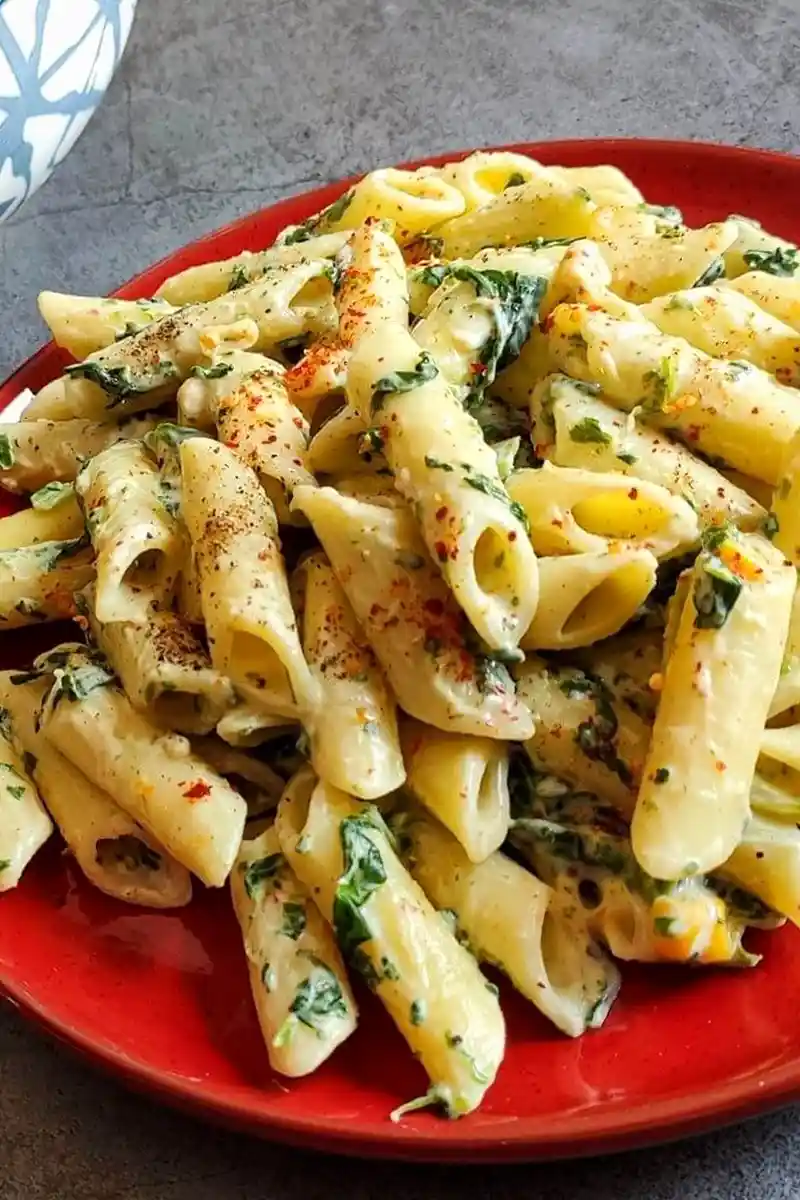
List of ingredients
- 400 gms uncooked pasta
- 1.5 cups cream cheese
- 1 cup chopped spinach (fresh or frozen)
- 1 cup sweet corn kernels (canned or frozen)
- 1 teaspoon minced garlic
- 1 teaspoon chili flakes
- Ground black pepper to taste
- Salt to taste
- 1 tablespoon olive oil
- Water to cook pasta
step-by-step instructions
- Step: Cook pasta al dente, as per the instructions given on its packet. Before draining, store 2 cups of pasta water.
- Step: Put cream cheese in a bowl, add pasta water (around ¼ cup at a time), and whisk until a smooth creamy mixture gets ready.
- Step: Heat oil in a pan. Add minced garlic and saute for about a minute.
- Step: Add corn kernels, chili flakes, salt, and pepper. Saute until the corn gets cooked.
- Step: Next, add spinach and saute until the leaves get wilted.
- Step: Add cream cheese mix and cook while continuously stirring for around 2 minutes or until a nice smooth creamy sauce gets formed.
- Step: Finally, add cooked pasta and mix until everything gets combined. Add more pasta water, cream, or milk if the sauce is too thick.
- Step: Garnish with some freshly ground pepper and chili flakes. Enjoy!
Essential Preparation Techniques
Mastering the Starchy Water Emulsion
The secret to a successful cream cheese sauce lies entirely in the pasta water. Because this water is infused with the starch released from the boiling noodles, it acts as a binding agent that turns thick, stubborn cream cheese into a flowing, silky emulsion. Adding the water slowly while whisking is crucial to prevent lumps and ensure the texture remains consistent throughout the entire dish.
Selecting the Right Cream Cheese Texture
While standard block-style cream cheese works in this recipe, using spreadable tub-style cream cheese generally allows for faster and smoother mixing. If you find yourself using a harder block version, let it sit on the counter for twenty minutes before preparation, or use a small food processor to blend it with the pasta water. This ensures your sauce maintains a uniform, luxurious mouthfeel without any stubborn clumps remaining.
Achieving Perfect Al Dente Texture
Since the pasta will be tossed in the skillet with the hot sauce for a few minutes, it is important to drain it while it still has a slight firm bite. Overcooking the pasta during the boiling stage often leads to a mushy final result once it absorbs the heat from the sauce. Always start checking your pasta a minute before the package instructions recommend to ensure it remains toothsome.
Customization and Flavor Profiles
Enhancing the Sauce Body
If you find that the sauce needs additional depth, try incorporating a tablespoon of unsalted butter alongside the olive oil for a richer, more buttery base. While the cream cheese provides the primary structure, the addition of a small amount of finely grated hard vegetarian cheese can provide a sharper, more complex flavor profile that balances the tanginess of the cream cheese. If you enjoy a lighter sauce, you can replace a portion of the pasta water with vegetable broth, which adds a subtle savory note to the dish.
Expanding the Vegetable Selection
This dish serves as a highly versatile canvas for almost any vegetable you have on hand. Sautéed mushrooms, finely diced carrots, or steamed broccoli florets all integrate perfectly into the sauce and offer additional texture. Sun-dried tomatoes or marinated artichoke hearts are also excellent additions, as their concentrated flavors cut through the richness of the cream cheese, providing a vibrant contrast in every bite.
Adjusting the Aromatics
Garlic is a cornerstone of this recipe, but you can experiment with different variations to change the profile. Freshly minced garlic provides the most potent kick, while garlic powder is better if you prefer a more subtle, uniform distribution of flavor. If you enjoy an onion-forward base, sautéing finely diced shallots or white onions alongside the garlic provides an extra layer of sweetness that pairs beautifully with the corn.
Storage and Reheating Strategies
Managing Leftover Pasta
Cream cheese sauce does not always store as well as tomato-based sauces due to the dairy content. If you have leftovers, place them in an airtight container immediately after the meal and refrigerate for up to three days. It is important to note that the sauce may thicken significantly as it cools; this is normal and is caused by the starch in the sauce setting as it reaches refrigerator temperatures.
Optimal Reheating Methods
To restore the creamy consistency of chilled leftovers, you must add a small amount of liquid before reheating. Add two tablespoons of water or milk to the container before placing it in the microwave, and heat in thirty-second intervals, stirring thoroughly between each burst. If you are using a stovetop, place the pasta in a small pan with a splash of water and cover it with a lid, as the trapped steam helps to gently melt the cheese sauce back into a smooth state without scorching the noodles.
Refining the Texture After Refrigeration
If the pasta seems a bit dry or clumped after reheating, do not be tempted to keep adding liquid indefinitely. Sometimes, a tiny pat of butter stirred in at the very end of the reheating process is all that is needed to bring the sauce back to its glossy, original state. Always perform a quick taste test after adding liquid, as you may need to add a pinch of salt or pepper to re-balance the seasoning, which can become muted during the cooling process.
Frequently Asked Questions
Can I make this dish using gluten-free pasta?
Yes, you can easily substitute the standard wheat-based pasta with your favorite gluten-free variety. Ensure that you monitor the boiling time closely, as gluten-free pasta can sometimes be more delicate and may break apart if overcooked or tossed too aggressively in the sauce.
Why should I avoid freezing this meal?
Cream cheese has a tendency to separate and turn grainy when subjected to the freezing and thawing cycle. The high water content in the sauce often creates large ice crystals that ruin the emulsified structure, leaving you with a watery, curdled mess once the dish is heated. It is much better to prepare this fresh or enjoy it as a refrigerated leftover.
Is it possible to use different types of cheese?
While cream cheese is the primary ingredient here, you can definitely supplement it with other cheeses. Grated fontina, mozzarella, or provolone can be whisked into the sauce for extra stretch and pull. Just ensure you add these extra cheeses when the sauce is over low heat to prevent them from seizing up or becoming stringy during the final mixing stages.
What should I serve alongside this pasta?
This meal is quite rich, so pairing it with something fresh and acidic creates a wonderful balance. A simple crisp green salad dressed with a lemon vinaigrette or a platter of roasted seasonal vegetables helps to cut through the creaminess. If you desire a more substantial meal, toasted crusty bread rubbed with a little garlic is an excellent way to soak up any remaining sauce on the plate.
Can I make the sauce ahead of time?
It is best to prepare the sauce and the pasta together for the most uniform results. However, if you are planning for a very tight schedule, you can prep your vegetables and have them measured and ready in the skillet. Boiling the pasta and mixing the sauce while the water is still hot provides the best outcome, so avoid making the entire sauce mixture hours in advance, as the starch will cause it to firm up too much while sitting in the refrigerator.
Print
Quick Cream Cheese Penne with Spinach and Sweet Corn
- Total Time: 20 minutes
- Yield: 4 servings 1x
- Diet: Vegetarian
Description
Cream cheese pasta- a delicious vegetarian pasta recipe that’s made with only 10 basic ingredients and gets ready in less than 20 minutes. If you are looking for quick and easy creamy pasta recipes that your whole family will enjoy then this easy cream cheese pasta recipe is a great option.
Ingredients
- 400 gms uncooked pasta
- 1.5 cups cream cheese
- 1 cup chopped spinach (fresh or frozen)
- 1 cup sweet corn kernels (canned or frozen)
- 1 teaspoon minced garlic
- 1 teaspoon chili flakes
- Ground black pepper to taste
- Salt to taste
- 1 tablespoon olive oil
- Water to cook pasta
Instructions
- Step: Cook pasta al dente, as per the instructions given on its packet. Before draining, store 2 cups of pasta water.
- Step: Put cream cheese in a bowl, add pasta water (around ¼ cup at a time), and whisk until a smooth creamy mixture gets ready.
- Step: Heat oil in a pan. Add minced garlic and saute for about a minute.
- Step: Add corn kernels, chili flakes, salt, and pepper. Saute until the corn gets cooked.
- Step: Next, add spinach and saute until the leaves get wilted.
- Step: Add cream cheese mix and cook while continuously stirring for around 2 minutes or until a nice smooth creamy sauce gets formed.
- Step: Finally, add cooked pasta and mix until everything gets combined. Add more pasta water, cream, or milk if the sauce is too thick.
- Step: Garnish with some freshly ground pepper and chili flakes. Enjoy!
Notes
Don’t overcook the pasta. For pasta water, take out the water just before straining to ensure it has enough starch to thicken the sauce. For extra flavor, you can add garlic or onion powder. For a richer sauce, butter can be substituted for olive oil.
- Prep Time: 5 minutes
- Cook Time: 15 minutes
- Category: Main Course
- Method: Stovetop
- Cuisine: Italian
Nutrition
- Serving Size: 1 serving
- Calories: 730 kcal
- Sugar: 7 g
- Sodium: 370 mg
- Fat: 35 g
- Saturated Fat: 17 g
- Unsaturated Fat: 18 g
- Trans Fat: 0 g
- Carbohydrates: 86 g
- Fiber: 4 g
- Protein: 19 g
- Cholesterol: 94 mg