
This aromatic pasta dish combines simple pantry staples to create a satisfying meal in just ten minutes. It is an ideal choice for busy weeknights when you need a flavorful yet inexpensive dinner.
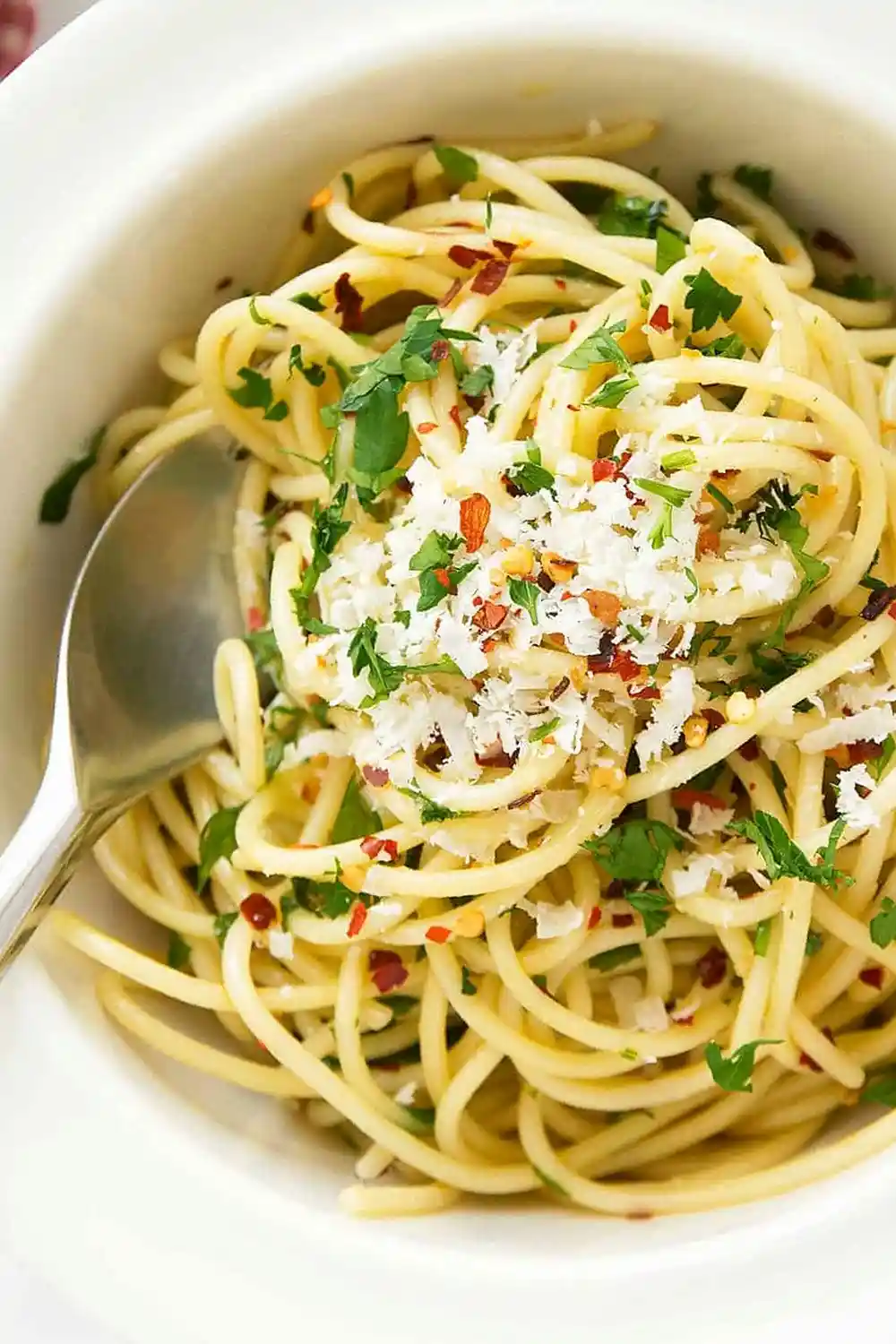
List of ingredients
- 1 lb (450 grams) spaghetti or other long pasta – durum wheat semolina is recommended for texture.
- 1/2 cup (120 ml) extra virgin olive oil – use a high-quality oil for the best flavor.
- 4-5 garlic cloves, finely sliced – ensures even cooking and infusion.
- 1 tsp dried chili flakes – adjust based on your preferred spice level, or use 3 fresh chillies.
- 1/4 cup fresh parsley, coarsely chopped – adds a bright, herbal finish.
- 1/4 cup grated parmesan cheese (microbial-rennet) – optional for those not following a vegan diet.
- Salt – used for seasoning and boiling the pasta.
step-by-step instructions
- Boil the Pasta: Fill a large pot with water, add a generous amount of salt, and bring to a boil. Add the spaghetti and cook until al dente, meaning it is soft but still has a slight bite to it.
- Prepare the Aromatics: While the pasta is boiling, peel and finely slice the garlic cloves. If using fresh chillies instead of flakes, remove the seeds and chop them finely.
- Infuse the Oil: Gently heat the olive oil in a frying pan over low to medium heat. Add the sliced garlic and chili flakes, cooking for a few minutes until the garlic turns pale gold; avoid browning it too much to prevent bitterness. Stir in the chopped parsley.
- Save the Pasta Water: Before draining the spaghetti, reserve approximately 1/2 cup of the starchy cooking water.
- Combine and Emulsify: Drain the pasta and add it directly to the frying pan. Stir well to coat the strands in the garlic oil, then gradually add the reserved cooking water as needed to create a moist, glossy sauce. Cook on medium heat for about 30 seconds while stirring.
- Final Garnish: Plate the pasta and sprinkle with extra fresh parsley and grated parmesan cheese if desired.
Selecting the Best Pasta
Use Durum Wheat Semolina for Better Structure
Selecting a pasta made from 100% durum wheat semolina ensures that the noodles maintain their shape and a firm texture. This type of pasta is more resilient during the boiling process and provides the classic al dente experience.
Explore Whole Grain Options for Added Nutrition
Whole grain spaghetti is a practical substitute that increases the fiber and micronutrient content of the meal. While it has a nuttier flavor and a denser texture, it pairs exceptionally well with the richness of the olive oil.
Try Linguine or Fettuccine for Variety
While spaghetti is traditional, other long pasta shapes like linguine or fettuccine work equally well. These wider noodles provide more surface area for the garlic-infused oil to cling to, enhancing the taste in every bite.
Choosing Quality Olive Oil
Prioritize Extra Virgin Olive Oil
Extra virgin olive oil is essential for this recipe because it is cold-pressed and retains a robust, natural flavor. Regular vegetable oils or refined olive oils lack the aromatic profile needed to carry the garlic and chili notes.
Identify Flavor Profiles
Depending on the region of origin, extra virgin olive oil can taste fruity, herbal, or peppery. A mild, fruity oil balances the sharp heat of the chili, while a peppery oil adds an extra layer of complexity to the sauce.
Store Oil in a Cool Dark Place
To prevent the oil from becoming rancid, keep your bottle away from direct sunlight and heat sources. Store it in a cool pantry to preserve the antioxidants and the fresh taste required for this dish.
Mastering the Garlic Sauté
Slice Garlic Instead of Mincing
Slicing the garlic into thin slivers allows it to cook more slowly and evenly compared to mincing. This method prevents the garlic from burning quickly and creates pleasant, soft pieces of garlic throughout the pasta.
Maintain Low Heat to Avoid Bitterness
Heating the oil gently is the most critical part of the process. If the oil is too hot, the garlic will brown too quickly and develop a bitter taste that can overpower the entire dish.
Watch for the Pale Gold Color
The garlic is perfectly infused when it reaches a pale gold hue. This indicates that the flavor has transferred into the oil without the sugars in the garlic burning, ensuring a sweet and savory aroma.
Flavor Variations and Add-ins
Add Mediterranean Vegetables
To increase the nutritional value, stir in marinated artichokes, sliced olives, or sun-dried tomatoes during the last minute of cooking. These ingredients add a salty, tangy contrast to the richness of the oil.
Incorporate Fresh Greens
Adding a handful of fresh baby spinach or chopped kale to the pan just before adding the pasta allows the greens to wilt slightly. This adds color and a mild earthy flavor to the final presentation.
Adjust the Spice Intensity
For a milder version, remove the seeds from fresh chillies or reduce the dried flakes to a pinch. Conversely, for a spicier kick, add a pinch of cayenne pepper or increase the amount of red pepper flakes.
Serving and Pairing Ideas
Pair with a Crisp Green Salad
A simple side salad of arugula or romaine with a lemon-vinaigrette cuts through the richness of the olive oil. The acidity of the lemon cleanses the palate between bites of the savory pasta.
Serve with Roasted Vegetables
Roasted broccoli or sautéed zucchini make excellent accompaniments to this meal. These vegetables mirror the garlic flavors and add necessary volume and texture to the plate.
Complement with Crusty Bread
Serve the dish with slices of toasted sourdough or a baguette. The bread is perfect for soaking up any remaining garlic oil left on the plate after the pasta is finished.
Storage and Reheating Instructions
Proper Refrigeration Methods
Store leftover pasta in an airtight container in the refrigerator for up to three days. Ensure the pasta is completely cooled before sealing the lid to prevent excess moisture buildup.
Reheating on the Stovetop
The best way to reheat this dish is in a frying pan over medium heat. Add a tablespoon of water or a drizzle of fresh olive oil to restore the creamy consistency of the sauce.
Microwave Reheating Tips
If using a microwave, sprinkle a small amount of water over the pasta and cover it with a damp paper towel. Heat in short 30-second intervals, stirring in between, to avoid drying out the noodles.
Troubleshooting Common Problems
Fixing Bitter Garlic
If the garlic turns dark brown and tastes bitter, it is best to discard the oil and start the sauté process over. Once garlic is burnt, the bitterness cannot be neutralized by other ingredients.
Managing Dry Pasta
If the finished pasta seems dry or the oil has separated, stir in an additional tablespoon of the reserved pasta water. The starch in the water helps the oil emulsify and coat the pasta more effectively.
Balancing Over-Salted Noodles
If the pasta is too salty due to the boiling water, add a squeeze of fresh lemon juice to the final dish. The acidity helps to mask the excess salt and brightens the overall flavor profile.
Frequently Asked Questions
Can I use gluten-free pasta for this recipe?
Yes, you can use gluten-free spaghetti made from brown rice or corn. Be cautious as gluten-free pasta often has a different boiling time and may release less starch into the water.
Is it possible to make this dish completely vegan?
This recipe is naturally vegan if you omit the parmesan cheese. You can replace the cheese with nutritional yeast or a plant-based parmesan alternative for a similar savory taste.
What is the best substitute for parsley?
Fresh basil or cilantro can be used as alternatives to parsley. Basil provides a sweeter, more aromatic taste, while cilantro offers a more pungent, zesty flavor profile.
How do I prevent the pasta from sticking together?
Stir the pasta occasionally while it boils and toss it with the garlic oil immediately after draining. The oil acts as a lubricant that keeps the strands separate and glossy.
Can I use butter instead of olive oil?
While butter can be used, it will change the flavor profile and lower the smoke point. If using butter, keep the heat very low to prevent the milk solids from burning before the garlic is cooked.
Print
Quick Garlic and Olive Oil Spaghetti
- Total Time: 10 minutes
- Yield: 4 servings 1x
- Diet: vegetarian
Description
Simple, fragrant and inexpensive, this spaghetti with garlic and olive oil is so good, cheap, satisfying and ready in a flash!
Ingredients
- 1 lb (450 grams) spaghetti, or other long pasta
- 1/2 cup (120 ml) extra virgin olive oil
- 4–5 garlic cloves, finely sliced
- 1 tsp dried chili flakes, or to taste
- 1/4 cup fresh parsley, coarsely chopped
- 1/4 cup grated microbial-rennet parmesan cheese
- salt, to taste
Instructions
- Step 1: Bring a pot of salted water to the boil and add spaghetti. Cook until al dente: the spaghetti is soft but still has a little bite.
- Step 2: While the spaghetti is cooking make the sauce: If you don’t use dried chili flakes, remove the seeds from the chilies and finely chop. Peel and finely slice the garlic cloves.
- Step 3: Heat the olive oil gently in a frying pan. Add the garlic and chili and cook gently for a few minutes, or until the garlic is pale gold, which will be enough time for the flavorings to infuse the oil (take care not to burn it!). Stir in chopped parsley.
- Step 4: Drain the spaghetti still “al dente”, reserve 1/2 cup cooking water.
- Step 5: Add spaghetti to the frying pan, stir well to coat with the oil, add some starchy cooking water, as much as needed to ensure the pasta is moist and juicy. Cook on medium heat for 30 seconds, stirring a couple of times.
- Step 6: Sprinkle the spaghetti with extra chopped parsley, and grated microbial-rennet parmesan cheese. Enjoy!
Notes
Heating the garlic and chilli too much will send it bitter. Make sure the garlic doesn’t get any darker than pale gold. Cooking water: add pasta water gradually, you might not need all of it.
- Prep Time: 10 minutes
- Cook Time: 0 minutes
- Category: pasta
- Method: stovetop
- Cuisine: Italian
Nutrition
- Serving Size: 1 serving
- Calories: 693 kcal
- Sugar: 3 g
- Sodium: 41 mg
- Fat: 32 g
- Saturated Fat: 5 g
- Unsaturated Fat: 27 g
- Trans Fat: 0 g
- Carbohydrates: 86 g
- Fiber: 4 g
- Protein: 15 g
- Cholesterol: 0 mg