
Transform fresh, seasonal tomatoes into a rich and savory sauce using a simple roasting technique. This method concentrates the natural sugars and flavors for a gourmet result with minimal effort.

List of ingredients
- 3 lbs roma tomatoes – choose firm ones for better structure.
- 1/2 yellow onion – ends trimmed and quartered to add sweetness.
- 6 cloves garlic – whole cloves for roasting.
- 1/2 teaspoon dried oregano – provides a classic earthy flavor.
- 1 teaspoon salt – essential for balancing tastes.
- 1 teaspoon cane sugar – helps neutralize tomato acidity.
- Black pepper – to taste for a subtle heat.
- 3-4 tablespoons olive oil – ensures even roasting and a smooth texture.
- 1/2 cup fresh basil, chopped – added at the end for herbaceous brightness.
step-by-step instructions
- Prep: Preheat your oven to 350F and prepare a large baking sheet. Trim the stem end from each tomato and slice them in half lengthwise.
- Combine: Place the halved tomatoes, quartered onion, and garlic cloves on the baking sheet. Sprinkle the oregano, salt, sugar, and black pepper over the vegetables, then drizzle generously with olive oil. Use your hands to massage the mixture until every piece is well coated, then arrange the tomatoes cut-side-up.
- Bake: Roast the vegetables on the middle rack of the oven for 50 to 60 minutes. They are done when the tomatoes have developed crispy edges and the garlic cloves have browned.
- Process: If you prefer a skin-free sauce, peel the roasted tomatoes. Transfer the entire roasted mixture into a blender for a smooth sauce or a food processor for a chunkier consistency. Blend for 45 to 60 seconds, then add the fresh basil and pulse until finely chopped.
- Serve & Store: Serve the sauce immediately over warm pasta. Store leftovers in airtight glass jars in the refrigerator for up to 5 days, or freeze in jars with 1 inch of headspace for up to 2 months.
Optimizing Your Tomato Selection
Using Roma and San Marzano Tomatoes
Roma and San Marzano tomatoes are the best choices for this recipe. These varieties have a lower water content and a thicker wall, which results in a more concentrated flavor and a thicker sauce without excessive reduction.
Adapting for Cherry and Grape Tomatoes
If you use cherry or grape tomatoes, leave them whole or cut them in half. Check them for doneness around the 45-minute mark, as their smaller size causes them to roast faster than Roma tomatoes.
Handling Large Beefsteak Tomatoes
For larger varieties like beefsteak tomatoes, cut them into 2-3 inch chunks. These may require a slightly longer roasting time to ensure the moisture evaporates and the sugars caramelize properly.
Prioritizing Peak Ripeness
The flavor of the sauce depends heavily on the quality of the produce. Use vibrant red, slightly soft tomatoes from a garden or farmers market for the most intense, sweet flavor profile.
Choosing the Right Blending Equipment
High-Speed Blenders for Smooth Marinara
A high-speed blender is ideal if you want a completely smooth, restaurant-style marinara. The powerful blades can pulverize tomato skins, although this process incorporates air and may give the sauce a slightly more orange hue.
Food Processors for Rustic Texture
Use a food processor if you prefer a chunky, rustic sauce. By pulsing the ingredients rather than blending continuously, you can control the size of the vegetable pieces and maintain a more textured mouthfeel.
Managing Tomato Skins
If you dislike the texture of skins but lack a high-speed blender, peel the tomatoes after roasting. Let them cool slightly, then slip the skins off by hand before transferring the flesh to your processor.
Flavor Enhancements and Variations
Experimenting with Fresh Herb Substitutions
While basil is traditional, you can swap it for fresh thyme, rosemary, or flat-leaf parsley. Combining these herbs can create a more complex, woody flavor profile that complements the roasted garlic.
Incorporating Additional Roasted Vegetables
You can roast red bell peppers, zucchini, eggplant, or mushrooms on the same baking sheet. Blending these into the sauce adds nutritional value and a deeper, more savory vegetable base.
Boosting Umami with Nutritional Yeast
For a cheesy, savory element without using dairy, add a tablespoon of nutritional yeast during the blending process. This adds a rich depth of flavor and a slight creaminess to the final sauce.
Adding Heat with Red Pepper Flakes
To create a spicy arrabbiata-style sauce, add a pinch of crushed red pepper flakes to the vegetables before roasting. This allows the heat to infuse into the oil and distribute evenly through the sauce.
Adding Tangy Elements with Balsamic Vinegar
A splash of balsamic vinegar added after blending can provide a sophisticated, tangy sweetness. This is particularly useful if your tomatoes are very mild and need an acidic lift.
Serving and Pairing Recommendations
Ideal Pasta Shapes for Roasted Sauce
This sauce pairs excellently with shapes that can trap the sauce, such as penne, fusilli, or rigatoni. For a smoother sauce, long noodles like spaghetti or linguine are classic choices.
Low-Carb and Gluten-Free Alternatives
You can serve this sauce over spiralized zucchini (zoodles) or roasted spaghetti squash for a lighter meal. Since the sauce is naturally vegan and gluten-free, it is highly versatile for various dietary needs.
Utilizing the Sauce as a Pizza Base
Because this sauce is thick and concentrated, it works perfectly as a homemade pizza sauce. Spread a thin layer on the dough before adding your favorite toppings and baking.
Serving as a Dip for Appetizers
Warm the sauce slightly and serve it in a bowl as a dip for toasted crostini or warm breadsticks. It also works well as a base for vegan bruschetta topped with fresh garlic.
Storage and Preservation Guide
Proper Refrigeration Techniques
Allow the sauce to cool completely to room temperature before transferring it to airtight glass jars. This prevents condensation from forming, which can shorten the shelf life in the refrigerator.
Long-Term Freezing Tips
When freezing, leave about one inch of empty space at the top of the jar. This is critical because the sauce expands as it freezes, and filling the jar to the top can cause the glass to crack.
Safe Thawing and Reheating
Thaw frozen sauce in the refrigerator overnight for the best quality. Reheat it gently on the stove over medium-low heat or in the microwave in 30-second intervals, stirring frequently.
Troubleshooting Common Sauce Issues
Fixing Bitterness in the Sauce
Bitterness usually occurs when tomatoes are overly acidic. Neutralize this by stirring in a small amount of cane sugar, coconut milk, or cashew cream. A tiny pinch of baking soda can also balance the pH level.
Thickening a Watery Sauce
If your sauce is too thin, pour it into a saucepan and simmer it on the stove over medium heat. This allows excess water to evaporate, thickening the consistency and intensifying the flavor.
Avoiding Burnt Garlic
If your garlic cloves brown too quickly, they can become bitter. To prevent this, you can tuck the garlic cloves under the tomato halves or wrap them in a small piece of foil on the baking sheet.
Frequently Asked Questions
Why does my homemade tomato sauce taste bitter?
Bitterness is typically caused by high acidity in the tomatoes. You can fix this by adding a pinch of sugar or a small amount of baking soda to neutralize the acid.
How can I make the pasta sauce thicker?
The most effective way to thicken the sauce is to simmer it in a pan on the stove. This reduces the liquid volume and concentrates the solids.
Can I use canned tomatoes for this recipe?
This recipe is designed for fresh roasting to achieve a specific flavor. While you can use canned tomatoes for a quick sauce, you will miss the caramelized depth that comes from roasting fresh vegetables.
Print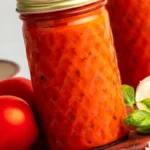
Roasted Tomato Pasta Sauce
- Total Time: 75 minutes
- Yield: 2.5 cups 1x
- Diet: Gluten Free, Vegan, Vegetarian
Description
This fuss-free Roasted Tomato Sauce transforms fresh tomatoes into a rich and savory pasta sauce to instantly upgrade your everyday dinner into a gourmet meal! Vegan and Gluten-Free.
Ingredients
- 3 lbs roma tomatoes
- 1/2 yellow onion, ends trimmed and quartered
- 6 cloves garlic
- 1/2 teaspoon dried oregano
- 1 teaspoon salt
- 1 teaspoon cane sugar
- Black pepper to taste
- 3–4 tablespoons olive oil
- 1/2 cup fresh basil, chopped
Instructions
- Prep: Preheat the oven to 350F and set a large baking sheet aside. Trim the top portion off each tomato and cut in half lengthwise.
- Combine: Add the tomatoes, onion, and garlic to a baking sheet. Sprinkle the oregano, salt, sugar, and black pepper over the vegetables, then drizzle generously with olive oil. Massage the mixture until evenly coated, rotate tomatoes cut-side-up and spread evenly.
- Bake: Bake in the middle rack of the oven for 50 to 60 minutes, until some of the tomatoes have crispy edges and the garlic has browned.
- Process: Transfer the roasted tomato mixture into a blender or food processor. Process for 45 to 60 seconds until a uniform sauce forms. Add the fresh basil and pulse until finely chopped.
- Serve & Store: Serve immediately over cooked pasta or as desired. Store leftovers in jars in the refrigerator for up to 5 days or freeze for up to 2 months.
Notes
Tomato Varieties: Roma or San Marzano are best; larger tomatoes can be cut into 2-3″ chunks. Garlic: Use up to 12 cloves for a stronger garlic flavor. Cane Sugar: Omit if tomatoes are naturally sweet.
- Prep Time: 15 minutes
- Cook Time: 60 minutes
- Category: How To
- Method: Oven
- Cuisine: Italian, Mediterranean
Nutrition
- Serving Size: 1/2 cup
- Calories: 274 kcal
- Sugar: 17 g
- Sodium: 960 mg
- Fat: 18 g
- Saturated Fat: 2 g
- Unsaturated Fat: 14 g
- Trans Fat: 0 g
- Carbohydrates: 28 g
- Fiber: 7 g
- Protein: 6 g
- Cholesterol: 0 mg