
Prepare a quick and savory side dish using common pantry staples. This modified ramen recipe replaces the processed flavor packet with a rich garlic and butter sauce for a fresher taste.
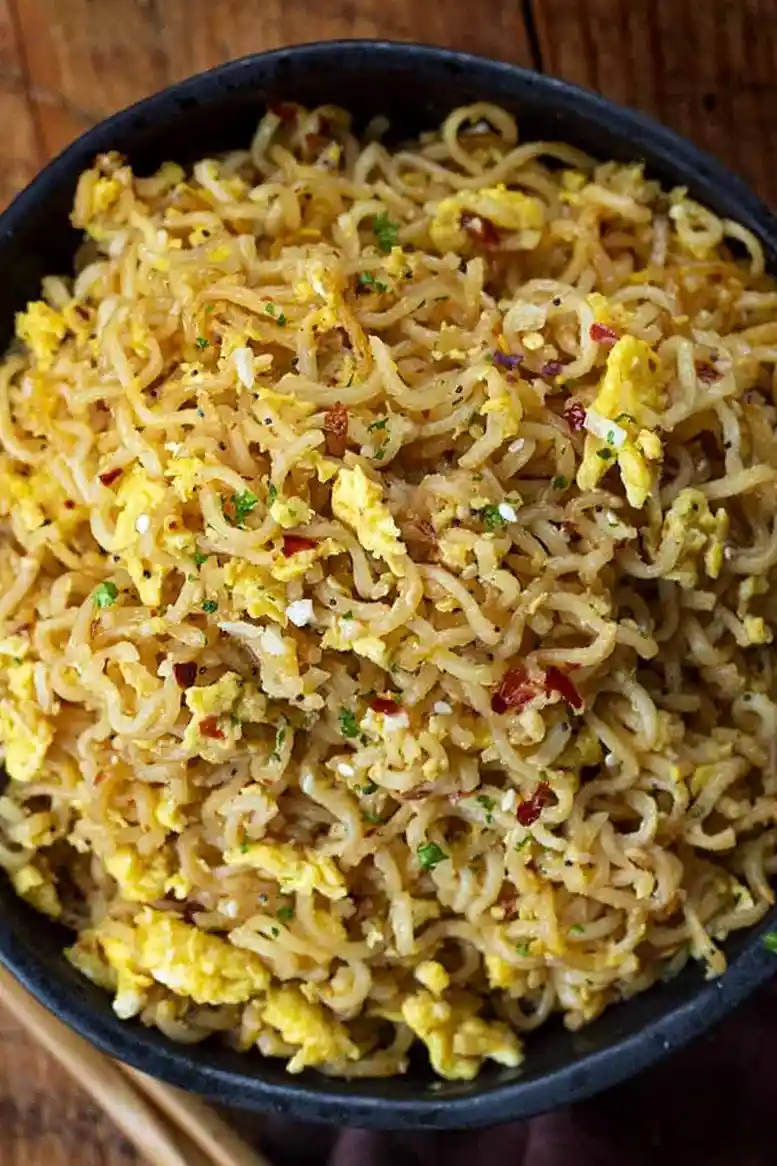
List of ingredients
- 1 package Ramen noodles – cooked according to package directions, without the seasoning (discard the flavor packet).
- 2 tablespoons butter – used for sautéing and creating a rich base.
- 2 teaspoons garlic – finely minced for maximum flavor release.
- 1 tablespoon soy sauce – provides a salty, umami depth.
- ½ teaspoon red pepper flakes – adds a mild to moderate spicy kick.
- 1 teaspoon brown sugar – balances the saltiness with a touch of sweetness.
- 2 large eggs – room temperature to ensure even cooking.
- ½ teaspoon everything seasoning – adds texture and a blend of savory seeds.
step-by-step instructions
- Melt Butter: Place a medium saucepan over medium heat and melt the butter completely.
- Sauté Garlic: Add the minced garlic to the melted butter and cook for approximately 1 minute until fragrant.
- Combine Sauce: Stir in the soy sauce, red pepper flakes, and brown sugar, mixing well to integrate the flavors.
- Coat Noodles: Add the pre-cooked ramen noodles to the pan and toss thoroughly to ensure every strand is coated in the sauce.
- Prepare Egg Space: Push the coated noodles to the edges of the saucepan to create an empty space in the center.
- Cook Eggs: Crack the eggs into the empty space and scramble them until fully cooked, then fold them into the noodles.
- Final Seasoning: Sprinkle the everything seasoning over the mixture and serve the dish while hot.
Ingredient Selection and Quality
Choosing the Right Ramen Noodles
While standard instant ramen works well, you can use high-quality dried ramen or fresh alkaline noodles. Ensure you boil them for slightly less time than suggested to prevent them from becoming mushy during the pan-frying stage.
Selecting the Best Soy Sauce
Use a standard light soy sauce for a balanced salty flavor. If you need a gluten-free option, tamari is an excellent substitute that maintains the same deep color and umami profile.
Using Fresh Garlic vs Garlic Powder
Freshly minced garlic provides a pungent, aromatic quality that powder cannot replicate. If you must use powder, substitute 2 teaspoons of minced garlic with ¼ teaspoon of garlic powder.
The Role of Unsalted Butter
Using unsalted butter allows you to control the sodium levels of the dish, which is important since soy sauce is already quite salty. If using salted butter, you may want to slightly reduce the soy sauce amount.
Adjusting Heat with Red Pepper Flakes
Crushed red pepper flakes provide a consistent heat. For a smokier flavor, you can substitute these with a small amount of chipotle powder or a dash of cayenne pepper.
Substituting Brown Sugar for Sweetness
Brown sugar adds a molasses-like depth. You can replace it with honey, maple syrup, or granulated white sugar in equal quantities to achieve a similar balance of flavors.
The Benefit of Room Temperature Eggs
Eggs that are at room temperature cook more evenly and integrate better into the sauce. If the eggs are too cold, they may lower the pan temperature and cause the butter to clump.
Understanding Everything Bagel Seasoning
This seasoning usually contains sesame seeds, poppy seeds, dried garlic, and dried onion. It adds a crunch and a complex savory layer that complements the butter sauce.
Cooking Technique Mastery
Preventing Overcooked Ramen Noodles
Boil the noodles for 30 to 60 seconds less than the package instructions. This ensures they maintain a ‘firm’ texture after being tossed in the hot butter sauce.
Managing Pan Temperature for Garlic
Keep the heat at a steady medium to avoid burning the garlic. Burnt garlic becomes bitter and can ruin the delicate balance of the soy and sugar sauce.
Technique for One-Pan Egg Scrambling
Pushing the noodles to the side allows the eggs to sear directly against the pan surface. This creates small, firm curds that provide a better texture than if they were stirred in immediately.
Emulsifying the Butter Sauce
Stir the soy sauce and brown sugar rapidly into the melted butter. This helps create a smooth emulsion that clings to the noodles rather than pooling at the bottom of the pan.
Tossing for Even Coating
Use tongs or a fork to lift and turn the noodles frequently. This ensures that the garlic and sugar are distributed evenly and no noodles remain plain.
Customizing Your Ramen Dish
Adding Fresh Vegetable Mix-ins
Sauté sliced carrots, frozen peas, or chopped bell peppers along with the garlic. Stir in baby spinach at the very end so it wilts just before serving.
Protein Additions for a Full Meal
Add diced tofu, cooked shrimp, or sliced grilled chicken to turn this side dish into a main course. Ensure the protein is already cooked before adding it to the noodles.
Adjusting Heat Levels for Different Palates
For a mild version, omit the red pepper flakes entirely. For a very spicy version, add a teaspoon of Sriracha or chili garlic sauce to the butter mixture.
Adding Umami-Rich Enhancements
A few drops of toasted sesame oil added at the end provides a nutty aroma. You can also add a teaspoon of oyster sauce for a deeper, more savory profile.
Using Different Seasoning Blends
If you do not have everything seasoning, use toasted sesame seeds and a pinch of black pepper. Furikake is another great alternative for an authentic Japanese flavor profile.
Serving and Presentation Ideas
Plating for Maximum Visual Appeal
Serve the ramen in deep ceramic bowls to retain heat. Use tongs to swirl the noodles upward, creating height in the center of the bowl.
Complementary Side Dishes
Pair this dish with steamed edamame or a side of pickled ginger. A crisp cucumber salad with rice vinegar provides a refreshing contrast to the rich butter sauce.
Best Garnishes for Garlic Ramen
Top the finished dish with thinly sliced green onions or chopped chives. A sprinkle of fresh parsley or cilantro can add a pop of color and brightness.
Storage and Reheating Methods
Storing Leftover Ramen Properly
Place leftovers in an airtight container and refrigerate for up to three days. Keep the noodles separated if possible to prevent them from absorbing all the sauce.
Best Practices for Reheating Noodles
Reheat on a stovetop over medium heat with a splash of water or broth. This restores the moisture and prevents the noodles from sticking together.
Avoiding Microwave Mushiness
If using a microwave, heat in 30-second intervals and stir in between. Adding a teaspoon of water helps steam the noodles back to their original texture.
Preventing Noodles from Clumping
Toss the cooked noodles in a tiny amount of oil before storing them. This creates a barrier that prevents them from fusing into a single mass in the fridge.
Make-Ahead and Meal Prep Advice
Prepping the Sauce in Advance
Mix the soy sauce, brown sugar, and red pepper flakes in a small jar. Store this mixture in the refrigerator and simply pour it into the butter and garlic when ready to cook.
Preparing Noodles for Fast Assembly
Cook the ramen noodles in bulk and shock them in ice water. Drain them well and store them with a light coating of vegetable oil for quick pan-frying later in the week.
Mincing Garlic in Batches
Mince a large amount of garlic and store it in oil in the refrigerator. This saves preparation time during the actual cooking process.
Troubleshooting Common Issues
What to Do if the Sauce is Too Thick
Add one tablespoon of water or vegetable broth to the pan. This thins the sauce and helps it distribute more evenly across the noodles.
How to Fix Overly Salty Ramen
If the dish is too salty, add an extra pinch of brown sugar or a squeeze of fresh lime juice. The acidity or sweetness helps neutralize the excess salt from the soy sauce.
Preventing Eggs from Burning
Ensure the pan is not on high heat when adding the eggs. Use a spatula to move the eggs constantly until they are just set to keep them tender.
Fixing Clumpy Noodles
If the noodles clump together, use a pair of kitchen shears to cut them into shorter lengths. This makes them easier to separate and toss in the sauce.
Frequently Asked Questions
Can I make this vegan?
Yes, substitute the butter with a plant-based butter alternative and replace the eggs with crumbled firm tofu or a commercial egg replacer.
How do I make this gluten-free?
Use certified gluten-free ramen noodles (such as rice-based noodles) and substitute the soy sauce with tamari or coconut aminos.
Can I use a different sugar?
You can use honey, maple syrup, or white sugar. Brown sugar is preferred for its depth, but any sweetener that balances the salt will work.
Should I rinse the noodles after boiling?
Rinsing with cold water stops the cooking process and removes excess starch. This prevents the noodles from sticking together and helps them sear better in the pan.
Can I use a different type of oil instead of butter?
You can use sesame oil or vegetable oil, though you will lose the creamy richness provided by the butter. If using oil, add a small piece of vegan butter for flavor.
Print
Savory Garlic and Egg Ramen Noodles
- Total Time: 20 minutes
- Yield: 2 servings 1x
- Diet: General
Description
Easy Ramen Recipe is a flavorful side dish made with cooked Ramen noodles that are blended with a garlicky, seasoned sauce with a kick from red pepper flakes.
Ingredients
- 1 package Ramen noodles (cooked according to package directions, without seasoning)
- 2 tablespoons butter
- 2 teaspoons garlic
- 1 tablespoon soy sauce
- ½ teaspoon red pepper flakes
- 1 teaspoon brown sugar
- 2 large eggs, room temperature
- ½ teaspoon everything seasoning
Instructions
- Step: In a medium saucepan over medium heat, melt butter.
- Step: Add garlic and cook 1 minute.
- Step: Add soy sauce, red pepper flakes, and brown sugar. Stir to combine.
- Step: Add cooked noodles and toss to coat in the sauce.
- Step: Push the noodles to the side and add the eggs to the empty space.
- Step: Scramble the eggs and mix them into the noodles.
- Step: Season with everything seasoning. Serve warm.
Notes
Discard the flavor packet provided with the ramen noodles and replace it with this homemade sauce for a more flavorful dish.
- Prep Time: 15 minutes
- Cook Time: 5 minutes
- Category: Side Dish
- Method: Stovetop
- Cuisine: American
Nutrition
- Serving Size: 1 serving
- Calories: 377 kcal
- Sugar: 5 g
- Sodium: 920 mg
- Fat: 16 g
- Saturated Fat: 8 g
- Unsaturated Fat: 7 g
- Trans Fat: 0 g
- Carbohydrates: 38 g
- Fiber: 2 g
- Protein: 14 g
- Cholesterol: 215 mg