
This quick pasta dish combines rich butter, pungent garlic, and salty Parmesan for a simple side or base meal. It requires minimal prep and comes together in under 20 minutes. It is an ideal choice for those seeking a high-flavor dish with very few ingredients.
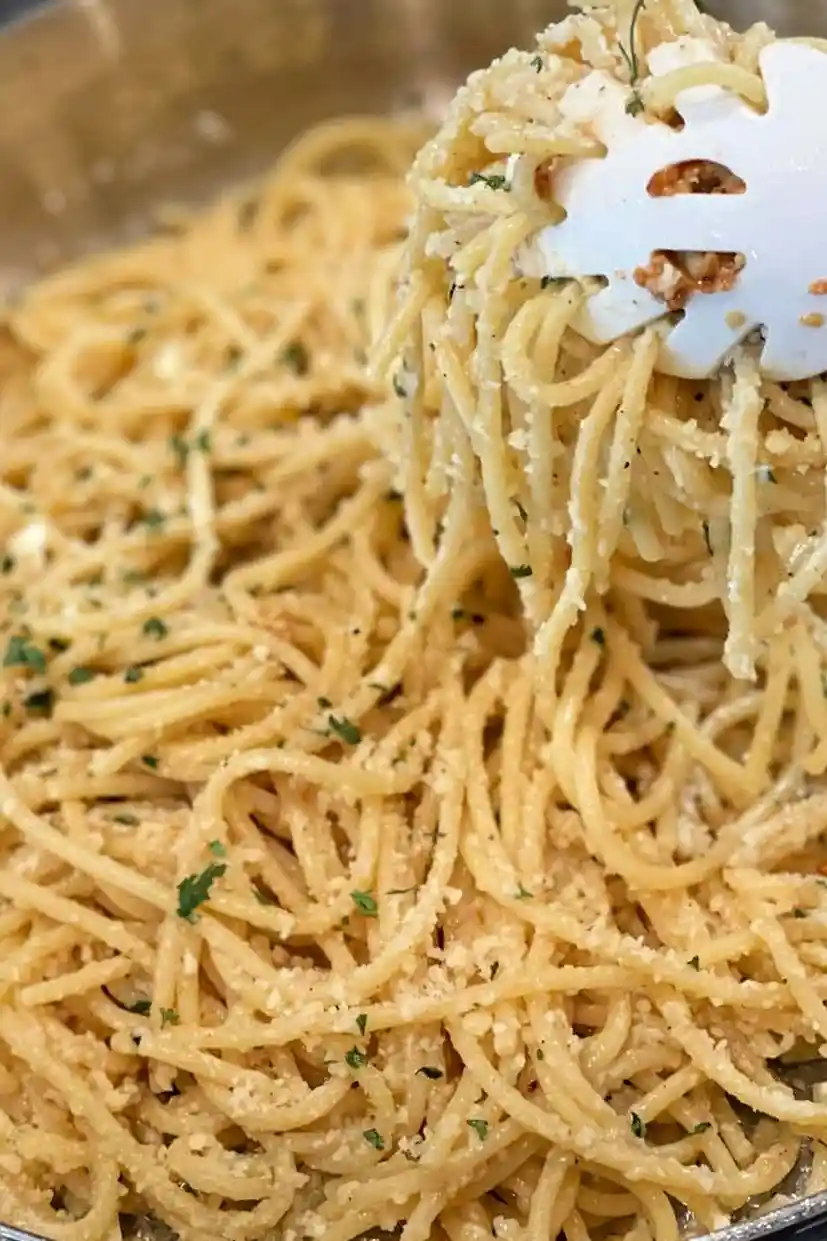
List of ingredients
- 8 oz pasta – spaghetti is traditional, but any shape works.
- 4 tbsp butter – provides the rich, creamy base for the sauce.
- 4 cloves garlic – fresh, sliced or minced for maximum flavor.
- 1/2 tsp black pepper – adds a subtle heat and depth.
- 1/2 tsp salt – used to season the butter and pasta.
- 1/2 cup Parmesan cheese – grated microbial-rennet cheese.
- 1/4 cup Parsley – freshly chopped for a clean, herbal finish.
step-by-step instructions
- Boil Pasta: Boil water in a medium saucepan and cook pasta according to the package directions. Be sure to salt the boiling water generously to season the noodles from within.
- Melt Butter: While the pasta is cooking, melt the butter in a skillet over medium heat. Stir occasionally to ensure the butter melts evenly without burning.
- Sauté Garlic: Add the garlic to the melted butter and allow it to sauté slightly. Cook just until fragrant, which usually takes about 1-2 minutes.
- Season: Add in the salt and black pepper. Stir these spices into the butter mixture to distribute the flavor evenly.
- Reserve Water: Drain the pasta, but make sure to reserve about 1/2 cup of the starchy pasta water. This liquid is key to creating a smooth sauce.
- Combine: Add the cooked pasta to the butter and garlic mixture in the skillet. Toss the noodles thoroughly to ensure they are evenly coated.
- Adjust Consistency: Slowly add in some of the reserved pasta water. Continue stirring until the sauce reaches your desired consistency.
- Finish: Remove the skillet from the heat and stir in the Parmesan cheese and parsley. Removing the pan from the heat prevents the cheese from clumping.
- Serve: Plate the pasta immediately while it is hot and creamy.
Ways to Customize This Dish
Adding Lean Proteins
You can transform this side dish into a full meal by adding grilled chicken breast or sautéed shrimp. Sear the protein in a separate pan first to ensure it is fully cooked and browned. Fold the cooked protein into the pasta during the final tossing step.
Integrating Fresh Vegetables
Adding vegetables increases the nutritional value and adds color to the plate. Sautéed spinach or steamed broccoli florets pair exceptionally well with the garlic butter sauce. Add these vegetables just before the pasta water to maintain their texture.
Exploring Alternative Cheeses
While Parmesan is the standard, you can use crumbled Feta for a tangier, saltier profile. Pecorino Romano (made with microbial rennet) is another sharp alternative that complements garlic. Adjust the salt levels of the recipe if using a saltier cheese.
Selecting Different Pasta Shapes
Spaghetti is the classic choice, but rotini, shells, or bow-tie pasta also work well. Short pasta shapes often trap more of the garlic butter sauce in their crevices. Use the same cooking time indicated on your specific pasta package.
Expert Cooking Tips for Better Results
Using Fresh Garlic Cloves
Fresh garlic provides a pungent and aromatic flavor that cannot be replicated by powdered versions. For a milder taste, slice the garlic thinly; for a more intense flavor, mince it finely. Always add garlic after the butter has melted to prevent it from burning.
Mastering Pasta Water Emulsification
The reserved pasta water contains starch that helps the fat in the butter bind to the pasta. Without this water, the sauce may separate or appear oily. Add the water one tablespoon at a time until the sauce looks glossy and clings to the noodles.
Managing Pan Temperature
Maintain a steady medium heat to avoid scorching the butter or the garlic. If the butter begins to brown too quickly, lower the heat or remove the pan from the burner for a few seconds. Burnt garlic becomes bitter and can ruin the entire flavor profile.
Cooking Pasta Al Dente
Cook your pasta for 1-2 minutes less than the package suggests for ‘al dente’. The noodles will continue to cook slightly when tossed in the skillet with the hot butter. This prevents the pasta from becoming mushy and maintains a pleasant bite.
Serving Suggestions
Pairing with Main Courses
This garlic parmesan pasta serves as an excellent accompaniment to grilled fish, such as cod or salmon. It also pairs well with a lean steak or roasted chicken. The richness of the butter balances the lean nature of these proteins.
Adding Fresh Garnishes
A pinch of lemon zest added at the end provides a bright, acidic contrast to the heavy butter. Red pepper flakes can be sprinkled on top for those who prefer a spicy kick. A few extra shavings of fresh Parmesan add a professional look to the plate.
Suggested Side Dish Combinations
Serve this pasta alongside a crisp Caesar salad or roasted asparagus to add freshness. Steamed green beans with lemon also provide a healthy balance to the meal. These sides cut through the richness of the garlic butter sauce.
Storage and Reheating Guide
Refrigerator Storage Methods
Place leftover pasta in an airtight container and store it in the refrigerator for up to three days. Ensure the pasta is cooled slightly before sealing to prevent excess condensation. Keep the container tightly sealed to prevent the pasta from drying out.
Guidelines for Freezing
Freezing butter-based pasta is generally not recommended as the sauce can separate upon thawing. The texture of the noodles may also become grainy or soft. It is best to enjoy this dish fresh or store it only in the refrigerator.
Best Reheating Techniques
Reheat the pasta on a stovetop over low heat rather than in a microwave. Add a splash of water or a tablespoon of milk to restore the creamy consistency of the sauce. Stir gently to avoid breaking the pasta strands during the process.
Troubleshooting Common Issues
Fixing a Dry Sauce
If the pasta seems too dry after adding the cheese, stir in a small knob of additional butter. You can also add a teaspoon of warm water or cream to loosen the sauce. Do this over low heat to ensure the fat incorporates smoothly.
Preventing Clumpy Cheese
Cheese can clump or separate if it is added to a pan that is too hot. Always remove the skillet from the heat source before stirring in the Parmesan. The residual heat of the pasta is sufficient to melt the cheese into a smooth glaze.
Correcting Bitter Garlic Flavor
If the garlic tastes bitter, it was likely overcooked or burnt during the sauté process. To fix this in the future, ensure the butter is foaming but not brown before adding garlic. If the batch is already bitter, adding a pinch of sugar or extra parsley can help mask the taste.
Advanced Flavor Enhancements
Incorporating Red Pepper Flakes
For a spicy variation, add a half-teaspoon of red pepper flakes to the butter along with the garlic. This infuses the oil with heat and adds a visually appealing pop of red. It pairs particularly well with shrimp or seafood additions.
Using a Variety of Fresh Herbs
While parsley is standard, fresh basil or chives can offer a different aromatic profile. Stir in chopped basil at the very end to preserve its bright green color and sweet scent. Chives provide a mild onion-like flavor that complements the garlic.
Adding Citrus Elements
A squeeze of fresh lemon juice right before serving cuts through the richness of the butter. The acidity brightens the overall flavor and makes the dish feel lighter. This is especially effective when serving the pasta as a side for grilled fish.
Developing Toasted Garlic Notes
For a nuttier flavor, allow the garlic to cook until it is just golden brown before adding the other seasonings. Be careful not to let it turn dark brown, as it will become bitter. This method adds a deeper, more complex dimension to the sauce.
Detailed Pasta Selection Guide
Long Pasta Options
Spaghetti, linguine, and fettuccine are the best long pastas for this recipe. These shapes provide a large surface area for the garlic butter to coat. Linguine, in particular, is slightly wider and holds the sauce very well.
Short Pasta Options
Penne, rotini, and farfalle (bow-tie) are excellent choices for a heartier feel. These shapes are better for incorporating added vegetables like peas or diced carrots. The sauce settles into the folds of the pasta, ensuring every bite is flavored.
Whole Wheat Alternatives
Whole wheat pasta adds a nuttier taste and more fiber to the dish. Note that whole wheat pasta often requires a slightly longer cooking time than white pasta. It pairs well with the strong flavors of garlic and Parmesan.
Gluten-Free Considerations
Brown rice pasta or chickpea pasta are suitable gluten-free alternatives for this recipe. Ensure you follow the specific boiling instructions for these varieties, as they can overcook quickly. The garlic butter sauce works equally well with these alternatives.
Comprehensive Ingredient Tips
Choosing High-Quality Butter
Unsalted butter is preferred so you can control the exact amount of salt in the dish. European-style butter, which has a higher fat content, creates a creamier and richer sauce. Always use a brand that is pure butter without added oils.
Selecting the Best Garlic
Use firm, white garlic cloves with no green sprouts in the center. Sprouts can introduce a bitter, sharp taste to the sautéed garlic. Freshly peeled cloves are always superior to pre-minced garlic found in jars.
Parmesan Texture and Types
Finely grated Parmesan melts more quickly and blends into the sauce more smoothly. Avoid the pre-shredded versions that contain anti-clumping agents, as they may not melt evenly. A microplane grater is the best tool for achieving a light, fluffy texture.
Fresh vs. Dried Parsley
Fresh flat-leaf parsley provides a bright, peppery taste and a vibrant green color. If you must use dried parsley, use only one-third of the amount specified in the recipe. Add dried herbs earlier in the process to allow them to rehydrate in the butter.
Frequently Asked Questions
Can I use margarine instead of butter?
Yes, you can use margarine, although the flavor will be less rich and the sauce may not be as creamy. If using margarine, be mindful of the salt content as some brands are highly salted.
Is this recipe suitable for meal prep?
It is suitable for short-term meal prep, but the quality declines after two days. To keep it fresh, undercook the pasta slightly and add a bit of extra butter when reheating.
What is the best type of Parmesan to use?
A high-quality Parmesan made with microbial rennet is best for a clean, sharp flavor. Look for ‘Parmigiano-Reggiano’ for the most authentic Italian taste, ensuring it meets your dietary preferences.
Can I add cream to make it creamier?
Yes, you can add 2-4 tablespoons of heavy cream after the pasta water step. This will create a more decadent, Alfredo-style sauce while keeping the garlic profile.
How do I prevent the pasta from sticking?
Stir the pasta occasionally while boiling and toss it with the butter immediately after draining. The fat in the butter creates a barrier that prevents the noodles from clumping together.
Print
Savory Garlic Parmesan Spaghetti
- Total Time: 20 minutes
- Yield: 6 servings 1x
- Diet: General
Description
This Garlic Parmesan Spaghetti comes together in no time and makes a great side dish! Add in some chicken or shrimp and make it a tasty meal option!
Ingredients
- 8 oz pasta
- 4 tbsp butter
- 4 cloves garlic, sliced or minced
- 1/2 tsp black pepper
- 1/2 tsp salt
- 1/2 cup Parmesan cheese (microbial-rennet)
- 1/4 cup Parsley
Instructions
- Step 1: Boil water in a medium saucepan and cook pasta according to directions.
- Step 2: As pasta is cooking, melt the butter in a skillet over medium heat.
- Step 3: Add in the garlic and allow to saute slightly.
- Step 4: Add in the salt/pepper and stir to incorporate.
- Step 5: Drain pasta and reserve about 1/2 cup of pasta water.
- Step 6: Add the cooked pasta to the butter/garlic mixture and toss to coat.
- Step 7: Slowly add in some of the reserved pasta water until desired consistency is reached.
- Step 8: Remove from heat and add in the Parmesan cheese and Parsley.
- Step 9: Serve and enjoy!
Notes
If you aren’t a fan of Parmesan, you can use Feta crumbles. You can also use rotini or shells instead of spaghetti.
- Prep Time: 5 minutes
- Cook Time: 15 minutes
- Category: Main Course, Side Dish
- Method: Stovetop
- Cuisine: American, Italian
Nutrition
- Serving Size: 1 serving
- Calories: 210 kcal
- Sugar: 2 g
- Sodium: 594 mg
- Fat: 11 g
- Saturated Fat: 6 g
- Unsaturated Fat: 5 g
- Trans Fat: 1 g
- Carbohydrates: 27 g
- Fiber: 2 g
- Protein: 7 g
- Cholesterol: 26 mg