
These slow cooker carnitas are incredibly tender and develop a perfect crunch after a quick broil. This method ensures a juicy interior and a flavorful exterior with minimal effort.
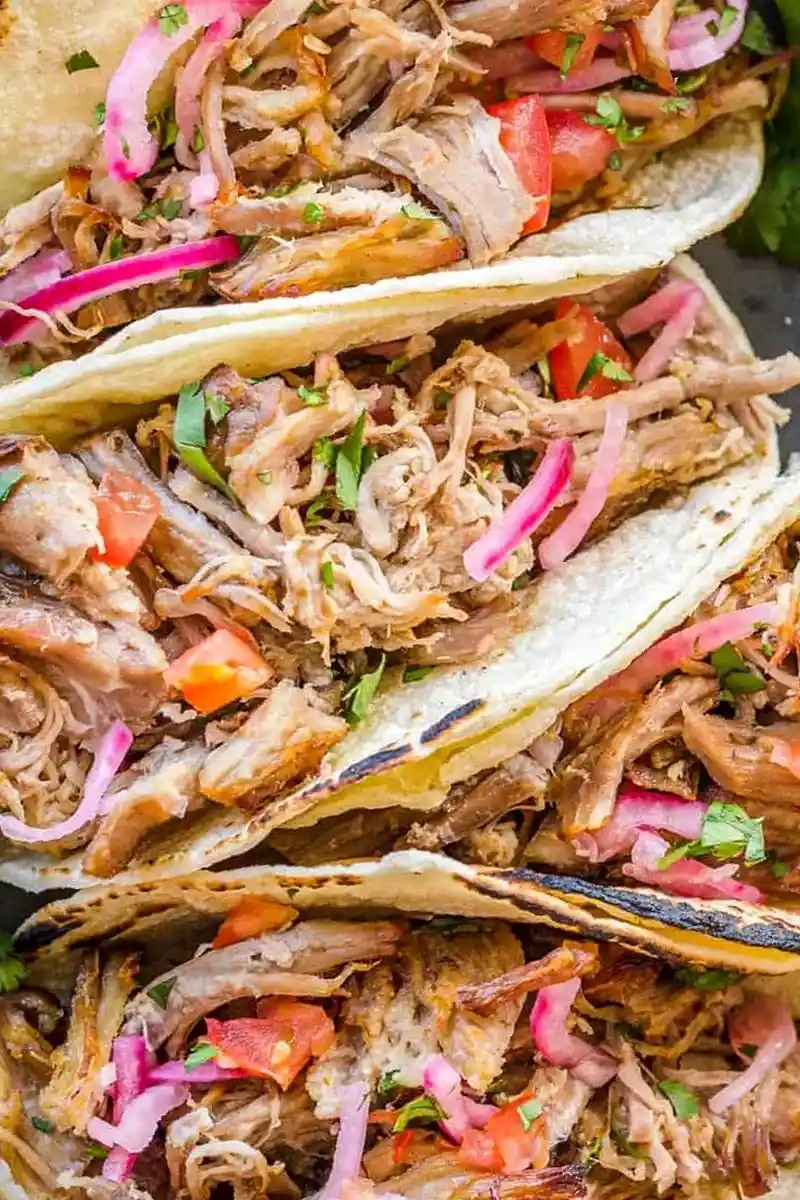
List of ingredients
- 4 lb boneless chicken thighs – provides the best fat content for tenderness.
- 3 tsp fine sea salt – enhances all the savory flavors.
- 1 tsp ground black pepper – adds a subtle spicy warmth.
- 1 tsp dried oregano – brings a traditional earthy aroma.
- 1 large yellow onion, diced – creates a flavor base in the broth.
- 5 garlic cloves – adds pungent depth to the meat.
- 4 Tbsp lime juice (from 2 limes) – provides necessary acidity.
- 1/2 cup orange juice (from 2 oranges) – adds sweetness and helps tenderize.
- 1 cup chicken broth – ensures there is enough liquid for braising.
- 2 bay leaves (optional) – adds a subtle herbal layer to the sauce.
step-by-step instructions
- Season the meat: Pat the chicken dry with a paper towel. Combine salt, pepper, and dried oregano, then rub the seasoning evenly over the chicken.
- Prepare the slow cooker: Add the diced onion, garlic cloves, chicken broth, lime juice, orange juice, and bay leaves to the pot.
- Slow cook: Place the seasoned chicken into the slow cooker. Cook on high for 5 hours or on low for 7-9 hours until the meat is very tender.
- Shred the meat: Remove the chicken and transfer it to a rimmed baking sheet. Shred the meat using two forks and drizzle 1/2 cup of the slow cooker juices over the top.
- Crisp the edges: Broil the shredded meat in the oven for 5-7 minutes, or until the edges are golden brown and crispy.
Optimizing Your Meat Selection
Selecting Chicken Thighs for Moisture
Boneless, skinless chicken thighs are the ideal substitute for a roast in this recipe. They contain more fat and connective tissue than chicken breasts, which prevents the meat from drying out during the long cooking process. This ensures the final result is juicy and shreds effortlessly.
Avoiding Leaner Cuts
Chicken breasts are generally too lean for a slow cooker carnitas recipe. Because they lack the necessary fat, they often become rubbery or dry when cooked for several hours. If you must use breasts, reduce the cooking time significantly to avoid overcooking.
Preparing the Surface for Seasoning
Always pat your meat dry with paper towels before applying the rub. Removing surface moisture allows the salt and spices to adhere better to the meat. This ensures every bite is consistently seasoned rather than the spices sliding off into the broth.
Enhancing the Flavor Profile
The Role of Citrus Juices
The combination of lime and orange juice is critical for authentic flavor. The acidity in the lime juice breaks down the muscle fibers, making the meat more tender. Meanwhile, the sugars in the orange juice help with the caramelization process during the final broiling step.
Using Fresh Aromatics
Dicing a fresh yellow onion and using whole garlic cloves provides a foundation of savory flavor. As these ingredients simmer for hours, they melt into the cooking liquid, infusing the meat with a rich, aromatic base that powdered alternatives cannot replicate.
The Importance of Dried Oregano
Dried oregano adds a specific herbal quality that is characteristic of Mexican-inspired dishes. For the best results, rub the dried herbs between your palms before adding them to the seasoning mix. This releases the essential oils and intensifies the flavor.
Adding Bay Leaves for Complexity
While optional, bay leaves contribute a subtle tea-like depth to the braising liquid. They balance the brightness of the citrus and the sweetness of the orange juice. Remember to remove them before shredding the meat to avoid biting into a whole leaf.
Mastering the Cooking Process
High Heat versus Low Heat Settings
Cooking on high for 5 hours is ideal for those on a tighter schedule. However, cooking on low for 7-9 hours generally produces a more tender texture. The slower breakdown of tissues results in a more uniform shred and a deeper infusion of flavors.
The Fork-Tender Test
Before removing the meat from the slow cooker, test it with a fork. The meat should slide apart with almost no resistance. If the meat feels springy or tough, it needs more time to allow the collagen to break down completely.
Managing Liquid Ratios
Ensure the meat is partially submerged but not swimming in too much liquid. If you add too much broth, the flavors can become diluted. The goal is a concentrated braising liquid that can later be used to baste the meat during the crisping phase.
Achieving the Perfect Crunch
The Broiling Technique
The broiler is the secret to restaurant-quality carnitas. Position your oven rack in the top third of the oven to ensure the heat hits the meat directly. This creates those coveted charred, crispy edges while keeping the center of the meat moist.
Utilizing the Braising Juices
Drizzling the reserved cooking juices over the shredded meat before broiling is essential. The concentrated sugars from the orange juice and the fats from the chicken caramelize under the heat. This creates a sticky, savory glaze that enhances the flavor.
Pan-Searing as an Alternative
If you do not have an oven, a cast-iron skillet works well. Heat a small amount of oil over medium-high heat and add the shredded meat in batches. Sear the meat without moving it too often to allow a deep brown crust to form on one side.
Timing the Browning Process
Keep a close eye on the meat during the final 2 minutes of broiling. Because of the sugar content in the citrus juices, the meat can go from golden brown to burnt very quickly. Rotate the baking sheet if necessary to ensure even browning.
Serving and Pairing Ideas
Traditional Taco Assembly
Warm small corn tortillas on a griddle until pliable. Fill them with a generous portion of crispy chicken carnitas and top with finely diced raw white onion and fresh cilantro. A squeeze of fresh lime juice over the top adds a final hit of brightness.
Low-Carb Salad Bowls
For a healthier option, serve the carnitas over a bed of shredded romaine lettuce. Add black beans, corn, avocado slices, and a dollop of Greek yogurt or sour cream. This turns the rich meat into a balanced, nutrient-dense meal.
Hearty Burrito Fillings
Use large flour tortillas to create filling burritos. Combine the chicken with cilantro-lime rice, pinto beans, and melted Monterey Jack cheese. Rolling the burrito tightly and searing it in a pan for one minute adds an extra layer of texture.
Loaded Nacho Platters
Spread a thick layer of tortilla chips on a baking sheet and top with shredded cheese and the cooked carnitas. Bake until the cheese is bubbly, then garnish with jalapeños, pico de gallo, and guacamole for a crowd-pleasing appetizer.
Storage and Preservation
Refrigerating Leftovers
Store the cooked meat in an airtight container with any remaining cooking juices. The liquid prevents the meat from drying out in the refrigerator. These carnitas will stay fresh and flavorful for up to 3 to 4 days.
Freezing for Future Use
Carnitas freeze exceptionally well. Place the shredded meat and a portion of the juices into heavy-duty freezer bags, squeezing out as much air as possible to prevent freezer burn. They can be stored in the freezer for up to 3 months.
Proper Portioning
Freeze the meat in smaller, single-serving portions. This allows you to thaw only what you need for a quick lunch or dinner. It also speeds up the thawing process and makes meal planning more efficient.
Reheating Guidelines
Restoring Crispiness in the Oven
To regain the crispy edges after refrigeration, reheat the meat in a 400-degree oven. Spread the meat on a baking sheet and heat for 5-10 minutes. This is the best method for maintaining the original texture of the dish.
The Stovetop Reheat Method
Place a skillet over medium heat with a teaspoon of oil. Add the cold meat and a splash of the reserved juices. Stir occasionally until the meat is heated through and the edges become brown and crisp again.
Microwave Heating Tips
If using a microwave, place the meat in a microwave-safe bowl and cover it with a damp paper towel. This traps the steam and prevents the chicken from becoming rubbery. Note that you will lose the crispy texture with this method.
Troubleshooting Common Issues
Solving Dry Meat Problems
If the meat seems dry after shredding, add more of the slow cooker liquid. The broth is packed with flavor and moisture that can be reabsorbed by the meat. Mix it in well before the final broiling step.
Fixing a Lack of Crispiness
If the meat isn’t browning in the oven, check your broiler setting. Ensure the oven is fully preheated and the meat is spread in a single layer. Overcrowding the pan will steam the meat instead of searing it.
Correcting Bland Flavor
If the final dish lacks punch, stir in a small amount of additional lime juice or a pinch of salt after reheating. The acidity of the lime often awakens the other flavors and makes the dish taste fresher.
Managing Too Much Liquid
If the slow cooker produced too much thin liquid, simmer the juices in a saucepan on the stove. Reduce the liquid by half to create a thick glaze. Drizzle this concentrated syrup over the meat for a more intense taste.
Frequently Asked Questions
Can I use a different citrus fruit?
While orange and lime are traditional, you can use lemon juice as a substitute for lime. Grapefruit juice can replace orange juice for a more tart, bitter profile, though it may change the authentic taste of the carnitas.
Is this recipe suitable for a pressure cooker?
Yes, you can use a pressure cooker to save time. Cook the chicken on high pressure for about 45-60 minutes and then allow a natural pressure release. Follow the shredding and broiling steps exactly as written.
Can I substitute the chicken broth?
Vegetable broth is an excellent substitute for chicken broth. It provides the same liquid volume and a similar savory base without altering the primary flavor of the chicken and citrus.
How do I know when the meat is fully cooked?
The meat is done when it reaches an internal temperature of 165 degrees Fahrenheit and shreds easily with a fork. In a slow cooker, this is usually indicated by the meat falling apart when touched with a utensil.
Print
Slow Cooker Chicken Carnitas
- Total Time: 5 hours 30 minutes
- Yield: 8 servings 1x
- Diet: General
Description
Beef Carnitas are crispy on the outside with a juicy center. It’s so easy to make authentic Mexican pulled beef in the slow cooker.
Ingredients
- 4 lb boneless beef chuck roast
- 3 tsp fine sea salt
- 1 tsp ground black pepper
- 1 tsp dried oregano
- 1 large yellow onion (diced)
- 5 garlic cloves
- 4 Tbsp lime juice
- 1/2 cup orange juice
- 1 cup chicken broth
- 2 bay leaves (optional)
Instructions
- Step: Pat the beef roast dry with a paper towel. Combine salt, pepper and dried oregano and rub beef roast with the seasoning.
- Step: In the slow cooker, add chopped onion, garlic cloves, broth, lime juice, orange juice, and bay leaves if using.
- Step: Add the beef roast to the slow cooker. Cook on high for 5 hours or on low for 7-9 hours.
- Step: Remove the beef roast from the slow cooker and transfer it to a rimmed baking sheet. Shred the beef roast with two forks and drizzle the top with 1/2 cup of the slow cooker juices.
- Step: To get crispy edges, broil in the oven for 5-7 minutes, or until golden brown.
Notes
To crisp the meat without an oven, you can pan-fry the shredded beef in a skillet with oil and a drizzle of the slow cooker juices until golden brown.
- Prep Time: 20 minutes
- Cook Time: 5 hours 10 minutes
- Category: Main Course
- Method: Slow Cooker
- Cuisine: Mexican
Nutrition
- Serving Size: 1 serving
- Calories: 323 kcal
- Sugar: 2 g
- Sodium: 993 mg
- Fat: 9 g
- Saturated Fat: 3 g
- Unsaturated Fat: 6 g
- Trans Fat: 0 g
- Carbohydrates: 5 g
- Fiber: 1 g
- Protein: 52 g
- Cholesterol: 143 mg