
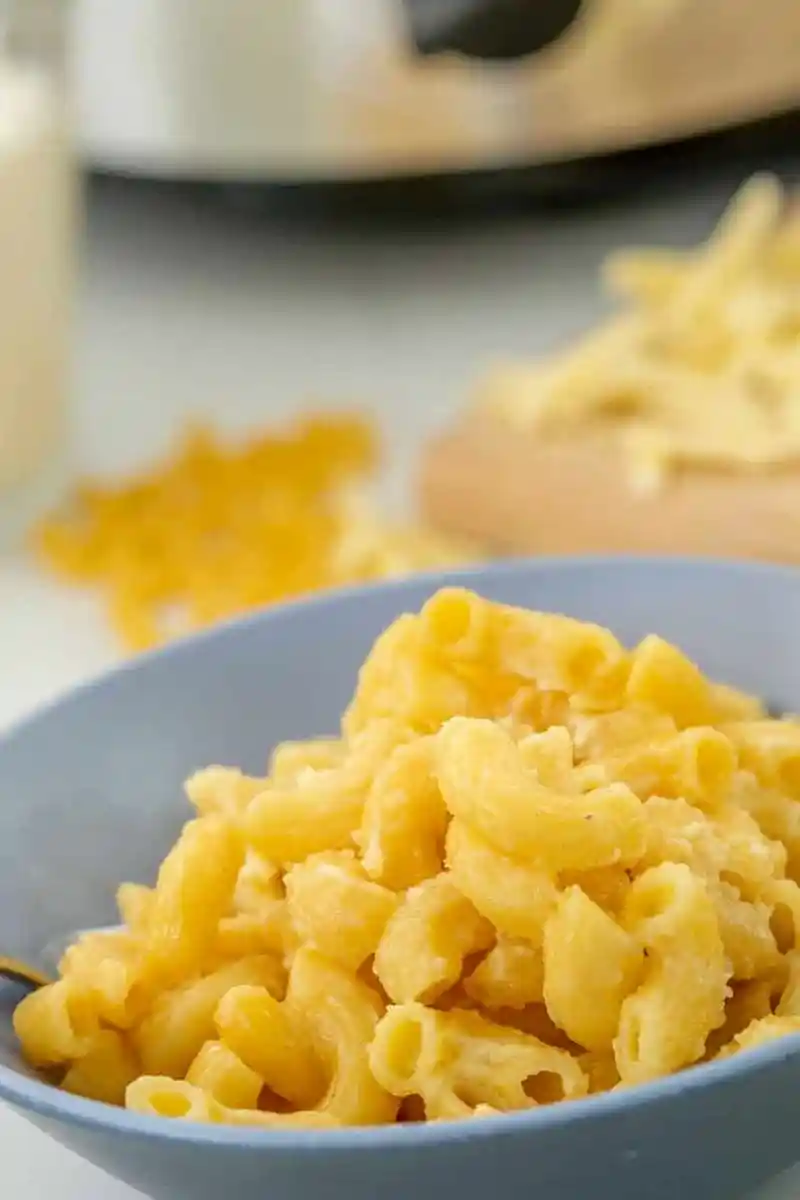
This effortless slow cooker macaroni and cheese allows you to combine all your raw ingredients into one pot for a perfectly creamy result with minimal intervention. It is the ultimate solution for busy weeknights when you want a comforting, homemade meal without the hassle of boiling water or standing over a stovetop. By letting the pasta cook directly in the savory cheese sauce, you achieve a rich texture that simply cannot be replicated by traditional methods.
List of ingredients
- 500 grams dry pasta (elbows, penne, or shells)
- 3 cups grated/shredded cheese (230 grams; 200g Colby or cheddar + 30g parmesan)
- 2 teaspoons onion powder
- 3 cups milk (750 ml)
- 1 cup cream (250 ml)
- 1 teaspoon cornflour mixed with 1 tablespoon milk (optional slurry)
step-by-step instructions
- Step: Rinse the pasta under cold water and drain well.
- Step: Add pasta, onion powder, and grated cheese to the slow cooker and mix well.
- Step: Pour in the cream followed by the milk and optional corn slurry, then gently stir.
- Step: Cook on LOW for 3 hours or HIGH for 1–1.25 hours.
- Step: Stir occasionally if possible; perform a final stir 15 minutes before serving to ensure the top pasta absorbs the cheese sauce.
- Step: Add extra warm milk if the sauce is too thick or more cheese if desired, then serve.
Refining Your Slow Cooker Technique
Understanding Individual Appliance Variance
Every slow cooker functions with slightly different heating element intensities, meaning that cooking times can fluctuate between models. The first time you prepare this recipe, plan to stay nearby to observe how quickly your pasta reaches the desired texture. If you notice the sauce thickening too rapidly, you can always switch to a lower heat setting or add a splash of extra milk to manage the consistency.
Selecting the Best Cheese for Texture
For the most consistent results, always choose to grate your cheese fresh from a block rather than using pre-shredded varieties. Pre-shredded cheese is often coated in cellulose or potato starch to prevent clumping, which can interfere with the way it melts into a smooth sauce. Combining a high-moisture cheese like Colby with a hard, salty cheese like Parmesan provides both the perfect pull and a balanced, sophisticated flavor profile.
Customization and Flavor Variations
Enhancing the Savory Profile
While onion powder provides a classic, foundational flavor, you can easily adapt the profile by experimenting with other dry seasonings. A pinch of ground mustard powder can brighten the richness of the cheese, while a small amount of smoked paprika adds a subtle depth that complements the creaminess. Avoid using fresh onions or garlic, as they may not soften properly within the short cooking window of this recipe.
Incorporate Additional Textures
Although this is a traditional macaroni and cheese recipe, you can add cooked, finely diced vegetables like broccoli florets or peas during the final 15 minutes of cooking. Adding them early in the process may cause them to become mushy, so integrating them right before the final stir maintains their integrity. Ensure any additions are already cooked so that you are not adding extra water content or requiring longer cooking times.
Practical Serving Strategies
Pairing with Complementary Dishes
This mac and cheese serves as a robust foundation for a family meal and pairs exceptionally well with roasted proteins. Consider serving it alongside baked chicken drumsticks or herb-roasted vegetables to round out the plate. Because the dish is rich and calorie-dense, light, acidic side dishes like a simple green salad with a vinaigrette help cut through the heaviness.
Managing Sauce Consistency for Large Gatherings
When serving a crowd, keep the slow cooker on a “warm” setting if your appliance has one. If the sauce begins to look dry or pasty due to the heat, keep a small container of warmed milk nearby to stir into the pot. A quick whisk with an additional tablespoon of warm milk can instantly restore the creamy texture without altering the flavor of the dish.
Storage and Reheating Methods
Proper Refrigeration Techniques
Leftovers should be transferred to an airtight container once they have cooled slightly to room temperature. Storing the pasta in the refrigerator for up to four days is generally safe, though the pasta will continue to absorb the remaining liquid in the sauce over time. Ensure the container is sealed tightly to prevent the pasta from drying out or absorbing other odors from your refrigerator.
Reheating for Maximum Creaminess
When reheating individual portions, add a small splash of milk or water to the bowl before placing it in the microwave. This extra liquid provides the steam necessary to loosen the starch bonds that tighten as the pasta cools. Heat in short intervals, stirring well between each segment, to ensure the cheese sauce melts evenly rather than separating or burning.
Frequently Asked Questions
Why does the pasta texture vary so much?
The texture of the pasta depends heavily on the specific shape used and the actual heat output of your slow cooker. Smaller, thicker shapes like shells or mini-penne often hold up better than thin, delicate noodles that might turn mushy under extended heat. If you find your pasta is softer than you like, reduce the cooking time by 15-20 minutes on the next attempt.
Can I use gluten-free pasta for this recipe?
Standard dump-and-go slow cooker methods are generally incompatible with gluten-free pasta varieties. Gluten-free pasta typically has a different starch structure that lacks the durability required to withstand long periods of simmering without structural support. If you must use gluten-free options, it is safer to boil the pasta separately and stir it into the cheese sauce at the end of the cooking cycle.
Is it possible to make this dish ahead of time?
While the “dump and go” nature is meant for immediate preparation, you can assemble the dry ingredients and cheese ahead of time in the pot insert, stored in the fridge. Do not add the milk and cream until you are ready to start the slow cooker, as the liquid will cause the dry pasta to soften and release starch prematurely if left to soak for too long before heating.
Print
Slow Cooker Dump-and-Go Macaroni and Cheese
- Total Time: PT182M
- Yield: 6 servings 1x
- Diet: Vegetarian
Description
This is a dump-and-go crockpot mac and cheese recipe, where you simply add the ingredients into a slow cooker and come back in a few hours to a ready-to-eat meal.
Ingredients
- 500 grams dry pasta (elbows, penne, or shells)
- 3 cups grated/shredded cheese (230 grams; 200g Colby or cheddar + 30g parmesan)
- 2 teaspoons onion powder
- 3 cups milk (750 ml)
- 1 cup cream (250 ml)
- 1 teaspoon cornflour mixed with 1 tablespoon milk (optional slurry)
Instructions
- Step: Rinse the pasta under cold water and drain well.
- Step: Add pasta, onion powder, and grated cheese to the slow cooker and mix well.
- Step: Pour in the cream followed by the milk and optional corn slurry, then gently stir.
- Step: Cook on LOW for 3 hours or HIGH for 1–1.25 hours.
- Step: Stir occasionally if possible; perform a final stir 15 minutes before serving to ensure the top pasta absorbs the cheese sauce.
- Step: Add extra warm milk if the sauce is too thick or more cheese if desired, then serve.
Notes
Trust the process as it works well. This dish may not be visually perfect but is very convenient. It is best used as a side dish alternative to mashed potatoes. If this is your first time, stay home to monitor timing as slow cookers vary. Leftovers can be stored in the fridge for up to 4 days and reheated in the microwave.
- Prep Time: PT2M
- Cook Time: PT180M
- Category: Family Dinner Ideas
- Method: Slow Cooking
- Cuisine: New Zealand
Nutrition
- Serving Size: 1 serving
- Calories: 678 kcal
- Sugar: 9 g
- Sodium: 311 mg
- Fat: 33 g
- Saturated Fat: 20 g
- Unsaturated Fat: 13 g
- Trans Fat: 0 g
- Carbohydrates: 70 g
- Fiber: 3 g
- Protein: 25 g
- Cholesterol: 107 mg