
Preparing a classic pot roast in the slow cooker transforms simple, hearty ingredients into a fork-tender meal that feels both comforting and sophisticated. This hands-off method requires minimal effort, making it an excellent choice for a nutritious dinner that fits into a busy weekly routine. By allowing the beef to simmer slowly with root vegetables and aromatic herbs, you achieve a depth of flavor that is truly remarkable without any stress.
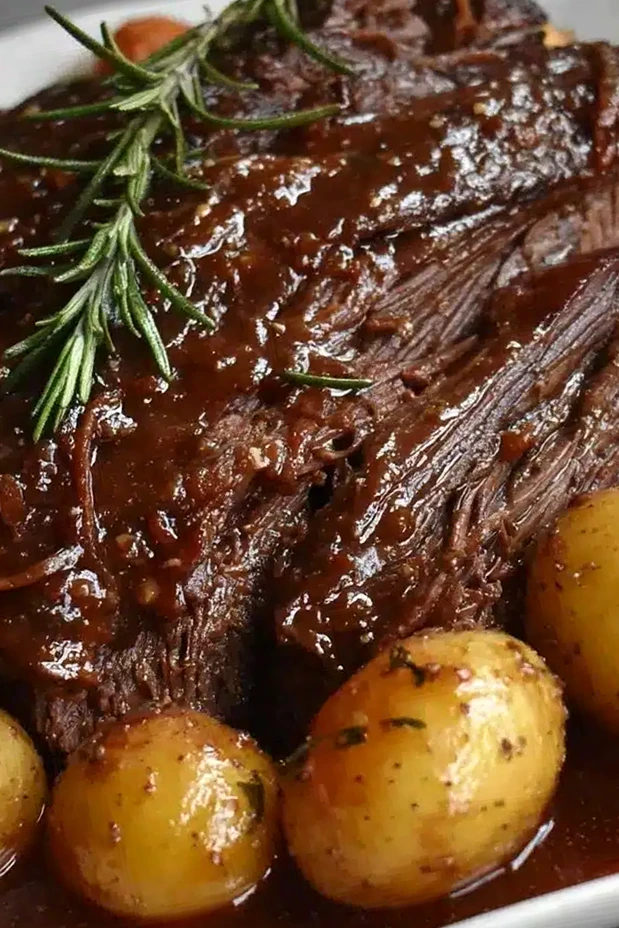
List of ingredients
- 3 to 4 pounds beef chuck roast
- Salt and black pepper to taste
- 2 tablespoons olive oil or vegetable oil
- 1 large yellow onion, sliced
- 4 medium carrots, cut into chunks
- 3 celery stalks, chopped
- 3 garlic cloves, minced
- 2 cups beef broth
- 1/2 cup beef broth or balsamic vinegar (non-alcoholic substitute)
- 2 tablespoons tomato paste
- 3 fresh thyme sprigs
- 2 bay leaves
- 4 medium potatoes (Yukon Gold or red), halved
step-by-step instructions
- Step: Pat the beef chuck roast dry with paper towels and season all sides generously with salt and freshly ground black pepper.
- Step: Heat 2 tablespoons of olive oil in a large skillet over medium-high heat. Sear the roast for 4-5 minutes per side until a deep brown crust forms.
- Step: While searing, slice the onion, chop the celery, and cut carrots and potatoes into large chunks.
- Step: Place onion, carrots, celery, and garlic at the bottom of the slow cooker insert. Set the seared roast on top of the vegetables.
- Step: Pour in 2 cups of beef broth and the additional 1/2 cup of broth or balsamic vinegar. Stir in 2 tablespoons of tomato paste into the liquid. Add fresh thyme sprigs and bay leaves around the roast.
- Step: Nestle the halved potatoes around the roast and vegetables.
- Step: Cover with the lid and cook on LOW for 8 to 9 hours, or on HIGH for 4 to 5 hours until the meat is fork-tender.
- Step: Check for doneness by shredding with a fork; if not tender, continue cooking and check every 30 minutes.
- Step: Remove thyme sprigs and bay leaves. Use two forks to shred the meat slightly, mixing it with the vegetables and broth.
- Step: Serve warm with the broth spooned over the top. Optionally thicken the gravy with a cornstarch slurry if desired.
Refining Your Searing Technique
Why Browning Matters for Flavor
Searing is not just about color; it is a critical chemical reaction known as the Maillard reaction. By heating the surface of the meat until it browns, you create new, complex flavor compounds that simple braising cannot achieve alone. This crust adds a savory richness that infuses the entire broth as it cooks throughout the day.
Selecting the Right Skillet
A heavy-duty cast iron or stainless steel skillet is your best tool for this step. These materials retain heat exceptionally well, ensuring the pan does not cool down when the cold meat hits the surface. Maintaining high heat is essential to achieve a deep sear without steaming the beef.
Understanding Ingredient Roles
The Importance of Root Vegetable Texture
When selecting potatoes, opt for varieties like Yukon Gold because they possess a creamy interior that stays intact during long periods of heat. Red potatoes are another excellent choice because their thin skins remain firm, preventing the vegetable from turning into mush within the slow cooker. Cutting these into large, even pieces is essential to ensure they finish cooking at the same time as the beef.
Balancing the Braising Liquid
The beef broth acts as a vehicle for all the aromatic components, including the garlic and tomato paste. Tomato paste provides a concentrated acidity that brightens the savory notes of the beef. If you find the liquid is too thin at the end of the cycle, you can whisk a tablespoon of cornstarch with cold water and stir it into the juices while they are on high heat for a few minutes to create a thicker, luxurious gravy.
Advanced Seasonal Adjustments
Autumnal Vegetable Swaps
You can easily introduce seasonal variations by incorporating hearty parsnips or sweet potatoes alongside your standard carrots. These vegetables contribute a distinct sweetness that pairs beautifully with the savory beef. Always add these extra-starchy items toward the bottom or sides of the pot to ensure they remain moist during the cooking process.
Herb Infusion Strategies
While fresh thyme and bay leaves are the classic choice, you can experiment with other sturdy herbs that stand up to long, slow heat. Rosemary or sage branches can be added during the final two hours of cooking if you prefer a more pronounced herbal finish. Avoid delicate soft herbs like parsley or chives, which should only be added as a fresh garnish immediately before serving.
Managing Storage and Reheating
Proper Cooling Procedures
When storing leftovers, allow the pot roast to cool for about thirty minutes before dividing it into shallow, airtight containers. This rapid cooling prevents bacterial growth and keeps the vegetables from over-softening. Ensuring the container is sealed tightly helps retain the moisture in the shredded meat.
Best Practices for Reheating
To reheat, prioritize the stove over the microwave to maintain the integrity of the vegetables. Add a small splash of beef broth or water to the pan to prevent sticking and provide steam, which keeps the meat succulent. Gentle, low heat is the key to warming the dish through without drying out the fibrous beef.
Frequently Asked Questions
Can I prepare the ingredients the night before?
Yes, you can sear the meat and chop the vegetables a day in advance, storing them in separate containers in the refrigerator. In the morning, simply place everything into the slow cooker, add your liquids, and start the machine to save significant time during your busy morning routine.
How do I know when the meat is done?
The roast is ready when you can easily insert a fork into the thickest part of the meat and twist it with virtually no resistance. If the meat feels firm or resists the fork, add an extra thirty minutes of cooking time on the LOW setting to ensure optimal tenderness.
Is it safe to leave the slow cooker on all day?
Modern slow cookers are designed for extended, unattended operation. However, it is always a good practice to place your device on a heat-resistant surface away from curtains or kitchen towels. Always ensure the lid is properly seated to trap the heat and moisture required for successful results.
What if my vegetables are not fully cooked?
If the vegetables remain slightly crunchy, it usually means they were positioned in the cooler top layer of the slow cooker. In the future, ensure your vegetables are placed at the bottom or sides where the heat is most direct. If you encounter this today, you can transfer them to a microwave-safe bowl with a little broth and heat them for a few extra minutes.
Can I add beans or lentils?
Legumes like dried brown lentils can be added, but they will absorb a large amount of liquid. If you plan to add them, increase your beef broth by about half a cup. Keep in mind that lentils soften significantly and will change the texture of the finished gravy, thickening it considerably.
Print
Slow Cooker Pot Roast Recipe Easy and Tender Meal for Beginners
- Total Time: 565 minutes
- Yield: 6 servings 1x
- Diet: General
Description
A comforting and easy slow cooker pot roast recipe perfect for beginners, featuring tender beef and flavorful vegetables cooked low and slow for a melt-in-your-mouth meal.
Ingredients
- 3 to 4 pounds beef chuck roast
- Salt and black pepper to taste
- 2 tablespoons olive oil or vegetable oil
- 1 large yellow onion, sliced
- 4 medium carrots, cut into chunks
- 3 celery stalks, chopped
- 3 garlic cloves, minced
- 2 cups beef broth
- 1/2 cup beef broth or balsamic vinegar (non-alcoholic substitute)
- 2 tablespoons tomato paste
- 3 fresh thyme sprigs
- 2 bay leaves
- 4 medium potatoes (Yukon Gold or red), halved
Instructions
- Step: Pat the beef chuck roast dry with paper towels and season all sides generously with salt and freshly ground black pepper.
- Step: Heat 2 tablespoons of olive oil in a large skillet over medium-high heat. Sear the roast for 4-5 minutes per side until a deep brown crust forms.
- Step: While searing, slice the onion, chop the celery, and cut carrots and potatoes into large chunks.
- Step: Place onion, carrots, celery, and garlic at the bottom of the slow cooker insert. Set the seared roast on top of the vegetables.
- Step: Pour in 2 cups of beef broth and the additional 1/2 cup of broth or balsamic vinegar. Stir in 2 tablespoons of tomato paste into the liquid. Add fresh thyme sprigs and bay leaves around the roast.
- Step: Nestle the halved potatoes around the roast and vegetables.
- Step: Cover with the lid and cook on LOW for 8 to 9 hours, or on HIGH for 4 to 5 hours until the meat is fork-tender.
- Step: Check for doneness by shredding with a fork; if not tender, continue cooking and check every 30 minutes.
- Step: Remove thyme sprigs and bay leaves. Use two forks to shred the meat slightly, mixing it with the vegetables and broth.
- Step: Serve warm with the broth spooned over the top. Optionally thicken the gravy with a cornstarch slurry if desired.
Notes
Always sear the beef before slow cooking to add depth of flavor. Avoid lifting the slow cooker lid during cooking to maintain heat. Use a slow cooker with a removable insert for easier cleanup. For gluten-free, ensure beef broth is labeled gluten-free.
- Prep Time: 25 minutes
- Cook Time: 540 minutes
- Category: Main Course
- Method: Slow Cooker
- Cuisine: American
Nutrition
- Serving Size: 1/6 of recipe
- Calories: 375 kcal
- Sugar: 4 g
- Sodium: 600 mg
- Fat: 18 g
- Saturated Fat: 6 g
- Unsaturated Fat: 10 g
- Trans Fat: 0 g
- Carbohydrates: 15 g
- Fiber: 3 g
- Protein: 35 g
- Cholesterol: 110 mg