
This quick and flavorful dish combines the heat of Korean chili paste with a sweet and savory sauce. It is an ideal 20-minute meal for those seeking a bold, Asian-inspired dinner with minimal effort.
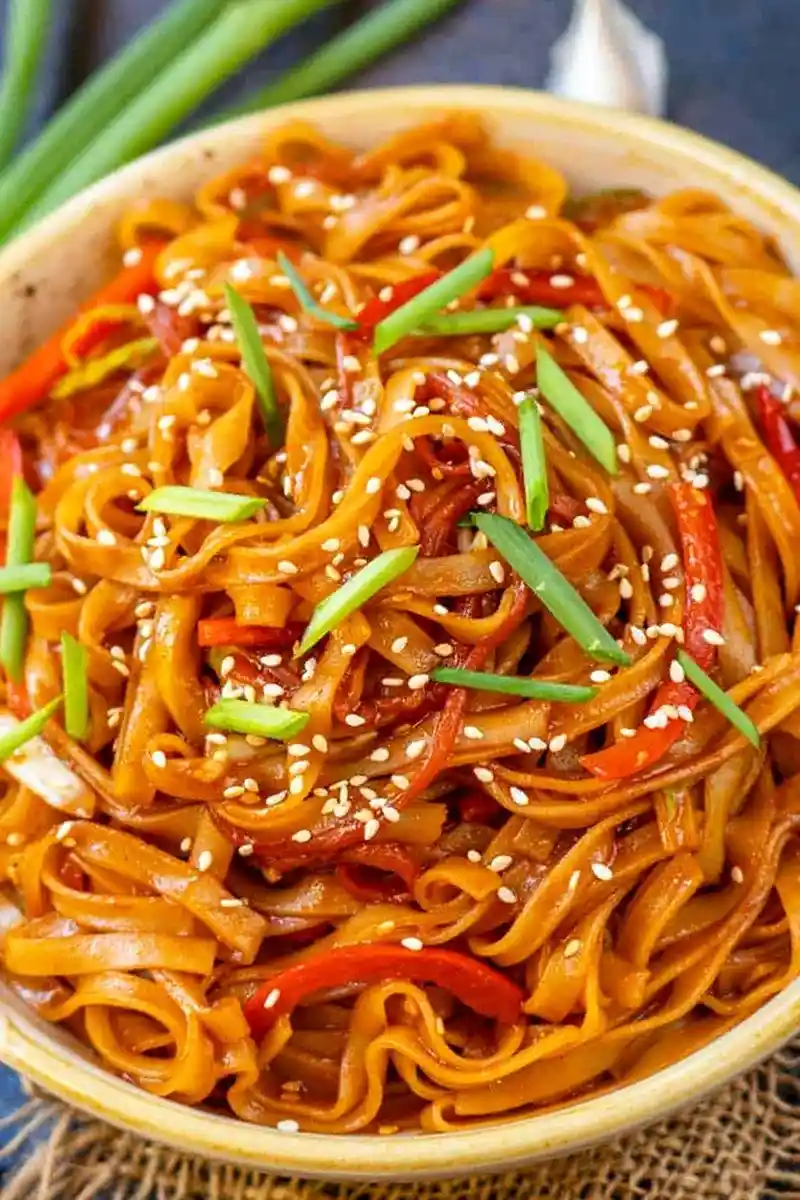
List of ingredients
- 8 ounces uncooked rice noodles (250 g) – the primary starch base.
- 3 tablespoons Gochujang paste – provides the signature spicy, fermented depth.
- 3 tablespoons Hoisin sauce – adds a thick, salty-sweet element.
- 2 tablespoons dark soy sauce – enhances the color and umami profile.
- 3 tablespoons lime juice – adds bright acidity to balance the heat.
- 2 tablespoons sesame oil – brings a toasted, nutty aroma.
- 1 tablespoon minced garlic – provides a sharp, aromatic foundation.
- 1 teaspoon brown sugar – rounds out the spicy and salty notes.
- 1 tablespoon vegetable oil – used for high-heat sautéing.
- ½ cup thinly sliced mixed bell peppers – adds crunch and sweetness.
- 1 cup shredded cabbage – provides texture and volume.
- ½ cup shredded carrots – adds natural sweetness and vibrant color.
step-by-step instructions
- Prepare the Noodles: Cook the rice noodles following the specific package directions. Drain them thoroughly and set them aside; avoid overcooking to ensure they do not become mushy during the final toss.
- Whisk the Sauce: In a small mixing bowl, combine the gochujang paste, hoisin sauce, dark soy sauce, lime juice, sesame oil, minced garlic, and brown sugar. Stir until the mixture is smooth and well combined.
- Sauté the Vegetables: Heat one tablespoon of vegetable oil in a large nonstick skillet over high heat. Add the mixed bell peppers, shredded cabbage, and shredded carrots, sautéing for approximately one minute to retain some crispness.
- Combine and Toss: Add the cooked noodles and the prepared sauce mixture to the skillet. Use tongs or two large spoons to toss everything together over the heat until the noodles are evenly coated.
- Finish and Serve: Garnish the dish with sliced green onions and toasted sesame seeds. Serve immediately while hot for the best flavor and texture.
Customizing Your Noodle Base
Using Traditional Rice Noodles
Rice noodles are the ideal choice for this recipe because their sticky texture allows the thick Gochujang sauce to cling to every strand. They provide a neutral base that highlights the pungent and spicy notes of the Korean paste.
Substituting with Wheat Pasta
If rice noodles are unavailable, spaghetti or linguine are excellent alternatives. While they change the texture to be more firm, they hold up well under the weight of the sauce and the sautéed vegetables.
Opting for Udon or Soba
Udon noodles provide a thick, chewy bite that makes the dish feel more substantial. Soba noodles, made from buckwheat, add an earthy flavor that complements the savory soy and sesame oil.
Low-Carb Noodle Alternatives
For a lighter version, zucchini noodles or konjac noodles work well. Since these release more water, sauté them briefly before adding the sauce to prevent the dish from becoming watery.
Refining the Sauce Profile
Adjusting the Heat Level
Gochujang comes in various spice levels ranging from mild to extremely hot. Select a paste that matches your preference, or add a pinch of red chili flakes if you want an extra kick of heat.
Substituting the Acid
While lime juice provides a bright tang, lemon juice is a suitable replacement. For a deeper, fermented tang, you can use rice vinegar or apple cider vinegar in equal measurements.
Alternative Sweeteners
Brown sugar adds a molasses-like sweetness, but honey or maple syrup are great alternatives. These liquid sweeteners blend easily into the sauce and provide a glossy finish to the noodles.
Increasing the Umami Depth
To deepen the savory flavor, you can add a teaspoon of mushroom powder or a splash of fish sauce. These ingredients enhance the dark soy sauce and create a more complex taste profile.
Expanding the Vegetable Mix
Adding Cruciferous Vegetables
Broccoli florets or baby bok choy add great nutritional value and texture. Sauté these slightly longer than the cabbage to ensure the stems are tender yet crisp.
Incorporating Root Vegetables
Snap peas and baby corn provide a satisfying crunch that contrasts with the soft noodles. Ensure they are sliced thinly so they cook through in the short sautéing window.
Using Earthy Mushrooms
Shiitake or oyster mushrooms add a meaty texture and an earthy aroma to the dish. Brown them in the oil before adding the other vegetables to maximize their flavor.
Adding Pungent Aromatics
Diced onions or sliced leeks can be added at the beginning of the sauté process. These aromatics build a layer of flavor that supports the garlic and Gochujang paste.
Adding Protein for a Full Meal
Integrating Sautéed Chicken
Thinly sliced chicken breast or thighs can be cooked in the skillet before the vegetables. Ensure the chicken is fully browned and cooked through before proceeding with the recipe steps.
Using Quick-Cooking Shrimp
Shrimp cook very quickly and pair perfectly with the spicy Korean flavors. Add them to the skillet just before the noodles to avoid overcooking them into a rubbery texture.
Incorporating Ground Beef
Brown ground beef in the skillet first, draining any excess fat before adding the oil and vegetables. This adds a rich, savory element that complements the sweetness of the hoisin sauce.
Tofu and Tempeh Options
Pressed extra-firm tofu or tempeh cubes can be seared until golden brown. This provides a plant-based protein that absorbs the spicy sauce effectively.
Professional Cooking Techniques
Mastering the High-Heat Sauté
Use a high-smoke-point oil like vegetable or canola oil to prevent burning. Sautéing vegetables quickly over high heat ensures they stay vibrant and crisp rather than steaming and becoming soft.
Preventing Noodle Clumping
After draining the rice noodles, rinse them briefly with cool water to remove excess starch. You can also toss them with a teaspoon of sesame oil to keep the strands separate before mixing.
Creating a Thicker Sauce Consistency
If you prefer a glossier, thicker sauce, create a cornstarch slurry. Mix two tablespoons of cornstarch with a half-cup of water and stir it into the noodles during the final two minutes of cooking.
Emulsifying the Sauce Properly
Whisk the sauce ingredients thoroughly in a separate bowl before adding them to the pan. This prevents clumps of Gochujang paste and ensures a consistent flavor in every bite.
Serving and Presentation
Adding a Fried Egg Topping
A fried egg with a runny yolk adds a creamy richness that cuts through the spice of the Gochujang. Place the egg gently on top of the plated noodles just before serving.
Fresh Garnish Varieties
Beyond green onions and sesame seeds, fresh cilantro or shredded nori can be used. These toppings add freshness and a salty, oceanic note that enhances the Asian profile.
Pairing with Korean Side Dishes
Serve these noodles alongside kimchi or pickled radish for a traditional experience. The acidity of fermented side dishes cleanses the palate between spicy bites of noodles.
Storage and Reheating Advice
Refrigeration Best Practices
Store leftover noodles in an airtight container in the refrigerator for up to four days. Keep the container sealed tightly to prevent the noodles from drying out or absorbing fridge odors.
Reheating via Microwave
When reheating in the microwave, add a tablespoon of water or broth to the container. This creates steam that re-hydrates the noodles and loosens the thickened sauce.
Reheating in a Skillet
For the best texture, reheat the noodles in a pan over medium heat with a splash of oil. Stir constantly to avoid burning the sugar in the sauce while heating through.
Common Troubleshooting
What to do if the sauce is too spicy?
If the heat is overwhelming, stir in an extra teaspoon of brown sugar or honey. Adding a splash of coconut milk or a dollop of Greek yogurt can also neutralize the spice.
How to fix mushy noodles?
Mushy noodles are usually caused by overboiling. To prevent this, cook them for one minute less than the package suggests, as they will continue to soften in the skillet.
What if the sauce is too thin?
If the sauce does not cling to the noodles, simmer the mixture for an additional two minutes. You can also use the cornstarch slurry method mentioned in the techniques section.
How to balance a sauce that is too salty?
Add a squeeze of fresh lime juice or a teaspoon of rice vinegar. The acidity helps cut through the saltiness of the soy and hoisin sauces.
Frequently Asked Questions
What exactly is Gochujang?
Gochujang is a savory, sweet, and spicy fermented condiment made from chili powder, glutinous rice, fermented soybeans, and salt. It is a staple in Korean cuisine known for its thick consistency and pungent flavor.
Can this recipe be made gluten-free?
Yes, you can make this gluten-free by using tamari instead of dark soy sauce and ensuring your hoisin sauce is certified gluten-free. Rice noodles are naturally gluten-free.
Where can I find Gochujang paste?
Gochujang is available in the Asian aisle of most major grocery stores. It can also be found at specialized Asian supermarkets or through online retailers.
Can these noodles be frozen?
Freezing is not recommended for rice noodles as the starch structure breaks down during the freezing and thawing process. This results in a mushy, unpleasant texture upon reheating.
Print
Spicy and Savory Korean Gochujang Rice Noodles
- Total Time: 20 minutes
- Yield: 4 servings 1x
- Diet: Vegan
Description
Sweet, spicy, and savory, these Korean Gochujang Noodles are a delicious quick fix for your lazy meals. These come together in just 20 minutes using simple ingredients.
Ingredients
- 8 ounces uncooked rice noodles (250 g)
- 3 tablespoons Gochujang paste
- 3 tablespoons Hoisin sauce
- 2 tablespoons dark soy sauce
- 3 tablespoons lime juice
- 2 tablespoons sesame oil
- 1 tablespoon minced garlic
- 1 teaspoon brown sugar
- 1 tablespoon vegetable oil
- ½ cup thinly sliced mixed bell peppers
- 1 cup shredded cabbage
- ½ cup shredded carrots
Instructions
- Cook The Noodles: Cook the noodles as per the package directions. Drain and set aside.
- Make The Sauce: Stir gochujang paste, hoisin sauce, dark soy sauce, lime juice, sesame oil, garlic, and sugar in a small bowl.
- Make The Noodles: Heat oil in a large skillet over high heat. Once the oil is hot, add mixed bell peppers, cabbage, and carrots and saute for a minute on high heat. Add the cooked noodles and the sauce mixture and toss everything well using two large spoons or a pair of tongs. Garnish with green onions and toasted sesame seeds. Serve hot.
Notes
Rice noodles are recommended as they hold the sauce well, but you can use pad Thai, stir-fry, or vermicelli. For a saucier consistency, stir 2 tablespoons cornstarch with ½ cup water and cook for 1-2 minutes. To make it non-vegetarian, add cooked chicken, turkey, shrimp, or beef.
- Prep Time: 10 minutes
- Cook Time: 10 minutes
- Category: Main Course
- Method: Stir-frying
- Cuisine: Korean
Nutrition
- Serving Size: 1 serving
- Calories: 369 kcal
- Sugar: 8 g
- Sodium: 818 mg
- Fat: 11 g
- Saturated Fat: 4 g
- Unsaturated Fat: 7 g
- Trans Fat: 0 g
- Carbohydrates: 63 g
- Fiber: 3 g
- Protein: 4 g
- Cholesterol: 1 mg