
Creating restaurant-quality lo mein at home is a simple process that transforms basic pantry staples into a vibrant, savory meal in under twenty minutes. This one-pot method utilizes your electric pressure cooker to meld flavors perfectly while ensuring the noodles maintain a delightful texture without the need for multiple pots or pans. It is a reliable solution for busy weeknights when you desire a nutritious, vegetable-packed dinner that satisfies cravings for authentic takeout flavors.

List of ingredients
- 1 (8 oz box) Asian noodles (or spaghetti)
- 1 ½ cups water or low-sodium vegetable broth
- 1 teaspoon sesame oil
- 1 cup cabbage, thinly sliced lengthwise
- 1 cup broccoli florets
- 2 carrots, peeled and sliced into matchsticks
- 1 teaspoon grated ginger
- 1 teaspoon minced garlic
- Pinch of salt
- 1 tablespoon sesame oil
- 2 tablespoons low-sodium soy sauce or liquid coconut amino
- 1 tablespoon hoisin sauce
- 1 tablespoon rice vinegar
- 1 tablespoon sweetener
- 1 tablespoon sesame seeds
- ¼ cup green onions, sliced
- Salt and pepper to taste
- 1 teaspoon sriracha or chili sauce
step-by-step instructions
- Step: Press the SAUTE button on the Instant Pot. Add sesame oil to the inner pot.
- Step: Add ginger, garlic, and all the vegetables. Sprinkle with a pinch of salt. Stir and cook until softened. Cancel SAUTE. Remove vegetables and set aside.
- Step: Add water or broth to the inner steel insert. Deglaze the pot by scraping the bottom.
- Step: Spread the noodles across the bottom of the pot. Add all sauce ingredients (soy sauce, hoisin, vinegar, sweetener, sesame oil, chili sauce). Give it a good stir.
- Step: Close the lid and set the valve to sealing position. Choose MANUAL, high pressure, for 4 minutes.
- Step: When done, perform a quick release by moving the valve to venting. Once the pin drops, carefully open the lid.
- Step: Stir the noodles to break up any clumps. Add the sautéed vegetables back in and stir well. Adjust seasoning if needed and garnish with sesame seeds and green onions to serve.
Practical Preparation Strategies
Ensuring Proper Noodle Texture
The key to achieving the perfect noodle consistency in a pressure cooker is to avoid overcooking. Because the residual heat remains in the pot after the pressure cycle, it is vital to perform a quick release of the steam as soon as the timer ends. If you leave the lid closed for a natural release, the noodles will continue to soften in the hot liquid, resulting in a mushy texture.
Mastering the Vegetable Crunch
Vegetables lose their texture if cooked under high pressure along with the noodles, which is why sautéing them separately is essential. By cooking them first, you maintain their structural integrity and vibrant color. This technique also allows you to season the vegetables individually, ensuring they are flavorful before they ever meet the noodles.
Customizing Your Lo Mein
Substituting Ingredients Effectively
If you find your pantry lacking specific items, you can easily adapt this recipe without sacrificing the overall quality. If rice vinegar is unavailable, a splash of lemon or lime juice can provide the necessary brightness. If Hoisin sauce is not on hand, a mixture of soy sauce, a touch of molasses, and a pinch of five-spice powder creates a surprisingly similar depth of flavor.
Incorporating Diverse Vegetable Medleys
This recipe is highly versatile regarding vegetable additions, allowing you to clean out your refrigerator. Snap peas, thinly sliced bell peppers, baby corn, or water chestnuts provide excellent textures that complement the existing flavor profile. Simply ensure that any harder vegetables are sliced into thin, uniform pieces so they reach the desired tenderness within the few minutes they spend in the hot sauté phase.
Serving and Storage Recommendations
Pairing for a Complete Meal
While these noodles are filling on their own, serving them alongside a protein source enhances the nutritional profile of the meal. Crispy tofu cubes, seared edamame with sea salt, or even a side of steamed bok choy with garlic make excellent accompaniments. For those who prefer a more robust dinner, serving the lo mein as a bed for sautéed mushrooms or roasted cauliflower adds a satisfying, meaty texture.
Effective Cooling and Reheating
If you have leftovers, allow the noodles to cool to room temperature before placing them in an airtight container to prevent excess condensation. When reheating, splash a tiny amount of water or vegetable broth over the noodles before warming them in the microwave or a pan. This prevents the starches from drying out and helps redistribute the sauce, returning the noodles to their original glossy consistency.
Advance Preparation Advice
To save time on busy evenings, you can pre-chop your vegetables and prepare the sauce mixture in a small jar earlier in the day. Keeping the components ready means you can move straight into the sautéing phase the moment you get home. However, it is best to cook the noodles immediately before serving, as they are at their peak quality right out of the pot.
Common Queries Addressed
Is it possible to use different types of pasta?
Absolutely, if you do not have Asian-style noodles, standard spaghetti, linguine, or even fettuccine work wonderfully in this recipe. The timing remains the same for most long, thin pasta varieties, though you may find that the starch content varies slightly depending on the brand. If using a thinner pasta like angel hair, reduce the pressure cooking time by one minute to prevent them from becoming too soft.
How can I make the dish less salty?
Soy sauce and Hoisin sauce are inherently salty, so using low-sodium versions is the most effective way to control the total sodium content. If the final dish tastes too salty for your preference, you can stir in a small amount of extra sweetener or add a handful of fresh bean sprouts or shredded cabbage at the very end to help dilute the concentration of the sauce. Always taste the sauce before pouring it over the noodles to gauge if you need to add extra water or broth to balance the salinity.
Why did the noodles clump together during cooking?
Noodles often clump if they are not arranged correctly before the lid is sealed or if they are not agitated enough after cooking. When placing them in the pot, ensure they are spread out and not in a single, thick mass, which allows the liquid to circulate around every strand. Stirring the noodles thoroughly immediately after opening the lid helps separate them and incorporates the sauce into every bite, effectively coating the surface and preventing them from sticking as they cool.
What is the benefit of deglazing the pot?
Deglazing is an essential step when using an electric pressure cooker because it ensures there is no residue stuck to the bottom of the steel insert. Any burnt or caramelized bits can cause the device to trigger a burn warning due to the high heat concentrated on the bottom. By adding your liquid and scraping the bottom with a spatula, you turn those flavorful bits into a rich component of your sauce while keeping the bottom of the pot clean for the cooking cycle.
Print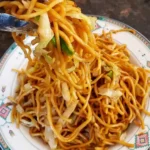
Vegetable Lo Mein Noodles – Instant Pot Recipe
- Total Time: PT20M
- Yield: 6 cups 1x
- Diet: Vegetarian
Description
Instant pot Vegetable Lo Mein noodles are easy to make at home. This 20 minute Chinese-style noodle dish is ideal for quick weeknight dinners and delivers delicious, savory flavors right in your own kitchen.
Ingredients
- 1 (8 oz box) Asian noodles (or spaghetti)
- 1 ½ cups water or low-sodium vegetable broth
- 1 teaspoon sesame oil
- 1 cup cabbage, thinly sliced lengthwise
- 1 cup broccoli florets
- 2 carrots, peeled and sliced into matchsticks
- 1 teaspoon grated ginger
- 1 teaspoon minced garlic
- Pinch of salt
- 1 tablespoon sesame oil
- 2 tablespoons low-sodium soy sauce or liquid coconut amino
- 1 tablespoon hoisin sauce
- 1 tablespoon rice vinegar
- 1 tablespoon sweetener
- 1 tablespoon sesame seeds
- ¼ cup green onions, sliced
- Salt and pepper to taste
- 1 teaspoon sriracha or chili sauce
Instructions
- Step: Press the SAUTE button on the Instant Pot. Add sesame oil to the inner pot.
- Step: Add ginger, garlic, and all the vegetables. Sprinkle with a pinch of salt. Stir and cook until softened. Cancel SAUTE. Remove vegetables and set aside.
- Step: Add water or broth to the inner steel insert. Deglaze the pot by scraping the bottom.
- Step: Spread the noodles across the bottom of the pot. Add all sauce ingredients (soy sauce, hoisin, vinegar, sweetener, sesame oil, chili sauce). Give it a good stir.
- Step: Close the lid and set the valve to sealing position. Choose MANUAL, high pressure, for 4 minutes.
- Step: When done, perform a quick release by moving the valve to venting. Once the pin drops, carefully open the lid.
- Step: Stir the noodles to break up any clumps. Add the sautéed vegetables back in and stir well. Adjust seasoning if needed and garnish with sesame seeds and green onions to serve.
Notes
If the noodles appear too wet, turn the sauté mode on for a few minutes to evaporate excess liquid. Remove the inner pot from the base immediately after cooking to prevent overcooking. Adjust the sauce ratios to your personal preference.
- Prep Time: PT5M
- Cook Time: PT15M
- Category: Dinner
- Method: Pressure Cooking
- Cuisine: Chinese
Nutrition
- Serving Size: 1 cup
- Calories: 236 kcal
- Sugar: 7 g
- Sodium: 736 mg
- Fat: 10 g
- Saturated Fat: 1 g
- Unsaturated Fat: 8 g
- Trans Fat: 0 g
- Carbohydrates: 27 g
- Fiber: 3 g
- Protein: 11 g
- Cholesterol: 0 mg