
This recipe creates incredibly tender Greek meatballs simmered in a rich, buttery lemon sauce. It is a practical main course that blends savory garlic and oregano with a bright, citrusy finish.
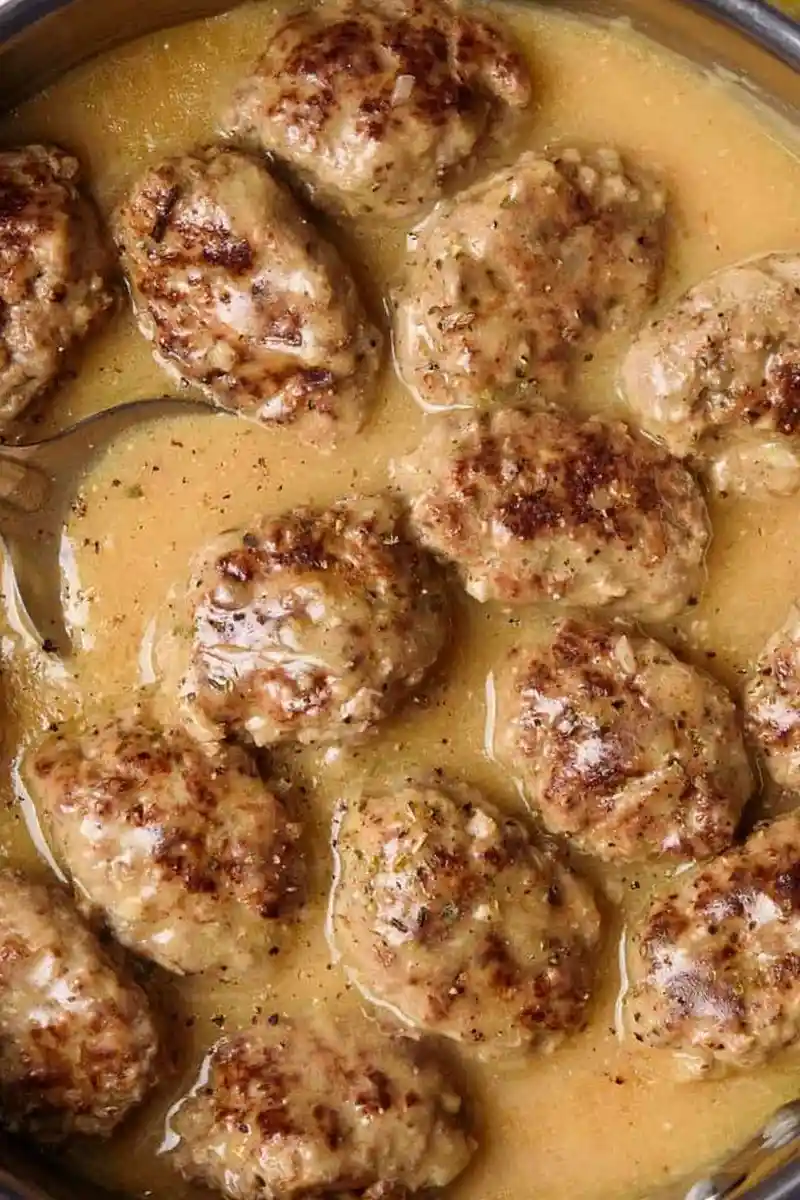
List of ingredients
- Olive oil – used for searing the meatballs.
- 600 grams (21 ounce) lean ground beef – replaces a mix of beef and pork for a consistent flavor.
- 1 large egg – acts as the primary binder for the meat.
- 100 grams (3.5 ounces) crustless bread – essential for a soft texture.
- 125 ml (½ cup) vegetable broth – used to soak the bread as an alcohol-free alternative to wine.
- 100 grams (½ cup) onion, minced – adds aromatic sweetness.
- 4 garlic cloves, minced – provides a pungent, savory base.
- ½ teaspoon ground cumin – adds a warm, earthy note.
- 1 teaspoon dried oregano – provides classic Mediterranean flavor, plus extra for garnish.
- 2 teaspoons dried parsley – or fresh minced for a brighter taste.
- 1 teaspoon fine sea salt – used in the meat, plus extra for the sauce.
- ½ teaspoon ground pepper – used in the meat, plus extra for the sauce.
- 4 tablespoons butter – creates the base for the creamy sauce.
- 4 tablespoons all-purpose flour – thickens the sauce into a glaze.
- 2 cups (500 ml) hot water or stock – vegetable, beef, or chicken stock for depth.
- 8-10 tablespoons lemon juice – provides the signature tangy finish.
step-by-step instructions
- Soak the bread: Tear the crustless bread into small pieces and soak them in the vegetable broth for a few minutes until softened.
- Mix meatball ingredients: In a large mixing bowl, combine the ground beef, egg, parsley, oregano, cumin, minced onion, minced garlic, salt, and pepper.
- Combine with bread: Add the soaked bread to the bowl, crumbling it as much as possible with your hands to ensure it integrates fully.
- Knead and shape: Knead the mixture until it reaches a uniform consistency. Shape the meat into 15 oval meatballs, each weighing approximately 65-70 grams.
- Chill the meatballs: Place the shaped meatballs on a plate and refrigerate for about one hour to help them firm up and hold their shape during cooking.
- Sear the meat: Heat a generous amount of olive oil in a large skillet over medium-high heat. Sear the meatballs on all sides until browned, ensuring you do not flip them for the first 4 minutes.
- Drain excess oil: Use two forks to turn the meatballs, then transfer them to paper towels to remove any excess oil.
- Prepare the roux: Melt the butter in a saute pan over moderate heat. Stir in the flour and cook for 2-3 minutes until the mixture is sandy in color and smells toasted.
- Create the sauce: Pour in the hot water or stock and the lemon juice, stirring constantly to create a smooth consistency.
- Simmer: Add the seared meatballs to the pan and cover with a lid. Simmer for about 20 minutes, turning the meatballs once and scraping the bottom of the pan to prevent sticking.
- Final seasoning: Taste the sauce and add salt or additional lemon juice if desired. Serve warm with freshly ground pepper and a sprinkle of dried oregano.
Meat Selection and Preparation
Selecting the Best Ground Beef
For this recipe, a lean ground beef with about 15% to 20% fat is ideal. If the meat is too lean, the meatballs may become dry, while too much fat can cause the sauce to become overly greasy.
Alternative Meat Combinations
While ground beef is the primary choice, you can substitute a portion of it with ground lamb for a deeper, more traditional Mediterranean flavor. Ground turkey can also be used, though you may need to add an extra tablespoon of olive oil to the mix to maintain moisture.
Achieving the Ideal Texture
The Science of the Panade
Soaking bread in liquid creates what is known as a panade. This technique prevents the meat proteins from binding too tightly during cooking, which results in a pillowy, soft texture rather than a dense, rubbery one.
The Importance of Refrigeration
Chilling the meatballs for an hour before searing is a critical step. This allows the fats to solidify and the binders to set, ensuring the meatballs maintain their oval shape and do not flatten in the pan.
Kneading for Uniformity
Gently knead the meat mixture until the ingredients are evenly distributed. Avoid over-working the meat, as excessive kneading can develop too much myosin, which leads to a tough and chewy consistency.
Mastering the Lemony Sauce
Cooking the Flour Roux
The butter and flour mixture, or roux, must be cooked until it reaches a sandy color. This process removes the raw taste of the flour and provides the structural stability needed to thicken the sauce into a glaze.
Balancing Acid Levels
Lemon juice can vary in intensity depending on the fruit. Start by adding 6-8 tablespoons and taste the sauce before adding the remaining amount to ensure the acidity complements the butter without overpowering it.
Evaluating Stock Options
Using a rich beef or chicken stock instead of water adds a layer of umami to the sauce. Vegetable stock is a great alternative for a cleaner, lighter flavor that lets the lemon and garlic stand out more.
Serving and Pairing Options
Best Potato Pairings
These meatballs pair exceptionally well with roasted Greek potatoes. Toss potato wedges in olive oil, lemon juice, garlic, and oregano, then roast them at 400°F until golden and crisp.
Rice Side Dish Ideas
For a more filling meal, serve the meatballs over a bed of steamed rice. Rice cooked with leeks (Prasorizo) or spinach (Spanakoryzo) adds traditional Greek flavor profiles that match the lemon sauce.
Adding Fresh Garnishes
Finish the dish with a sprinkle of fresh flat-leaf parsley and a few wedges of fresh lemon. The fresh acidity of a squeezed lemon wedge right before eating brightens the rich buttery notes of the sauce.
Preservation and Storage
Safe Refrigeration Practices
Store leftover meatballs and sauce in an airtight container in the refrigerator for up to 3 to 4 days. Ensure the dish is cooled to room temperature before sealing to prevent excess condensation.
Freezing Uncooked Meatballs
You can prepare the meat mixture and shape the meatballs in advance. Freeze them on a parchment-lined sheet pan until solid, then transfer them to a freezer bag for up to 2 months.
Managing Frozen Sauce
If you freeze the meatballs with the sauce, be aware that the emulsion may separate during thawing. Simply whisk the sauce over low heat when reheating to bring the butter and liquid back together.
Heating and Recovery
Low-Heat Reheating
The best way to reheat this dish is on the stovetop over low heat. Add a tablespoon of water or stock to the pan to loosen the sauce and prevent it from burning while the meatballs warm through.
Oven Warming Techniques
To reheat in the oven, place the meatballs and sauce in a baking dish and cover it tightly with aluminum foil. Heat at 325°F (160°C) for about 15-20 minutes to keep the meat moist.
Common Cooking Challenges
Preventing Meatball Crumbling
If the meatballs fall apart during searing, it usually means the binder was insufficient or the pan was too crowded. Ensure the egg is well-integrated and sear in batches to maintain high pan temperature.
Adjusting Sauce Thickness
If the sauce is too thin, simmer it uncovered for a few extra minutes to reduce the liquid. If it becomes too thick, stir in a small amount of hot water or stock until the desired consistency is reached.
Neutralizing Excess Salt
If the sauce tastes too salty, you can balance it by adding a small amount of unsalted butter or a teaspoon of sugar. Alternatively, adding a bit more lemon juice can help mask the saltiness through acidity.
Recipe Questions
Can I use ground turkey instead of beef?
Yes, ground turkey is a suitable substitute. However, because turkey is leaner, consider using a slightly higher fat-content turkey or adding a teaspoon of olive oil to the meat mixture to prevent dryness.
What is the best bread for soaking?
White sandwich bread with the crusts removed is the best choice. This ensures the panade is smooth and does not leave large chunks of crust in the finished meatballs.
Can I make this in a slow cooker?
This recipe is not recommended for a slow cooker. The searing process is essential for developing the Maillard reaction, which provides the deep flavor that balances the tart lemon sauce.
How do I prevent the sauce from breaking?
Avoid boiling the sauce vigorously once the meatballs are added. Keep the heat at a gentle simmer to ensure the butter and flour emulsion remains stable and creamy.
Print
Tender Greek Meatballs in a Creamy Lemon Sauce
- Total Time: 45 minutes
- Yield: 15 meatballs 1x
- Diet: General
Description
The softest and juiciest Greek meatballs in lemon sauce with butter. Flavored with garlic and dried oregano.
Ingredients
- olive oil
- 600 grams (21 ounce) lean ground beef
- 1 large egg
- 100 grams (3.5 ounces) crustless bread
- 125 ml (½ cup) vegetable broth
- 100 grams (½ cup) onion (minced)
- 4 garlic cloves (minced)
- ½ teaspoon ground cumin
- 1 teaspoon dried oregano
- 2 teaspoon dried parsley
- 1 teaspoon fine sea salt
- ½ teaspoon ground pepper
- 4 tablespoons butter
- 4 tablespoons all-purpose flour
- 2 cups (500 ml) hot water or vegetable stock
- 8–10 tablespoons lemon juice
Instructions
- Step: Soak bread in vegetable broth. Tear it into smaller pieces and then let it soak for a couple of minutes.
- Step: Add lean ground beef to a mixing bowl along with the egg, parsley, oregano, cumin, onion, garlic, salt, and pepper.
- Step: Add the soaked bread crumbling it as much as possible.
- Step: Knead meatball mixture until uniform.
- Step: Shape into 15 oval-shaped meatballs and place on a large plate. About 65-70 grams each.
- Step: Refrigerate for about an hour to become firm and hold their shape.
- Step: Heat a generous splash of olive oil in a large skillet or non-stick frying pan.
- Step: Sear the meatballs on both sides to get some color. Don’t flip or disturb them before the first 4 minutes of cooking have passed.
- Step: Turn them using two forks.
- Step: Transfer meatballs to paper towels to drain excess oil and start preparing the sauce.
- Step: In a saute pan melt butter over moderate heat.
- Step: Add the flour and cook for 2-3 minutes, stirring with a wooden spatula until sandy in color and smells like toasted flour.
- Step: Pour in the hot water or stock and the lemon juice. Stir well.
- Step: Add the meatballs and put the lid on.
- Step: Simmer for about 20 minutes turning them once and scraping the pan so they won’t stick at the bottom.
- Step: Taste the sauce for any additional seasoning. Serve warm with plenty of freshly ground pepper and some dried oregano on top.
Notes
Don’t add all the lemon juice in at once. It’s better to taste and adjust the amount to your liking.
- Prep Time: 15 minutes
- Cook Time: 30 minutes
- Category: Main Course
- Method: Pan-frying
- Cuisine: Greek
Nutrition
- Serving Size: 1 meatball
- Calories: 142 kcal
- Sugar: 1 g
- Sodium: 242 mg
- Fat: 8 g
- Saturated Fat: 4 g
- Unsaturated Fat: 4 g
- Trans Fat: 0.2 g
- Carbohydrates: 7 g
- Fiber: 1 g
- Protein: 10 g
- Cholesterol: 47 mg