
This one-pan meal combines ground chicken and pasta in a cheesy marinara sauce for a quick weeknight dinner. It delivers the classic flavors of chicken parmesan without the need for separate frying and baking steps.
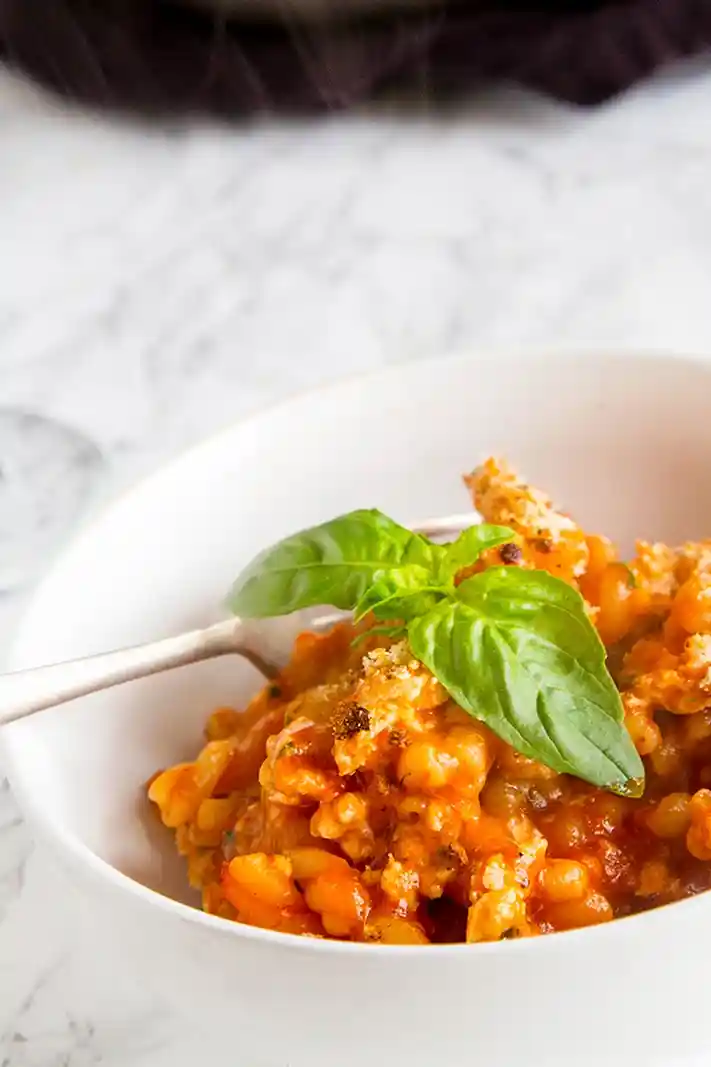
List of ingredients
- 1 tablespoon Olive Oil – used for sautéing chicken and onions.
- 1 pound Ground Chicken – the primary protein for a fast cook time.
- 1 small Onion, diced – adds a sweet, savory base flavor.
- 3 cloves Garlic, minced – provides essential aromatic depth.
- 1 pound Short Cut Pasta – such as penne or rotini for easy stirring.
- 1 24 ounce jar Marinara Sauce – the base for the savory red sauce.
- 2 cups Water – needed to cook the pasta directly in the skillet.
- 1 1/2 cups Mozzarella Cheese – divided for melting and topping.
- 1/2 cup Parmesan Cheese – adds a salty, nutty finish.
- 1/2 cup Panko Breadcrumbs – creates the signature crunchy topping.
step-by-step instructions
- Prepare Broiler: Preheat your oven broiler to ensure it is hot when the pan is ready for topping.
- Sauté Aromatics: In a large oven safe skillet, heat the olive oil over medium high heat. Add the ground chicken and diced onion, cooking for about 5 minutes while breaking the meat apart until onions are soft and chicken is mostly browned.
- Add Garlic: Stir in the minced garlic and cook for 1 minute until fragrant, being careful not to burn it.
- Combine Liquids and Pasta: Stir in the short cut pasta, marinara sauce, and water. Mix well and bring the liquid to a boil.
- Simmer: Cover the skillet with a lid and reduce the heat to low. Cook for 10-12 minutes or until the pasta is tender.
- Melt Cheese: Stir in 1 cup of the mozzarella cheese and the parmesan cheese until the sauce is creamy and melted.
- Brown the Top: Sprinkle the remaining 1/2 cup of mozzarella cheese and the panko breadcrumbs evenly over the top. Place the skillet under the broiler for 2 minutes until the cheese is bubbly and the crumbs are golden brown.
Selecting the Best Pasta Shapes
Using Penne for Better Sauce Adherence
Penne is a highly recommended pasta shape for skillet meals because its cylindrical form and ridges hold the sauce effectively. The hollow center allows the marinara to coat the inside of the pasta, ensuring every bite is flavorful. This shape also maintains its structure better than thinner pastas during the simmering process.
Opting for Rotini to Capture Cheese
Rotini or fusilli are excellent choices because their spiral shape creates more surface area for the sauce and melted cheese to cling to. This results in a richer taste in every forkful. These shapes are also sturdy enough to withstand the stirring required when adding the cheese at the end.
Choosing Farfalle for Texture
Farfalle, or bowtie pasta, provides a pleasant chew and a visually appealing presentation. The center pinch of the bowtie stays slightly firmer, providing a nice textural contrast to the soft ground chicken. It works well in this recipe as long as you ensure the liquid levels are sufficient to cook the center thoroughly.
Ground Chicken Preparation Tips
Selecting Lean Ground Chicken
Using lean ground chicken breast results in a lighter dish with less rendered fat in the sauce. This keeps the marinara tasting bright and clean. If you use a leaner blend, you may need to ensure your skillet is well-oiled to prevent sticking during the initial browning phase.
Utilizing Ground Chicken Thighs for Juiciness
Ground chicken made from thighs contains more fat, which translates to a juicier and more flavorful end result. The extra fat helps emulsify the sauce, making it feel creamier. When using thigh meat, you can slightly reduce the amount of olive oil used at the start.
Preventing Meat Clumping
To avoid large chunks of chicken, use a wooden spoon or a meat masher to break the meat into small crumbles as it browns. Smaller crumbles distribute more evenly throughout the pasta, ensuring a consistent ratio of meat to noodle in every serving. Continue stirring until the pink color has mostly disappeared.
Enhancing the Marinara Base
Adjusting Acidity with a Pinch of Sugar
Depending on the brand of marinara used, the sauce may be too acidic for some tastes. Adding a half teaspoon of granulated sugar can balance the sharpness of the tomatoes. This creates a more mellow, restaurant-style sauce that pairs better with the salty parmesan.
Adding Dried Italian Herbs
While most jarred sauces are seasoned, adding extra dried oregano or basil can refresh the flavor profile. Stir these in when adding the garlic to allow the heat to wake up the essential oils in the dried herbs. This adds a layer of aromatic complexity to the dish.
Incorporating Red Pepper Flakes for Heat
For those who prefer a spicy kick, adding a pinch of crushed red pepper flakes during the sauté phase is effective. The heat infuses into the oil and chicken before the sauce is added. This provides a subtle warmth that cuts through the richness of the mozzarella cheese.
Perfecting the Broiled Crust
Panko vs. Traditional Breadcrumbs
Panko breadcrumbs are preferred for this recipe because they are larger and airier than standard breadcrumbs. This results in a superior crunch that mimics a traditional fried chicken parmesan coating. Standard breadcrumbs will work but will produce a denser, more compact crust.
Monitoring the Broiler Closely
Broilers vary significantly in intensity, and cheese can go from golden to burnt in seconds. Keep a close eye on the skillet and remove it as soon as the panko turns golden brown. If your broiler is very powerful, check the pan after 60 seconds.
Preventing Breadcrumb Burning
If you find the breadcrumbs are browning too quickly before the cheese melts, toss them with a tiny bit of melted butter first. This coats the crumbs in fat, which helps them brown more evenly and prevents them from drying out under the intense heat.
Vegetable Add-ins for Extra Nutrition
Adding Fresh Baby Spinach
Stirring in a few handfuls of fresh baby spinach right after the pasta is cooked allows the leaves to wilt into the sauce. The spinach adds a pop of color and a boost of nutrients without altering the flavor significantly. It is best added at the very end to prevent the leaves from overcooking.
Integrating Diced Zucchini
Diced zucchini can be sautéed along with the onions and ground chicken at the start of the recipe. Zucchini absorbs the flavors of the garlic and marinara beautifully. Ensure the cubes are small so they cook through at the same rate as the chicken.
Adding Sliced Mushrooms
Sliced cremini or button mushrooms add an earthy depth and a meatier texture to the skillet. Sauté them until they release their moisture and brown slightly before adding the garlic. This prevents the final sauce from becoming too watery.
Using Diced Bell Peppers
Red or yellow bell peppers add a mild sweetness and a bright color to the dish. Like the onions, these should be sautéed early in the process to soften them. They provide a nice textural contrast to the soft pasta and ground meat.
Choosing the Right Equipment
Using a Cast Iron Skillet
A cast iron skillet is ideal for this recipe because it distributes heat evenly and transitions perfectly from the stove to the broiler. Its heavy base prevents the bottom of the pasta from scorching during the simmering process. Just ensure the handle is oven-safe.
Stainless Steel Skillet Benefits
Stainless steel pans are excellent for browning the ground chicken, as they create a good sear that adds flavor. When using stainless steel, be mindful of the heat levels to prevent the marinara from sticking to the bottom. A lid that fits tightly is essential for the steaming phase.
Non-Stick Oven-Safe Pans
Non-stick pans make cleanup much easier, especially when melting large amounts of cheese. Ensure your non-stick pan is rated for broiler temperatures, as some coatings can degrade under extreme heat. Use silicone or wooden utensils to avoid scratching the surface.
Protein and Cheese Substitutions
Swapping Ground Chicken for Turkey
Ground turkey is a direct substitute for ground chicken and offers a similar nutritional profile. Turkey tends to have a slightly stronger flavor, which pairs well with the robust marinara. Use the same quantity of one pound to maintain the recipe balance.
Substituting Low-Moisture Mozzarella
If you cannot find shredded mozzarella, using a block of low-moisture mozzarella and grating it yourself often results in a better melt. Pre-shredded cheeses are coated in potato starch to prevent clumping, which can make the sauce slightly grainier. Fresh mozzarella can be used but may release more water into the dish.
Using Pecorino Romano Instead of Parmesan
Pecorino Romano is a saltier, sharper alternative to Parmesan cheese. It adds a bolder punch to the dish that cuts through the creaminess of the mozzarella. If using Pecorino, you may want to reduce any additional salt you add to the sauce.
Whole Wheat or Gluten-Free Pasta Options
Whole wheat pasta adds more fiber and a nuttier taste, though it may require an extra minute or two of simmering. For gluten-free options, use a brown rice or chickpea pasta. Note that gluten-free pastas can release more starch, so you may need a splash more water to keep the sauce loose.
Serving and Pairing Suggestions
Serving with Garlic Bread
Toasted garlic baguette slices are the perfect accompaniment for scooping up extra sauce and melted cheese. Brush slices with garlic butter and broil them on a separate tray while the pasta is under the broiler. This adds a complementary crunch to the meal.
Pairing with a Fresh Caesar Salad
A crisp Caesar salad with romaine lettuce and creamy dressing provides a refreshing contrast to the heavy, cheesy pasta. The acidity of the lemon in the dressing helps cleanse the palate between bites. Serve the salad chilled to balance the heat of the skillet.
Garnishing with Fresh Parsley
Finely chopped fresh parsley sprinkled over the top after broiling adds a bright, clean flavor. It also provides a vibrant green color that makes the dish look more professional. Basil leaves are another great option for an authentic Italian aroma.
Storage and Preservation
Refrigerating Leftovers
Store any remaining pasta in an airtight container in the refrigerator for up to three to four days. The pasta will continue to absorb the sauce as it sits, so it may become thicker over time. Keep the container sealed tightly to prevent the cheese from drying out.
Freezing the Pasta Skillet
This dish can be frozen for up to two months. Allow the skillet to cool completely before transferring portions into freezer-safe bags or containers. Note that the panko crust may lose some of its crunch during the freezing and thawing process.
Maintaining Sauce Consistency
When storing, if you notice the pasta has absorbed too much liquid, you can add a tablespoon of water or marinara before reheating. This restores the creamy texture of the sauce. Avoid over-stirring while frozen or cold to prevent the pasta from breaking.
Reheating Methods
Microwave Reheating
For a quick reheat, place a portion in a microwave-safe dish and cover it with a damp paper towel. Heat in 1-minute intervals, stirring gently in between. The damp towel helps steam the pasta and prevents the edges from becoming hard.
Stovetop Reheating
Place the leftovers in a small pan over low heat and add a splash of water or beef broth. Cover the pan and stir occasionally until the cheese is melted and the pasta is heated through. This method better preserves the texture of the noodles.
Oven Reheating for Crust Retention
To regain the crunch of the panko topping, reheat the dish in the oven at 350 degrees Fahrenheit. Cover the pan with foil to keep the moisture in, then remove the foil for the last two minutes to crisp the top. This is the best method for maintaining the original dish quality.
Common Cooking Issues
Dealing with Runny Sauce
If the sauce appears too thin after the simmering period, remove the lid and simmer for an additional two to three minutes. This allows excess water to evaporate, thickening the marinara. Ensure you stir frequently to prevent the bottom from sticking.
Fixing Overcooked Pasta
If the pasta becomes too soft, reduce the simmering time by one or two minutes in future attempts. To save a current batch, stop the cooking process immediately by stirring in the cheese, which helps bind the ingredients and adds structure back to the dish.
Preventing Chicken Lumps
If the ground chicken forms large clumps, use a sturdy spatula to press them against the side of the pan while browning. Adding the onions at the same time helps separate the meat. If clumps persist, you can carefully break them up with a fork during the simmering stage.
Avoiding Burnt Breadcrumbs
If the panko burns before the cheese melts, your broiler rack may be too close to the heat element. Move the oven rack down one level for a more gradual browning process. You can also sprinkle a small amount of extra cheese over the crumbs to protect them.
Frequently Asked Questions
Can I use a different protein instead of chicken?
Yes, ground turkey or lean ground beef can be used as substitutes. Ground beef will provide a richer, heavier flavor, while turkey remains similar to chicken. Maintain the same quantity of one pound for the best results.
Do I have to use an oven-safe skillet?
If your skillet is not oven-safe, you can transfer the finished pasta to a baking dish before adding the topping and broiling. Alternatively, you can skip the broiling step entirely, although you will lose the crunchy panko texture.
Can I make this recipe without panko?
You can replace panko with Italian seasoned breadcrumbs or omit them entirely. If omitting the crumbs, the dish will still be delicious and cheesy, but it will lack the textural contrast of the traditional parmesan crust.
How do I prevent the pasta from sticking to the pan?
Ensure you use enough olive oil at the start and stir the pasta frequently once the liquid is added. Using a high-quality non-stick or well-seasoned cast iron pan also significantly reduces the chance of sticking.
Is it possible to add cream to the sauce?
Adding two to four tablespoons of heavy cream or a dollop of ricotta cheese after the pasta is cooked will create a creamy pink sauce. This makes the dish richer and more indulgent, pairing well with the mozzarella.
Print
One Pan Chicken Parmesan Pasta Skillet
- Total Time: 25 minutes
- Yield: 5 servings 1x
- Diet: General
Description
Chicken Parmesan Pasta Skillet will be the meal your family will love. Fast, easy, and so wonderful!
Ingredients
- 1 tablespoon Olive Oil
- 1 pound Ground Chicken
- 1 small Onion (Diced)
- 3 cloves Garlic (Minced)
- 1 pound Short Cut Pasta
- 1 24 ounce jar Marinara Sauce
- 2 cups Water
- 1 1/2 cups Mozzarella Cheese
- 1/2 cup Parmesan Cheese
- 1/2 cup Panko Breadcrumbs
Instructions
- Preheat: Preheat broiler.
- Heat: In a large oven safe skillet heat oil over medium high heat.
- Cook: Add ground chicken, and onion. Cook for about 5 minutes, breaking apart until the onions are soft and chicken is mostly cooked.
- Sauté: Add garlic, and cook for 1 minute.
- Combine: Stir in pasta, marinara sauce, and water. Stir and bring to boil.
- Simmer: Cover and reduce heat. Cook for 10-12 minutes until the pasta is cooked.
- Melt: Stir in 1 cup of Mozzarella cheese and Parmesan cheese until melted.
- Broil: Sprinkle remaining mozzarella cheese and bread crumbs over the top. Place under broiler for 2 minutes until golden brown.
Notes
Ensure your skillet is oven safe for the broiling step. If not, you can skip the broiling process and the dish will still be delicious.
- Prep Time: 5 minutes
- Cook Time: 20 minutes
- Category: Dinner
- Method: Skillet
- Cuisine: Italian
Nutrition
- Serving Size: 1 serving
- Calories: 814 kcal
- Sugar: 12 g
- Sodium: 1150 mg
- Fat: 42 g
- Saturated Fat: 16 g
- Unsaturated Fat: 26 g
- Trans Fat: 0 g
- Carbohydrates: 58 g
- Fiber: 5 g
- Protein: 36 g
- Cholesterol: 110 mg