
Create a restaurant-style meal at home with this guide to crispy General Tso’s Chicken. This recipe combines a crunchy breading with a balanced sweet and spicy glaze for a professional result.

List of ingredients
- 3-4 chicken breasts, cut into cubes – ensure pieces are uniform for even cooking.
- 3/4 cup flour – provides the base for the coating.
- 3/4 cup cornstarch – creates a crispier texture than flour alone.
- 1/2 tsp. salt – enhances the natural flavor of the chicken.
- 1/2 tsp. black pepper – adds a subtle warmth to the breading.
- 2 large egg whites – acts as a binder for the flour mixture.
- 1/2 cup vegetable oil – used for pan frying the chicken.
- 2/3 cup hoisin sauce – provides a thick, sweet, and salty base.
- 1/3 cup rice vinegar – adds necessary acidity to balance the sugar.
- 1/3 cup low sodium soy sauce – adds umami while controlling salt levels.
- 1/4 cup brown sugar – balances the acidity and helps the sauce glaze.
- 3 tsp. minced garlic – adds a pungent, savory depth.
- 1 tsp. ground ginger – provides a traditional Asian flavor profile.
- 1/2 tsp. red pepper flakes – controls the level of heat in the dish.
- 2 tsp. cornstarch – used as a thickener for the final sauce.
step-by-step instructions
- Prepare the glaze: In a medium size mixing bowl, whisk together hoisin sauce, rice vinegar, soy sauce, brown sugar, minced garlic, ground ginger, red pepper flakes, and 2 tsp. cornstarch. Set the mixture aside until the chicken is ready.
- Mix the dry breading: Combine flour, 3/4 cup cornstarch, salt, and pepper in a large ziplock bag. Shake the bag vigorously to ensure all ingredients are evenly distributed.
- Coat the chicken: Place the cubed chicken and beaten egg whites in a medium mixing bowl. Toss the pieces thoroughly to ensure every side is evenly coated.
- Heat the oil: Set a large skillet over medium-high heat and add 1/2 cup of vegetable oil. Wait until the oil is shimmering and hot before adding the chicken.
- Bread the chicken: Use a large slotted spoon to scoop the chicken pieces, allowing excess egg white to drip off. Drop the chicken into the ziplock bag and shake until the breading is evenly applied.
- Fry the pieces: Fry the chicken in small batches to avoid overcrowding the pan. Cook until the pieces are golden brown and the interior is cooked through, then transfer to a sheet pan lined with paper towels.
- Thicken the sauce: Wipe the skillet clean with a paper towel to remove excess oil. Pour the prepared sauce into the skillet and simmer over medium heat until it begins to thicken.
- Combine and coat: Add the fried chicken back into the skillet. Toss the pieces quickly to ensure they are evenly coated in the thickened glaze.
- Serve and garnish: Serve the dish immediately over white or brown rice. Garnish with sliced green onions for a fresh finish.
Optimizing Texture and Crispiness
The Role of Cornstarch in Breading
Combining cornstarch with all-purpose flour prevents excessive gluten development during the breading process. This results in a lighter, crispier shell that holds up better against the sauce. Cornstarch also absorbs surface moisture more effectively than flour alone.
Maintaining Ideal Oil Temperature
Ensure the oil is hot enough to sear the chicken immediately upon contact. If the oil is too cool, the breading will absorb the fat, leading to a greasy texture. You can test the temperature by dropping a small pinch of flour into the oil; it should sizzle and bubble instantly.
Avoiding Pan Overcrowding
Frying the chicken in batches is essential to maintain a consistent pan temperature. Adding too many pieces at once drops the oil temperature rapidly, which can cause the chicken to steam rather than fry. This often leads to clumping and a loss of crispiness.
Effective Draining Techniques
Placing fried chicken on a paper-towel-lined sheet pan removes excess surface oil. This prevents the final dish from becoming overly oily once the sauce is added. Avoid stacking the chicken too high on the pan to keep air circulating around the pieces.
Ingredient Substitutions and Alternatives
Using Chicken Thighs for More Moisture
Boneless, skinless chicken thighs can be used instead of breasts for a richer flavor and more tender texture. Thighs are less likely to dry out during the frying process. Note that thighs may require a slightly longer cooking time in the skillet.
Gluten-Free Breading Options
To make this recipe gluten-free, replace the all-purpose flour with a 1:1 gluten-free flour blend or additional cornstarch. Ensure the soy sauce used is a certified gluten-free tamari. This modification maintains the signature crunch without the wheat.
Adjusting the Heat Level
The spiciness of the dish is controlled by the red pepper flakes. For a milder version, reduce the amount to 1/4 tsp or omit them entirely. To increase the heat, add a pinch of cayenne pepper or use fresh Thai bird’s eye chilies.
Alternative Vinegar Choices
If rice vinegar is unavailable, apple cider vinegar is a suitable substitute due to its mild sweetness and acidity. White distilled vinegar can also work, though it is sharper and may require a small increase in brown sugar to balance the flavor.
Low Sodium Soy Sauce Benefits
Using low sodium soy sauce allows you to control the saltiness of the final glaze. This prevents the sauce from becoming overly salty as it reduces and thickens in the pan. You can always add a pinch of salt at the end if needed.
Customizing the Flavor Profile
Adding Fresh Aromatics
While ground ginger is convenient, fresh grated ginger adds a brighter, more zesty note to the sauce. Freshly minced garlic also provides a more intense aroma than jarred versions. Use a microplane for the ginger to ensure it blends smoothly into the glaze.
Incorporating Sesame Oil
A teaspoon of toasted sesame oil added to the sauce provides a nutty, aromatic depth common in restaurant versions. Add this at the very end of the simmering process to preserve its delicate flavor. This adds a professional layer of complexity to the dish.
Enhancing the Glaze with Honey
Substituting a portion of the brown sugar with honey creates a glossier finish and a different sweetness. Honey helps the sauce cling more effectively to the breaded chicken. This variation results in a stickier texture that is highly desirable.
Adding Whole Dried Chilies
For an authentic visual appeal and deeper heat, sauté whole dried red chilies in the oil before adding the sauce. These chilies infuse the oil with a smoky spice. This technique is common in traditional Sichuan-style preparations.
Serving and Presentation Suggestions
Pairing with Various Grains
Steamed jasmine rice is the traditional accompaniment, providing a neutral base that balances the bold sauce. Brown rice or quinoa can be used for added fiber and a nuttier taste. For a low-carb option, cauliflower rice works well to soak up the glaze.
Complementary Vegetable Sides
Sautéed broccoli, snap peas, or carrots add color and nutritional balance to the meal. Steam these vegetables separately and serve them alongside the chicken. Alternatively, toss the vegetables into the sauce just before adding the chicken.
Garnishing for Visual Appeal
Freshly sliced green onions provide a sharp contrast to the sweet sauce and a pop of color. Toasted sesame seeds add a professional touch and a slight crunch. Sprinkle these over the dish immediately before serving.
Plating for Maximum Crispiness
To keep the chicken crispy, avoid letting it sit in the sauce for too long before serving. Plate the chicken and sauce immediately and serve on warmed plates. This prevents the breading from absorbing too much moisture from the glaze.
Storage and Reheating Guidelines
Refrigerating Leftovers
Store leftover chicken in an airtight container in the refrigerator for up to three days. Allow the chicken to cool slightly before sealing the lid to prevent excess steam from softening the crust. Keep the rice in a separate container to maintain its texture.
Freezing Instructions
While fried chicken can be frozen, the texture of the breading may change upon thawing. To freeze, flash-freeze the coated chicken on a tray before transferring to a freezer bag. This prevents the pieces from sticking together during storage.
Best Reheating Methods
The oven or an air fryer is the best way to reheat General Tso’s Chicken to restore its crispiness. Heat at 350 degrees F until the chicken is hot through. Avoid the microwave, as it often makes the breading rubbery and soft.
Maintaining Sauce Consistency
If the sauce has thickened too much in the refrigerator, add a teaspoon of water or broth when reheating. This loosens the glaze and allows it to coat the chicken evenly again. Stir gently to avoid breaking the fried coating.
Advanced Preparation Advice
Making the Sauce Ahead of Time
The sauce can be whisked and stored in the refrigerator up to 48 hours in advance. This reduces the active cooking time on the day of serving. Simply give the sauce a quick stir before pouring it into the skillet to redistribute the cornstarch.
Prepping the Chicken Early
You can cube the chicken and store it in the refrigerator in a sealed container. However, avoid breading the chicken too far in advance. Breading too early can cause the flour to become gummy and affect the final crunch.
Organizing Your Workspace
Practice mise en place by measuring all ingredients before you start cooking. Have your ziplock bag ready and your oil heating while you coat the chicken. This efficiency prevents the chicken from sitting in egg whites for too long.
Troubleshooting Common Issues
Fixing a Thin Sauce
If the sauce does not thicken sufficiently during simmering, create a small slurry. Mix one teaspoon of cornstarch with one teaspoon of cold water and stir it into the boiling sauce. Continue to simmer for one minute until the desired thickness is reached.
Preventing Chicken Clumping
If the chicken pieces stick together in the pan, ensure you are using enough oil and not overcrowding. Use a slotted spoon to gently separate the pieces as they fry. Shaking the ziplock bag thoroughly ensures a dry coating that resists sticking.
Preventing Garlic from Burning
Since the garlic is mixed into the sauce rather than sautéed alone, it is less likely to burn. However, keep the heat at a medium simmer. If the sauce begins to bubble too aggressively, lower the heat to protect the aromatic components.
Managing Excess Oil
If the skillet contains too much oil after frying, use a paper towel to carefully wipe out the excess before adding the sauce. This ensures the sauce emulsifies properly rather than separating. Use tongs to hold the paper towel for safety.
Frequently Asked Questions
Can I bake the chicken instead of frying?
Yes, you can bake the chicken at 400 degrees F on a parchment-lined tray for 15-20 minutes. While it will be less crunchy than pan-frying, it is a healthier alternative. Toss the baked pieces in the simmered sauce just as you would with the fried version.
Can I use a different type of vinegar?
Apple cider vinegar is the closest substitute for rice vinegar. White vinegar can be used, but you may need to add an extra teaspoon of brown sugar to offset the sharper acidity. Avoid balsamic vinegar as it will change the color and flavor too significantly.
How long does the sauce keep in the fridge?
The prepared sauce stays fresh in an airtight container for about 5 days. Because it contains cornstarch, it may thicken further while cold. Simply whisk in a small amount of water to return it to its original consistency.
Is it possible to make this without eggs?
You can replace the egg whites with a cornstarch slurry or a small amount of oil to help the flour adhere. However, egg whites provide the strongest bond and the most stable crust. For a vegan option, a flax-egg or cornstarch batter works well.
Why does my chicken get soggy quickly?
The breading absorbs the sauce over time, which naturally softens the crust. To minimize this, ensure the chicken is fried until very golden and toss it in the sauce immediately before serving. Avoid letting the chicken sit in the sauce for several minutes before plating.
Print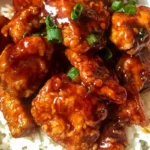
Crispy Homemade General Tso’s Chicken
- Total Time: 50 minutes
- Yield: 4 servings 1x
- Diet: General
Description
This homemade General Tso’s Chicken is made with crispy pan fried chicken and coated in a sweet and slightly spicy sauce. A classic take-out dish that’s simple to make at home and tastes even better than your favorite Chinese restaurant.
Ingredients
- 3–4 chicken breasts, cut into cubes
- 3/4 cup flour
- 3/4 cup cornstarch
- 1/2 tsp. salt
- 1/2 tsp. black pepper
- 2 large egg whites
- 1/2 cup vegetable oil
- 2/3 cup hoisin sauce
- 1/3 cup rice vinegar
- 1/3 cup low sodium soy sauce
- 1/4 cup brown sugar
- 3 tsp. minced garlic
- 1 tsp. ground ginger
- 1/2 tsp. red pepper flakes
- 2 tsp. cornstarch
Instructions
- Step: In a medium size mixing bowl whisk together hoisin sauce, rice vinegar, soy sauce, brown sugar, minced garlic, ground ginger, red pepper flakes, and 2 tsp. cornstarch. Set aside.
- Step: In a large ziplock bag combine flour, 3/4 cup cornstarch, salt and pepper. Shake the bag to mix the ingredients well.
- Step: In a medium size mixing bowl add cubed chicken and beaten egg whites. Give the chicken a good toss to coat it evenly.
- Step: Heat a large skillet over medium-high heat and add 1/2 cup of oil.
- Step: With a large slotted spoon scoop up chicken pieces and allow egg whites to drip off, then drop chicken into ziplock bag. Shake chicken until evenly coated.
- Step: Once oil is hot fry the chicken in batches (don’t overly crowd) until golden brown and chicken is cooked through. Remove fried chicken and place on a sheet pan covered in paper towels.
- Step: Once all the chicken has been fried, wipe skillet out with a paper towel to remove excess oil. Pour Sauce into skillet and simmer until it starts to thicken. Add Chicken to the skillet and toss to coat all the chicken evenly in the sauce.
- Step: Serve immediately with white or brown rice and garnish with green onions.
Notes
Pan fry chicken in batches to prevent sticking or clumping. Serve immediately, as the coating will absorb the sauce and can become soft over time.
- Prep Time: 15 minutes
- Cook Time: 35 minutes
- Category: Chicken, Main Course
- Method: Pan Frying
- Cuisine: Asian
Nutrition
- Serving Size: 1 serving
- Calories: 581 kcal
- Sugar: 27.6 g
- Sodium: 794 mg
- Fat: 29.4 g
- Saturated Fat: 4.1 g
- Unsaturated Fat: 25.3 g
- Trans Fat: 0 g
- Carbohydrates: 68.1 g
- Fiber: 1 g
- Protein: 11.4 g
- Cholesterol: 16.3 mg