
This creamy one-pot pasta captures the bold, savory flavors of a classic Philly cheesesteak. It is an efficient skillet meal that combines ground beef, melted cheeses, and tender noodles for a satisfying dinner.
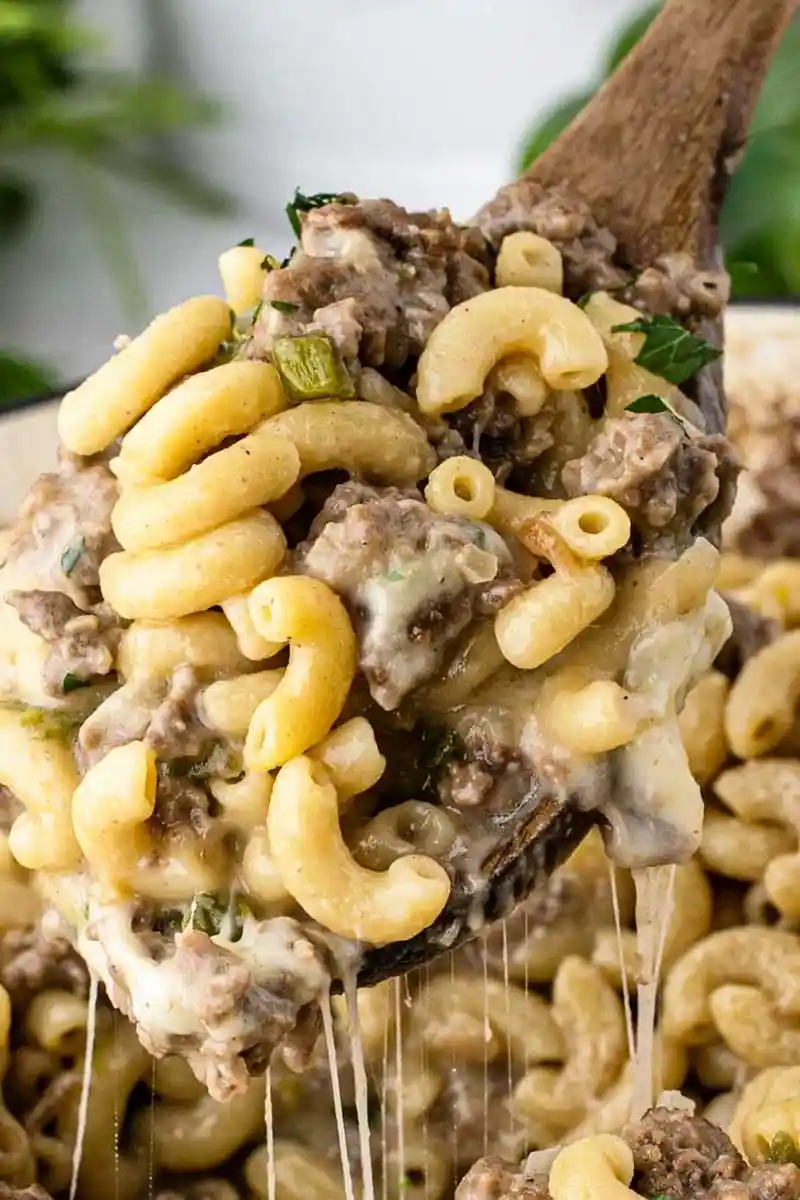
List of ingredients
- 2 lbs ground beef – lean cuts are recommended to minimize excess grease.
- 1 Green Bell Pepper, diced – provides the traditional aromatic base and color.
- 1/2 Onion, diced – adds a mild sweetness to the meat mixture.
- 2 tsp minced garlic – adds a pungent, savory depth to the sauce.
- 1 tsp pepper – provides a subtle warmth and spice.
- 3 tbsp Worcestershire Sauce – contributes an umami, salty complexity.
- 1 Packet French Onion Soup Mix – concentrates the onion and beef flavors.
- 4 cups Beef Broth – the primary liquid used to cook the pasta.
- 1 Cup of Milk – creates a creamy, rich consistency for the sauce.
- 3 cups Large Elbow Noodles, uncooked – the hearty base for the dish.
- 8 oz Sliced Provolone Cheese, torn into smaller pieces – for a classic cheesesteak melt.
- 8 oz Mozzarella Cheese, shredded – adds elasticity and creaminess to the final texture.
step-by-step instructions
- Brown the meat and vegetables: In a large skillet over medium heat, cook 2 lbs ground beef with 1/2 diced onion, 1 diced green bell pepper, 2 teaspoons minced garlic, and 1 packet French onion soup mix until the beef is browned. Drain any excess grease.
- Add savory liquids: Stir in 3 tablespoons Worcestershire sauce, 1 teaspoon black pepper, and 4 cups beef broth.
- Incorporate creaminess: Slowly stir in 1 cup milk and bring the mixture to a boil.
- Cook the pasta: Add 3 cups uncooked elbow noodles, reduce heat to low, and cover.
- Simmer until tender: Cook for 7–10 minutes, stirring occasionally, until the noodles are tender.
- Melt the cheese: Stir in 8 oz torn provolone cheese and 8 oz shredded mozzarella cheese until fully melted.
- Final touch: Serve warm and enjoy!
Optimizing the Beef Base
Selecting the Ideal Fat Ratio
Using 90% lean ground beef helps reduce the amount of grease that needs to be drained. If using 80/20 beef, ensure you drain the skillet thoroughly to prevent the final sauce from appearing oily.
Achieving a Proper Sear
Avoid overcrowding the pan to ensure the beef browns rather than steams in its own juices. Browning the meat thoroughly before adding liquids develops a deeper, more complex flavor profile.
Substituting Ground Turkey for Leaner Protein
Ground turkey is a practical alternative for those seeking a leaner meal. Since turkey is drier, consider adding a tablespoon of olive oil to the skillet before browning to keep the meat moist.
Expanding the Vegetable Profile
Adding Sliced Mushrooms for Texture
Adding 8 oz of sliced cremini or white button mushrooms mimics the texture of sliced ribeye. Sauté the mushrooms with the onions and peppers until their moisture has evaporated.
Using Multi-Colored Bell Peppers
While green peppers are traditional, red or yellow peppers add a sweeter note to the dish. A blend of three colors improves the visual presentation without altering the core flavor.
Using Onion Powder for Quick Prep
If fresh onions are unavailable, substitute 1 teaspoon of onion powder for the 1/2 diced onion. This provides the flavor but removes the textural element of the sautéed vegetable.
Pasta and Sauce Adjustments
Trying Alternative Pasta Shapes
Penne, rigatoni, or large shells are excellent alternatives to elbow noodles. These shapes are better at trapping the thick cheese sauce inside the pasta tubes.
Correcting the Sauce Consistency
If the sauce is too thick after cooking, whisk in an additional 1/4 cup of beef broth. Conversely, if it is too thin, simmer the mixture uncovered for 2-3 minutes to reduce the liquid.
Increasing the Heat Level
For a spicy version, stir in 1/2 teaspoon of crushed red pepper flakes during the beef browning stage. A dash of cayenne pepper can also provide a lingering warmth to the sauce.
Cheese Variety and Pairings
Using Sharp Cheddar for Bold Flavor
Substituting provolone with sharp cheddar provides a more pungent and salty taste. This change creates a thicker sauce that clings more heavily to the noodles.
Incorporating Pepper Jack for Spice
Replacing the mozzarella with shredded pepper jack adds a spicy kick to every bite. This is a great option for those who find the original recipe too mild.
Adding Cream Cheese for Velvet Texture
Stirring in 4 oz of softened cream cheese before adding the other cheeses creates a velvety, luxurious sauce. This prevents the sauce from breaking during the reheating process.
Slow Cooker Adaptation
Browning Beef Before Slow Cooking
Always brown the ground beef and vegetables in a skillet before transferring them to the crockpot. This prevents the meat from having a gray color and a boiled texture.
Managing Slow Cooker Timings
Cook the beef and liquid mixture on low for 4 hours to allow the flavors to meld. Avoid cooking the vegetables for the full duration if you prefer them to maintain some bite.
Preventing Mushy Slow Cooker Pasta
Do not add the uncooked noodles at the start of the slow cooking process. Stir in the pasta during the last 30 to 60 minutes of cooking to ensure it remains al dente.
Complementary Side Dishes
Serving with Steamed Broccoli
Steamed broccoli provides a fresh, crisp contrast to the rich and creamy pasta. The slight bitterness of the broccoli cuts through the heaviness of the melted cheese.
Pairing with Roasted Green Beans
Oven-roasted green beans with garlic and olive oil add a necessary textural snap to the meal. This side dish balances the softness of the cooked noodles.
Adding Homemade Garlic Bread
Toasted baguette slices with melted garlic butter are ideal for scooping up any remaining sauce. This addition transforms the skillet meal into a complete feast.
Storage and Preservation
Refrigerator Storage Guidelines
Store leftovers in an airtight glass or plastic container once the dish has cooled to room temperature. The pasta will remain safe and tasty for up to 4 days in the fridge.
Freezing and Thawing Procedures
To freeze, use freezer-safe containers and leave a small gap at the top for expansion. Thaw the pasta in the refrigerator overnight before reheating to maintain the best texture.
Reheating Instructions
Microwave Reheating for Single Servings
Heat individual portions in the microwave in 1-minute intervals, stirring in between. Add a splash of milk or beef broth to restore the creaminess of the sauce.
Stovetop Reheating for Large Quantities
Place the pasta in a pan over low heat and add 1/4 cup of liquid. Stir constantly to prevent the cheese from burning or separating from the sauce.
Troubleshooting Common Issues
Solving Mushy Pasta Problems
Mushy noodles usually occur from overcooking or keeping the lid on too long. Check the pasta two minutes before the recommended time to ensure the correct firmness.
Fixing Separated Cheese Sauce
If the cheese separates into oil and clumps, stir in a tablespoon of milk over very low heat. Constant stirring helps re-emulsify the fats and proteins in the cheese.
Managing Excessive Grease
If the final dish feels too oily, it is likely due to insufficient draining of the beef. Use a colander or paper towels to remove as much fat as possible before adding broth.
Frequently Asked Questions
Can I use low-sodium beef broth?
Yes, using low-sodium broth is recommended because the French onion soup mix and Worcestershire sauce already contain significant amounts of salt.
Is it possible to make this gluten-free?
You can make this dish gluten-free by substituting the elbow noodles with brown rice or chickpea pasta. Note that these pastas may require slightly more liquid and a longer simmer time.
How do I prevent the milk from curdling?
Prevent curdling by stirring the milk in slowly and ensuring the beef mixture is not at a rolling boil when the dairy is added.
Can I use fresh parsley as a garnish?
Yes, finely chopped fresh parsley added at the very end provides a bright, herbaceous finish that balances the richness of the cheese.
Print
Hearty Philly Cheesesteak Pasta Skillet
- Total Time: 20 minutes
- Yield: 6 servings 1x
- Diet: General
Description
Enjoy everything you love about Philly Cheesesteak in this delicious Philly cheesesteak pasta recipe. This skillet recipe comes together in minutes.
Ingredients
- 2 lbs ground beef
- 1 Green Bell Pepper, diced
- 1/2 Onion, diced
- 2 tsp minced garlic
- 1 tsp pepper
- 3 tbsp Worcestershire Sauce
- 1 Packet French Onion Soup Mix
- 4 cups Beef Broth
- 1 Cup of Milk
- 3 cups Large Elbow Noodles, uncooked
- 8 oz Sliced Provolone Cheese, torn into smaller pieces
- 8 oz Mozzarella Cheese, shredded
Instructions
- Step 1: In a large skillet over medium heat, cook 2 lbs ground beef with ½ diced onion, 1 diced green bell pepper, 2 teaspoons minced garlic, and 1 packet French onion soup mix until the beef is browned. Drain any excess grease.
- Step 2: Stir in 3 tablespoons Worcestershire sauce, 1 teaspoon black pepper, and 4 cups beef broth.
- Step 3: Slowly stir in 1 cup milk and bring the mixture to a boil.
- Step 4: Add 3 cups uncooked elbow noodles, reduce heat to low, and cover.
- Step 5: Cook for 7–10 minutes, stirring occasionally, until the noodles are tender.
- Step 6: Stir in 8 oz torn provolone cheese and 8 oz shredded mozzarella cheese until fully melted.
- Step 7: Serve warm and enjoy!
Notes
You can substitute ground beef with ground turkey or use different pasta shapes like penne or rigatoni.
- Prep Time: 10 minutes
- Cook Time: 10 minutes
- Category: Main Course
- Method: Skillet
- Cuisine: American
Nutrition
- Serving Size: 1 serving
- Calories: 952 kcal
- Sugar: 7 g
- Sodium: 1106 mg
- Fat: 51 g
- Saturated Fat: 24 g
- Unsaturated Fat: 27 g
- Trans Fat: 0 g
- Carbohydrates: 62 g
- Fiber: 3 g
- Protein: 58 g
- Cholesterol: 167 mg