
This fast-paced dinner option delivers restaurant-style flavors in under half an hour. This ground chicken stir-fry combines salty, sweet, and spicy elements with a satisfying crunch from toasted cashews.
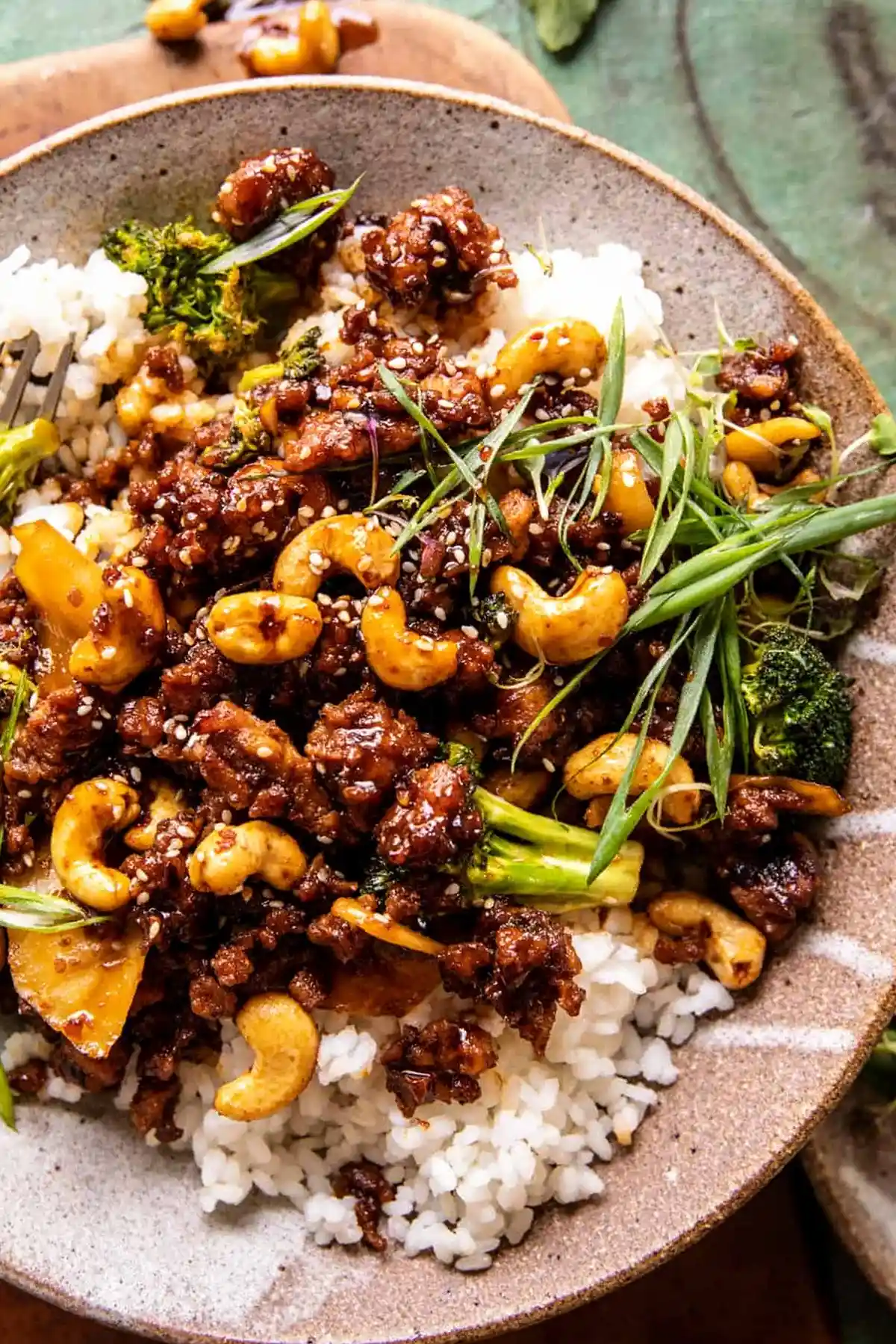
List of ingredients
- 1/2 cup hoisin sauce – provides a thick, sweet, and savory base.
- 1/4 cup tamari or soy sauce – adds a salty, umami depth.
- 1-2 tablespoons real maple syrup – balances the salt with a natural sweetness.
- 2 tablespoons apple cider vinegar – adds a necessary tangy brightness to the sauce.
- 1 tablespoon sriracha – provides a mild, vinegary heat.
- Black pepper and chili flakes – adds subtle warmth and adjustable spice.
- 3 tablespoons sesame oil (or olive oil) – used for searing the meat.
- 1 1/2 pounds ground chicken – the lean protein base for the dish.
- 1 tablespoon arrowroot powder or cornstarch – helps the meat brown and thickens the final glaze.
- 1 teaspoon paprika – adds color and a mild smoky note.
- 1 1/2 cups broccoli – adds texture and nutritional value.
- 3 tablespoons salted butter – creates a rich, caramelized glaze and nutty flavor.
- 3-4 cloves garlic, chopped – provides essential aromatic pungency.
- 1 tablespoon chopped fresh ginger – adds a sharp, peppery zing.
- 1 cup cashews – provides a buttery, roasted crunch.
- 1/3 cup pickled ginger – introduces a tangy, fermented contrast.
- 4 green onions, chopped – used for a fresh, crisp garnish.
step-by-step instructions
- Prepare the sauce: Combine the hoisin sauce, tamari or soy sauce, maple syrup, apple cider vinegar, sriracha, black pepper, and chili flakes in a glass jar. Shake or stir until the ingredients are well blended.
- Brown the chicken: Heat the sesame oil in a large skillet over medium heat. Add the ground chicken, cornstarch, paprika, and black pepper; cook while breaking up the meat for about 5 minutes until it is browned.
- Add aromatics and nuts: Stir in the salted butter, chopped garlic, fresh ginger, and cashews. Cook for 2 more minutes until the butter browns and the chicken becomes crispy.
- Thicken the glaze: Pour in two-thirds of the prepared sauce. Cook and stir until the sauce thickens slightly and coats the chicken pieces evenly.
- Incorporate vegetables: Add the broccoli florets and pickled ginger to the pan. Cook for another 2 to 5 minutes until the broccoli is tender-crisp.
- Plating and serving: Remove the skillet from the heat. Serve the chicken and broccoli over bowls of steamed rice, drizzling with the remaining sauce and topping with sesame seeds and chopped green onions.
Practical Cooking Tips
Use a Wide Skillet for Maximum Browning
Using a large skillet or a wok is essential for achieving the best texture. A wider pan prevents the ground chicken from crowding, which allows moisture to evaporate quickly. This ensures the meat sears and browns rather than steaming in its own juices.
Cut Broccoli into Small, Uniform Florets
Ensure the broccoli is cut into bite-sized pieces to allow for even cooking. Small florets will cook through in the short 2-5 minute window provided in the recipe. Larger chunks may remain raw in the center while the edges overcook.
Manage the Heat to Prevent Garlic Burning
Add the garlic and fresh ginger only after the chicken has already browned. Garlic contains natural sugars that burn quickly at high temperatures, which can lead to a bitter taste. Adding it toward the end ensures the aromatics stay fragrant.
Emulsify the Sauce Thoroughly
Vigorously shake the sauce in a jar before adding it to the pan. This ensures that the maple syrup and hoisin sauce are fully integrated with the vinegar and tamari. A well-mixed sauce prevents pockets of intense sweetness or saltiness in the final dish.
Ingredient Substitutions
Tamari versus Soy Sauce
Tamari is an excellent gluten-free alternative to traditional soy sauce. If you do not have dietary restrictions regarding gluten, standard soy sauce provides a nearly identical flavor profile. Tamari tends to be slightly richer and less salty than some commercial soy sauces.
Honey as a Maple Syrup Alternative
Honey can be substituted for maple syrup if you prefer a thicker, more floral sweetness. Keep in mind that honey is often sweeter than maple syrup, so you may want to start with one tablespoon. Adjust the amount based on your preference for sweetness.
Cornstarch versus Arrowroot Powder
Both cornstarch and arrowroot powder act as effective thickening agents. Arrowroot powder often results in a glossier, more translucent glaze and is generally more stable at higher temperatures. Cornstarch provides a slightly more matte finish but is more readily available.
Alternative Nut Options
If cashews are unavailable, sliced almonds or roasted peanuts are great substitutes. These nuts offer a similar crunch and nutty flavor that complements the savory sauce. Toast them lightly in a dry pan if they are raw to enhance their depth.
Olive Oil as a Sesame Oil Substitute
While sesame oil adds a distinct toasted flavor, olive oil is a neutral alternative. If you use olive oil, you might consider adding a drop of toasted sesame oil at the very end of cooking for aroma. This ensures the dish retains its signature Asian-inspired profile.
Flavor Variations
Adjusting the Spice Intensity
To increase the heat, add an extra teaspoon of sriracha or a pinch more chili flakes during the sauce preparation. For a child-friendly or mild version, omit the chili flakes entirely and reduce the sriracha. The dish remains flavorful even with very low heat.
Adding More Colorful Vegetables
Sliced red bell peppers, carrots, or snap peas can be added alongside the broccoli for more color and nutrition. Sauté these vegetables for 2-3 minutes before adding the sauce to ensure they reach the desired tenderness. This turns the meal into a more comprehensive stir-fry.
Using Ground Turkey Instead of Chicken
Lean ground turkey is a direct substitute that works well with these flavors. Turkey can be slightly drier than chicken, so you may need to add an extra tablespoon of oil. Ensure the turkey is browned well to develop a savory crust.
Adding a Citrus Twist
A squeeze of fresh lime juice added at the end of cooking can brighten the heavy, buttery flavors. The acidity cuts through the richness of the hoisin and butter. This adds a fresh, zesty dimension to the overall taste.
Serving Suggestions
Jasmine Rice Pairing
The aromatic, floral notes of steamed jasmine rice complement the sweet and salty glaze perfectly. Jasmine rice absorbs the excess sauce without becoming mushy. For a nuttier taste, you can use basmati or brown rice.
Cauliflower Rice for Low Carb
Sautéed cauliflower rice provides a grain-free, lower-calorie alternative for those avoiding refined carbs. Cook the cauliflower rice separately with a pinch of salt and garlic powder. Serve the cashew chicken directly on top to let the sauce season the vegetables.
Fresh Garnish Additions
A sprinkle of toasted sesame seeds adds a professional finish and extra nuttiness. Fresh cilantro or thinly sliced red chilies can also be added for a pop of color and contrast. These additions provide a fresh counterpoint to the cooked ingredients.
Side Dish Pairings
Serve this dish with a side of steamed bok choy or a simple cucumber salad. A vinegar-based cucumber salad provides a refreshing acidity that balances the richness of the butter. This creates a more balanced and complete meal.
Storage and Reheating
Refrigeration Guidelines
Store leftovers in an airtight glass container in the refrigerator for up to four days. To keep the cashews as crunchy as possible, some prefer to store them separately and add them back during reheating. Ensure the food is cooled slightly before sealing the lid.
Stovetop Reheating Method
The best way to reheat this dish is in a skillet over medium heat. Add a small splash of water or vegetable broth to loosen the thickened sauce. Stir gently until the chicken is heated through and the sauce becomes glossy again.
Microwave Reheating Tips
If using a microwave, heat the dish in short 30-second intervals, stirring in between. Adding a teaspoon of water helps prevent the ground chicken from drying out. Cover the dish with a damp paper towel to trap steam and maintain moisture.
Make-Ahead Advice
Preparing the Sauce in Advance
The sauce can be mixed and stored in a jar in the refrigerator for up to five days. This reduces the active prep time on a busy weeknight. Shake the jar well before pouring to ensure the syrup and vinegar are fully recombined.
Pre-chopping Vegetables and Aromatics
Chop the broccoli, garlic, ginger, and green onions ahead of time. Store them in separate containers or a divided prep tray. Having these ingredients ready allows you to focus on the timing of the browning and sautéing process.
Pre-portioning the Meat
If you are meal prepping for the week, you can portion the ground chicken into freezer bags. Thaw the meat in the refrigerator overnight before cooking. This ensures the meat reaches the correct temperature for an even sear.
Troubleshooting Common Issues
Preventing the Garlic from Burning
If you notice the garlic browning too quickly, immediately add the sauce or a tablespoon of water. Garlic burns in seconds if the pan is too hot. Maintaining a steady medium heat is the key to a sweet, fragrant garlic flavor.
Fixing a Sauce That Is Too Thick
The cornstarch and hoisin can sometimes make the sauce overly sticky or thick. Stir in a tablespoon of water, vegetable broth, or a splash of tamari to thin it out. Do this slowly until the sauce reaches a pourable, glaze-like consistency.
Avoiding Overcooked Broccoli
Broccoli can quickly turn from tender-crisp to mushy if left in the pan too long. Remove the skillet from the heat the moment the broccoli turns a vibrant, bright green. Any carry-over heat will finish the cooking process on the plate.
Frequently Asked Questions
Can I use frozen broccoli?
Yes, you can use frozen broccoli, but it must be fully thawed and patted dry with a paper towel. Frozen vegetables release more water than fresh ones, which can dilute the sauce and prevent the chicken from staying crispy.
How do I ensure the ground chicken gets crispy?
The secret is the cornstarch and the heat. Do not stir the meat constantly; let it sit undisturbed for a few minutes to develop a brown crust. The cornstarch creates a thin barrier that enhances browning and crispiness.
Can I toast the cashews first?
While the recipe toasts them in butter, you can pre-toast them in a dry pan for 2-3 minutes. This deepens the roasted flavor and ensures a consistent crunch. If you pre-toast them, add them to the pan at the very end to avoid over-browning.
Is this recipe suitable for a slow cooker?
No, this recipe relies on high-heat searing and quick sautéing to create the glaze and texture. A slow cooker would result in steamed meat and soft nuts. It is best prepared in a skillet or wok for the intended results.
Print
Quick Garlic Butter Cashew Chicken
- Total Time: 20 minutes
- Yield: 4 servings 1x
- Diet: General
Description
Restaurant-style cashew chicken made healthier, quicker, and with a few tweaks to make it unique and delicious!
Ingredients
- 1/2 cup hoisin sauce
- 1/4 cup tamari or soy sauce
- 1–2 tablespoons real maple syrup
- 2 tablespoons apple cider vinegar
- 1 tablespoon sriracha
- black pepper and chili flakes
- 3 tablespoons sesame oil (or olive oil)
- 1 1/2 pounds ground chicken
- 1 tablespoon arrowroot powder or cornstarch
- 1 teaspoon paprika
- 1 1/2 cups broccoli
- 3 tablespoons salted butter
- 3–4 cloves garlic, chopped
- 1 tablespoon chopped fresh ginger
- 1 cup cashews
- 1/3 cup pickled ginger
- 4 green onions, chopped
Instructions
- Make the sauce: Combine all sauce ingredients in a glass jar.
- Cook chicken: In a large skillet, combine the oil, chicken, cornstarch, paprika, and black pepper. Cook over medium heat, breaking up the meat as it cooks until browned, about 5 minutes. Add the butter, garlic, ginger, and cashews. Cook 2 minutes, until the butter browns and the chicken gets crispy.
- Simmer: Pour over 2/3 of the sauce. Cook until the sauce thickens slightly. Then, add the broccoli and pickled ginger. Cook another 2-5 minutes. Remove from the heat.
- Serve: Serve the chicken, broccoli, and remaining sauce over bowls of rice. Top with sesame seeds and green onion.
Notes
The addition of butter along with double the ginger (fresh ginger and pickled sushi ginger) are the secrets to the flavor profile.
- Prep Time: 8 minutes
- Cook Time: 12 minutes
- Category: Main Course
- Method: Stir-fry
- Cuisine: American, Asian
Nutrition
- Serving Size: 1 serving
- Calories: 761 kcal
- Sugar: 18 g
- Sodium: 1450 mg
- Fat: 48 g
- Saturated Fat: 12 g
- Unsaturated Fat: 32 g
- Trans Fat: 1 g
- Carbohydrates: 36 g
- Fiber: 6 g
- Protein: 42 g
- Cholesterol: 110 mg