
This recipe delivers a rich, hearty beef sauce using slow-braised short ribs for a tender finish. It is specifically designed for a Dutch oven to ensure consistent heat distribution during the long simmering process.

List of ingredients
- 3-4 pounds boneless short ribs – trimmed of excess fat for a cleaner sauce.
- 1 large onion – finely diced to melt into the base.
- 1 rib celery – diced small for aromatic balance.
- 1 large carrot – diced small to add subtle sweetness.
- 2 cloves garlic – smashed to release essential oils.
- 1/4 cup tomato paste – provides concentrated depth and color.
- 1 tablespoon Worcestershire sauce – adds savory complexity.
- 15 ounces crushed tomatoes – the primary base for the ragu.
- 3 cups chicken broth – used for braising the meat.
- 1/3 cup heavy cream – creates a velvety texture.
- 1/2 cup Parmesan cheese – grated for a salty, nutty finish.
- 10 ounces pappardelle pasta – wide ribbons that hold heavy sauces well.
step-by-step instructions
- Prepare the Meat: Pat the boneless short ribs dry with paper towels, trim any remaining excess fat, and season both sides generously with salt and pepper.
- Sear the Beef: Heat 2 tablespoons of olive oil in a Dutch oven over medium-high heat. Brown the meat in two separate batches for 4-5 minutes per side until a deep crust forms, then move the meat to a plate.
- Sauté Aromatics: Lower the heat to medium-low and add the diced onion, celery, and carrots. Cook for approximately 15 minutes until the vegetables are soft and lightly caramelized.
- Build the Base: Stir in the smashed garlic, tomato paste, and Worcestershire sauce. Cook for one minute while stirring constantly to toast the paste.
- Simmer the Ragu: Pour in the crushed tomatoes and chicken broth, then return the browned meat and its juices to the pot.
- Slow Cook: Bring the liquid to a boil over high heat, then immediately reduce to low. Cover with a lid and simmer for 2.5 to 3 hours until the beef is fall-apart tender.
- Monitor Liquid: After the first 40 minutes of simmering, stir the pot more frequently to prevent the sauce from burning. Add a small amount of water if the sauce reduces too quickly.
- Cook the Pasta: Boil a separate pot of salted water and cook the pappardelle according to the package directions. Drain the pasta but reserve 1 cup of the starchy cooking water.
- Finish the Sauce: Once the meat is tender and the sauce has thickened, stir in the heavy cream and grated Parmesan cheese until well combined.
- Combine and Serve: Toss the cooked pasta into the sauce. Use a splash of the reserved pasta water if the sauce is too thick. Cook for one more minute to blend the flavors before removing from heat.
Expert Flavor Development Techniques
Achieving a Proper Maillard Reaction
Searing the short ribs in batches is essential to prevent crowding the pot. If too much meat is added at once, the temperature drops and the beef steams rather than browns. A deep brown crust adds critical complexity to the final sauce.
Perfecting the Soffritto Base
The combination of onion, celery, and carrot should be cooked slowly over medium-low heat. This allows the vegetables to soften and release their natural sugars through caramelization. Rushing this step results in a raw vegetable taste rather than a sweet, integrated base.
Concentrating the Tomato Paste
Cooking the tomato paste for one minute before adding liquids is a technique called ‘pincé’. This removes the raw, metallic taste of the paste and deepens the overall color of the ragu. It transforms the paste into a rich, savory concentrate.
Ingredient Substitutions and Alternatives
Alternative Pasta Selections
While pappardelle is traditional for ragu, other wide or tubular pastas work well. Rigatoni, paccheri, or wide egg noodles are excellent alternatives that can support the weight of the chunks of beef. Avoid thin pastas like spaghetti, as they may break under the weight of the sauce.
Using Different Beef Cuts
If boneless short ribs are unavailable, you can use chuck roast cut into large cubes. Chuck roast has a similar fat and collagen content, ensuring the meat becomes tender during the braise. Ensure you trim the heavy fat caps to avoid a greasy finish.
Liquid and Broth Swaps
Beef broth can be used instead of chicken broth for a more intense meat flavor. For a lighter version, a mixture of water and a small amount of soy sauce can provide the necessary salt and depth. Always ensure the broth is low-sodium to control the final seasoning.
Cooking Variations and Equipment
Oven-Braising Method
You can transfer the Dutch oven to the oven after the initial searing and sautéing steps. Preheat the oven to 350°F and braise the meat for 2.5 to 3 hours. This provides surround-heat, which can sometimes result in more even tenderization than the stovetop.
Slow Cooker Adaptation
To use a slow cooker, sear the meat and sauté the vegetables in a pan first. Transfer everything to the slow cooker and cook on low for 7-8 hours or high for 4-5 hours. Stir in the cream and cheese only during the last 15 minutes of cooking.
Serving Suggestions and Pairings
Adding Fresh Herb Garnishes
Finish the dish with a sprinkle of freshly chopped Italian parsley or basil. The brightness of fresh herbs cuts through the richness of the beef and cream. A small amount of lemon zest stirred in at the end can also elevate the flavors.
Complementary Side Dishes
Serve this ragu with a crisp green salad tossed in a light vinaigrette to balance the heavy sauce. Steamed broccolini or roasted asparagus provide a necessary vegetable component and a snap of texture that contrasts with the tender meat.
Bread for Sauce Dipping
A toasted baguette or warm garlic bread is ideal for scooping up any remaining sauce from the plate. Ciabatta is another great option due to its porous structure, which absorbs the rich beef gravy efficiently.
Storage and Preservation
Refrigeration Guidelines
Allow the ragu to cool completely before transferring it to an airtight container. It will stay fresh in the refrigerator for 4 to 5 days. Store the pasta separately from the sauce to prevent the noodles from becoming mushy.
Freezing for Long-Term Use
Freeze the meat sauce without the pasta in freezer-safe bags or containers for up to 3 months. Flat-freezing in bags saves space and allows for faster thawing. Do not freeze the sauce after the heavy cream has been added for the best texture.
Safe Thawing Procedures
Thaw frozen ragu by placing the container in the refrigerator overnight. This slow thaw preserves the integrity of the beef fibers and prevents the sauce from separating. Avoid thawing at room temperature to ensure food safety.
Reheating Instructions
Stovetop Reheating Method
Place the chilled ragu in a pot over medium heat and stir occasionally. If the sauce has thickened too much in the fridge, add a splash of water or beef broth to loosen it. Heat until simmering before tossing with fresh pasta.
Consistency Adjustment
When reheating, the sauce often loses some moisture. Adding a small knob of butter or a tablespoon of water can restore the glossy, velvety sheen. Avoid boiling the sauce vigorously, as this can cause the fats to separate.
Troubleshooting Common Issues
Managing Tough Meat
If the beef is still tough after 3 hours, it simply needs more time. Short ribs vary in size and collagen content, so continue simmering in 30-minute increments. The meat is ready when it shreds easily with a fork.
Fixing a Thin Sauce
If the sauce is too watery, simmer it uncovered for the last 30 minutes of cooking. This allows excess liquid to evaporate and concentrates the flavors. You can also stir in a small amount of extra Parmesan cheese to help thicken the consistency.
Reducing Excessive Grease
If too much fat has rendered out of the short ribs, use a wide spoon to skim the oil from the surface of the sauce. Alternatively, pour the finished sauce through a fat separator before adding the cream and cheese.
Frequently Asked Questions
Can I make short rib ragu in the oven?
Yes, after bringing the liquid to a boil on the stove, cover the pot and place it in a 350°F oven for 2.5 to 3 hours. Stir occasionally to ensure the bottom does not scorch.
Why are my beef short ribs so tough?
Toughness is usually a result of insufficient cooking time. Short ribs require a long, slow braise to break down the tough connective tissues into gelatin.
Should I use bone-in or boneless short ribs?
Boneless ribs are recommended for this ragu because they are easier to trim of excess fat and more convenient to eat. Bone-in ribs add flavor but make the sauce greasier and the meat harder to separate.
Can I increase the amount of garlic?
Yes, if you prefer a stronger garlic profile, you can increase the amount to 4 or 5 cloves. Ensure you sauté them briefly but do not let them brown too deeply, as burnt garlic becomes bitter.
Print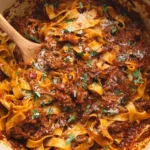
Slow-Braised Dutch Oven Short Rib Ragu with Pappardelle
- Total Time: 3 hours 30 minutes
- Yield: 6 servings 1x
- Diet: General
Description
Make the best homemade Short Rib Ragu recipe! Slowly braised in a Dutch oven in rich hearty sauce, the meat is fall-apart tender. I love serving with with pappardelle pasta to make it a perfect comforting meal for Sunday dinner.
Ingredients
- 3–4 pounds boneless short ribs, trimmed of excess fat
- 1 large onion, diced
- 1 rib celery, diced
- 1 large carrot, diced
- 2 cloves garlic, smashed
- 1/4 cup tomato paste
- 1 tablespoon Worcestershire sauce
- 15 ounces crushed tomatoes
- 3 cups chicken broth
- 1/3 cup heavy cream
- 1/2 cup Parmesan cheese, grated
- 10 ounces pappardelle pasta
- 2 tbsp olive oil
Instructions
- Step 1: Pat dry boneless short ribs, trim off the excess fat, and then generously season with salt and pepper from both sides.
- Step 2: Preheat a Dutch oven over medium/high heat and add 2 tbsp olive oil. Once the oil is hot, brown the meat in two batches. Sear for about 4-5 minutes on each side or until the meat is nicely browned. Then transfer to a plate and set aside.
- Step 3: Lower the heat to medium/low and add chopped onion, celery and carrots. Cook for about 15 minutes or until the vegetables are soft and starting to caramelize.
- Step 4: Then add 2 smashed cloves of garlic, ¼ cup tomato paste, and 1 tbsp Worcestershire sauce. Stir and cook for another minute.
- Step 5: Add 15 ounces crushed tomatoes, 3 cups chicken broth, and stir. Then add the browned meat with juices.
- Step 6: Turn up the heat to high and bring the liquid to boil. Then reduce the heat back to low, cover with the lid, and let it simmer for 2 ½-3 hours or until the meat is fall-apart tender.
- Step 7: When the meat is almost done, boil a separate pot of water and cook pappardelle pasta according to the instructions. Then drain the pasta, reserving 1 cup of cooked pasta water, and set aside.
- Step 8: When the meat is fully cooked and fall-apart tender and the sauce is reduced, add ⅓ cup heavy cream and ½ cup grated Parmesan cheese, and stir until well combined.
- Step 9: Add the cooked pasta and toss to coat. If the sauce is too thick, you can add a splash of reserved cooked pasta water to loosen it up. Keep cooking for 1 minutes to blend all the flavors together, then turn of the heat and serve.
Notes
Browning the meat and the soffritto (onion, celery, and carrots) are crucial steps in building deep flavors. Depending on the size of the short ribs, cooking time may vary; ensure the meat is fall-apart tender before finishing. Store refrigerated for 4-5 days or freeze without pasta for up to 3 months.
- Prep Time: 30 minutes
- Cook Time: 3 hours
- Category: Dinner
- Method: Braising
- Cuisine: Italian
Nutrition
- Serving Size: 1 serving
- Calories: 809 kcal
- Sugar: 8 g
- Sodium: 928 mg
- Fat: 34 g
- Saturated Fat: 15 g
- Unsaturated Fat: 19 g
- Trans Fat: 0.05 g
- Carbohydrates: 65 g
- Fiber: 5 g
- Protein: 60 g
- Cholesterol: 220 mg