
This slow cooker beef and broccoli recipe creates tender meat and a savory glaze with minimal active effort. It is a practical and cost-effective alternative to takeout that is easy to prepare for the whole family.
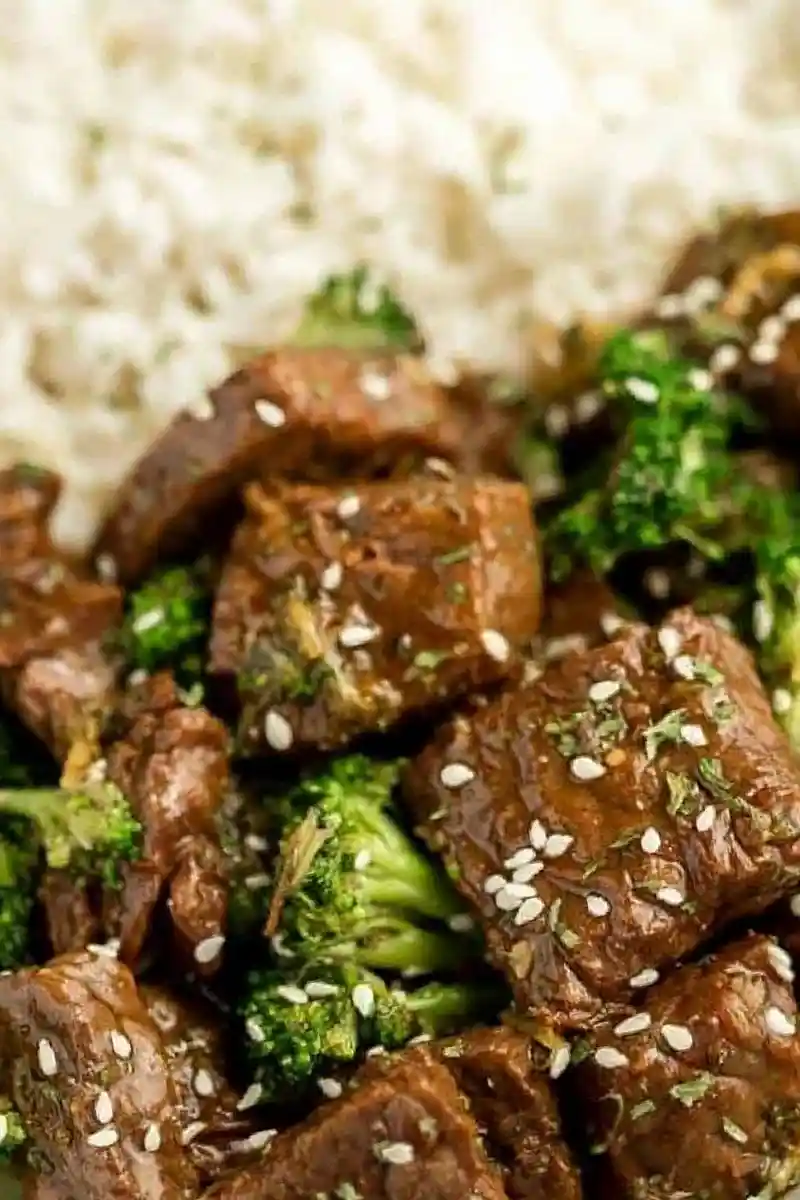
List of ingredients
- 2 pounds round steak (cut into bite size pieces) – a lean cut that becomes tender during slow cooking.
- 1 cup beef broth – provides the savory liquid base for the sauce.
- 1/2 cup low sodium soy sauce – adds essential saltiness and depth of flavor.
- 1 Tablespoon minced garlic – provides a pungent, aromatic base.
- 1/3 cup brown sugar – balances the salt of the soy sauce with a touch of sweetness.
- 2 Tablespoons sesame oil – contributes a distinct nutty aroma and flavor.
- 2 Tablespoons cornstarch – the thickening agent for the final sauce.
- 2 Tablespoons cold water – used to create a smooth cornstarch slurry.
- 1 Broccoli Crown (cut into bite size pieces) – adds color, texture, and nutrients.
- 1 tablespoon sesame seeds (optional) – used as a final garnish for texture.
step-by-step instructions
- Combine Meat and Sauce: Place the bite-sized steak pieces into the slow cooker. In a separate small mixing bowl, whisk together the beef broth, low sodium soy sauce, minced garlic, brown sugar, and sesame oil.
- Initial Cook: Pour the whisked sauce mixture directly over the steak in the crock pot. Cover the pot and cook on low for 5-6 hours or on high for 3 hours until the beef is tender.
- Thicken the Glaze: Whisk the cornstarch and cold water together in a small bowl until smooth. Stir this cornstarch slurry into the slow cooker to help thicken the cooking liquid.
- Cook Vegetables: Stir in the fresh broccoli pieces. Continue cooking on low for approximately 30 minutes or until the sauce has thickened and the broccoli is cooked through but still holds its shape.
- Finish and Serve: Sprinkle the dish with sesame seeds if desired. Serve the beef and broccoli immediately over a bed of hot rice.
Optimizing Your Beef Selection
Benefits of Round Steak
Round steak is an excellent choice for this recipe because it is leaner and more affordable than premium cuts. When cooked slowly in liquid, the connective tissues break down, resulting in meat that is tender enough to eat with chopsticks. Ensure you cut the meat into uniform cubes to ensure even cooking throughout the pot.
Using Chuck Roast for More Fat
If you prefer a richer, more succulent piece of meat, a chuck roast is a great alternative. Chuck roast contains more marbled fat than round steak, which can lead to a more flavorful sauce. However, you may need to skim some excess fat off the top of the sauce before adding the cornstarch slurry.
Working with Flank Steak
Flank steak is another viable option that provides a deep beefy flavor. To avoid toughness, it is critical to slice flank steak thinly across the grain before adding it to the slow cooker. This cuts through the long muscle fibers, ensuring the meat does not feel chewy after several hours of cooking.
Skipping the Browning Process
Browning meat in a skillet before adding it to a slow cooker is often recommended for flavor, but it is not necessary for this specific recipe. The long simmer in a soy and garlic-based sauce provides ample flavor penetration. Skipping this step reduces the number of dishes you have to clean and simplifies the preparation process.
Mastering the Savory Sauce
Achieving the Perfect Slurry
Mixing cornstarch with cold water before adding it to the heat is essential to prevent clumps. If you add cornstarch directly to the hot liquid, it will likely form small, gelatinous lumps that are impossible to stir out. Whisk the slurry until it is completely smooth before stirring it into the beef.
Reducing Sodium Levels
To lower the salt content, you can replace the low sodium soy sauce with coconut aminos. Coconut aminos provide a similar savory profile but with significantly less sodium and a slightly sweeter taste. This is a great option for those monitoring their salt intake or following a soy-free diet.
Adding Heat with Red Pepper Flakes
For those who enjoy a spicy kick, adding half a teaspoon of red pepper flakes to the sauce mixture is recommended. The heat infuses into the beef during the long cooking process, providing a consistent warmth throughout the dish. You can adjust the amount based on your heat tolerance.
Incorporating Oyster Sauce
Adding a tablespoon of oyster sauce to the initial sauce mixture can increase the complexity of the flavor. Oyster sauce adds a concentrated umami taste and a slightly thicker consistency to the final glaze. This brings the flavor profile even closer to traditional restaurant-style beef and broccoli.
Vegetable Timing and Texture
Handling Fresh Broccoli
Fresh broccoli florets should only be added during the final 30 minutes of cooking. Because broccoli has a high water content and a delicate structure, cooking it for the full 5-6 hours would result in a mushy, colorless vegetable. Adding it at the end ensures a bright green color and a tender-crisp texture.
Using Frozen Broccoli Florets
If you are using frozen broccoli, wait until the very last minute to stir it in. Frozen vegetables are often blanched before freezing, meaning they are already partially cooked. Stirring them in and letting the residual heat of the sauce warm them through prevents them from overcooking.
Alternative Vegetable Additions
While broccoli is the star, you can easily incorporate other vegetables like sliced carrots or snap peas. Carrots should be added at the beginning of the cooking process because they take longer to soften. Snap peas, however, should be added at the same time as the broccoli to maintain their crunch.
Preventing Sauce Thinning from Vegetables
Vegetables release water as they cook, which can thin out your sauce. If you find the sauce is too watery after adding the broccoli, let the slow cooker run on high for an additional 15 minutes. This allows more of the liquid to evaporate and concentrate the flavors.
Meal Prep and Storage Strategies
Preparing Freezer Meals
This recipe is ideal for freezer meal preparation. Place the raw steak, beef broth, soy sauce, garlic, brown sugar, and sesame oil in a freezer-safe gallon bag and seal it tightly. Store the bag in the freezer, and when you are ready to eat, thaw it in the refrigerator overnight before placing the contents in the slow cooker.
Refrigerating Leftovers
Store any remaining beef and broccoli in an airtight container in the refrigerator for up to five days. Keep the meat and sauce together to prevent the beef from drying out. The sauce will thicken further as it cools, which is normal and can be fixed during reheating.
Best Reheating Methods
Reheating in a skillet over medium heat is the best way to maintain the texture of the beef and broccoli. Add a tablespoon of water or beef broth to the pan to loosen the sauce. This method prevents the broccoli from becoming soggy, which often happens in the microwave.
Microwave Reheating Tips
If using a microwave, heat the leftovers in short 30-second intervals, stirring in between. Covering the dish with a damp paper towel helps steam the meat and prevents the sauce from splitting. Avoid overheating the broccoli to keep it from losing its structural integrity.
Serving Suggestions and Pairings
Choosing the Right Rice
White jasmine rice is the traditional choice for its fragrance and ability to soak up the savory sauce. For a nuttier flavor and more fiber, brown rice is a healthy alternative. You can also use cauliflower rice for a low-carb option, though it should be sautéed separately and not mixed into the slow cooker.
Complementary Side Dishes
Pair this meal with egg rolls or a side of steamed edamame for a complete dining experience. A light egg drop soup also complements the richness of the beef and broccoli. These sides add different textures and flavors that balance the sweetness of the glaze.
Garnish for Presentation
Beyond sesame seeds, thinly sliced green onions add a fresh, sharp contrast to the rich sauce. A drizzle of extra sesame oil or a sprinkle of toasted sesame seeds just before serving enhances the aromatic quality of the dish. These small additions make the home-cooked meal look professional.
Common Troubleshooting
Why is the beef still tough?
If the beef is tough after the recommended time, it may be due to the cut of meat used or an underfilled slow cooker. Ensure you are using a cut suited for slow cooking and that the pot is at least half full. If it is still tough, continue cooking on low for another hour to allow the fibers to break down.
How to fix a sauce that is too thin?
If the sauce remains watery after adding the slurry, you can create a second, smaller slurry. Mix one teaspoon of cornstarch with a teaspoon of cold water and stir it in. Let the mixture cook for another 10 to 15 minutes on high to achieve the desired thickness.
What to do if the sauce is too salty?
If the soy sauce makes the dish too salty, stir in a small amount of additional brown sugar or a splash of water. Adding a squeeze of fresh lemon juice can also help balance the saltiness with acidity. If you are meal prepping, use a lower-sodium broth to further reduce the salt.
Can I use a different slow cooker?
This recipe works in both ceramic and metal slow cooker inserts, but cooking times may vary slightly. Metal inserts tend to heat up faster and may cook the food more quickly. Always check the tenderness of the beef at the minimum suggested time to avoid overcooking.
Frequently Asked Questions
Can I use a different cut of beef?
Yes, you can use stew meat, sirloin steak, or chuck roast. Just ensure that tougher cuts are cooked for the full duration to ensure they become tender.
Is it possible to make this in an Instant Pot?
Yes, you can adapt this for a pressure cooker. Cook the beef and sauce on high pressure for about 20-30 minutes, then quick release and stir in the slurry and broccoli, cooking on the sauté setting until thickened.
Can I substitute the brown sugar?
You can use honey or maple syrup as a replacement for brown sugar. Keep in mind that these liquid sweeteners may slightly alter the thickness of the sauce.
How long does the broccoli take to cook on high?
When added to a sauce that is already hot, broccoli takes about 20-30 minutes to cook through on the high setting. Be careful not to overcook it, as it will quickly turn mushy.
Print
Slow Cooker Beef and Broccoli
- Total Time: 5 hours 10 minutes
- Yield: 6 servings 1x
- Diet: General
Description
Beef and Broccoli Crock Pot Recipe is a great meal that is tasty and easy, offering tender beef and flavorful broccoli without the need for takeout.
Ingredients
- 2 pounds round steak, cut into bite size pieces
- 1 cup beef broth
- 1/2 cup low sodium soy sauce
- 1 Tablespoon minced garlic
- 1/3 cup brown sugar
- 2 Tablespoons sesame oil
- 2 Tablespoons cornstarch
- 2 Tablespoons cold water
- 1 broccoli crown, cut into bite size pieces
- 1 tablespoon sesame seeds (optional)
Instructions
- Prepare Sauce: Place the steak in a slow cooker. In a small mixing bowl, whisk together the beef broth, soy sauce, minced garlic, brown sugar and sesame oil, then pour the mixture over the steak.
- Slow Cook: Cover and cook on low for 5-6 hours or on high for 3 hours until the beef is tender.
- Thicken: Whisk together the cornstarch and cold water in a small mixing bowl and stir this mixture into the slow cooker.
- Add Broccoli: Stir in the broccoli and cook on low for about 30 minutes or until the sauce is thickened and broccoli is cooked through.
- Serve: Sprinkle with sesame seeds and serve immediately over rice.
Notes
Refrigerate the leftovers in an air tight container for up to 5 days.
- Prep Time: 10 minutes
- Cook Time: 5 hours
- Category: Main Course
- Method: Slow Cooking
- Cuisine: Chinese
Nutrition
- Serving Size: 1 serving
- Calories: 369 kcal
- Sugar: 14 g
- Sodium: 1038 mg
- Fat: 13 g
- Saturated Fat: 3 g
- Unsaturated Fat: 10 g
- Trans Fat: 0 g
- Carbohydrates: 23 g
- Fiber: 3 g
- Protein: 40 g
- Cholesterol: 95 mg