
This hearty venison stew is designed for slow cooking to ensure the lean wild game becomes tender. It combines root vegetables and a rich broth for a filling meal. Follow these steps for a thick, flavorful result.
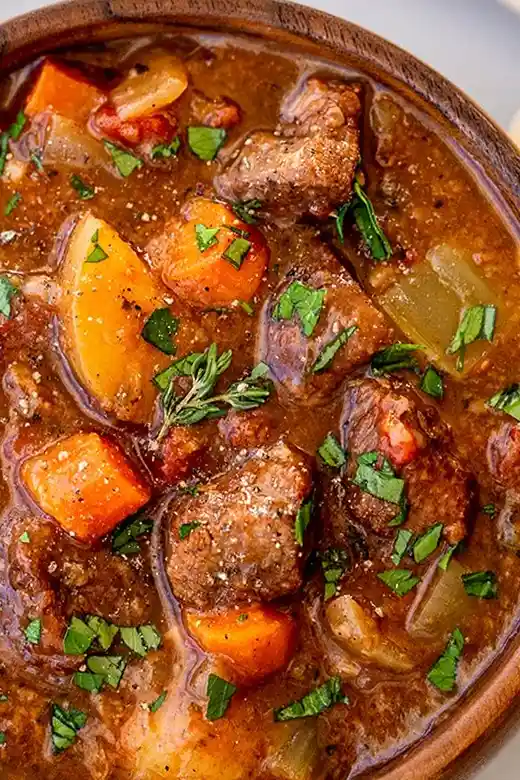
List of ingredients
- 2 lbs venison stew meat – use shoulder, rump, or neck for best results.
- 1/4 cup all purpose flour – used for coating and initial thickening.
- 2 tsp salt – divided into two portions.
- 1 tsp pepper – divided into two portions.
- 1-2 Tbsp high heat tolerant oil or fat – avocado oil, clarified butter, or beef fat.
- 1 lb baby gold potatoes – quartered to maintain shape.
- 3-4 large carrots – diced into thick rounds.
- 3 celery stalks – diced for aromatic base.
- 1 onion – diced.
- 4-5 garlic cloves – minced.
- 2 tsp Herbs de Provence – provides a complex floral and herbal profile.
- 1 (15oz) can diced tomatoes – drained.
- 4 cups beef or venison stock – low sodium is recommended.
- 1/2 cup alcohol-free red wine substitute – use a mix of red grape juice and red wine vinegar.
- 5-10 dashes Worcestershire sauce – adds savory depth.
- 3 Tbsp corn starch, arrowroot powder or tapioca starch – optional for extra thickness.
step-by-step instructions
- Prepare the meat: Combine the flour, 1 teaspoon of salt, and 1/2 teaspoon of pepper in a medium bowl. Pat the venison chunks completely dry with paper towels. Toss the meat in the flour mixture until every piece is evenly coated.
- Sear the venison: Heat a large skillet over medium-high heat and add the oil or fat. Once the oil is shimmering, sear the venison on all sides. Work in small batches to ensure the pan stays hot and the meat browns rather than steams.
- Start layering: Transfer the seared venison chunks to the bottom of the slow cooker. Add the quartered baby gold potatoes directly on top of the meat.
- Add aromatics and liquids: Layer in the diced carrots, celery, onion, and minced garlic. Sprinkle in the Herbs de Provence, the remaining 1 teaspoon of salt, and the remaining 1/2 teaspoon of pepper. Pour in the drained tomatoes, beef or venison stock, alcohol-free red wine substitute, and Worcestershire sauce.
- Slow cook: Cover the slow cooker with a tight-fitting lid. Set the heat to low and cook for 8-9 hours.
- Thicken the broth: For a thicker consistency, remove a few spoonfuls of the hot broth after 6 hours of cooking. Stir the optional starch into the broth in a small bowl until dissolved to create a slurry. Pour the slurry back into the stew, stir well, and cook for the remaining time.
- Final touch: Serve the hot stew in bowls alongside crusty bread.
Optimizing Meat Selection and Preparation
Choosing the Right Cut of Venison
For a slow cooker stew, use cuts with higher connective tissue like the shoulder, neck, or rump. These cuts contain collagen that breaks down over many hours, resulting in meat that is tender and succulent. Avoid using lean loin cuts as they can become dry and tough during long cooking cycles.
Removing Silver Skin
Before dicing your meat, inspect the pieces for silver skin, which is the iridescent, tough membrane. Use a sharp boning knife to slice this skin away. Silver skin does not break down during cooking and can create unpleasant, chewy textures in the final dish.
The Importance of Patting Meat Dry
Moisture on the surface of the meat creates steam when it hits the hot pan. This prevents the Maillard reaction, which is the chemical process that creates a brown, savory crust. Patting the venison dry with towels ensures the flour adheres better and the meat sears properly.
Mastering the Browning Process
Avoiding Pan Overcrowding
When searing meat, leave space between the chunks in the skillet. Overcrowding drops the temperature of the oil, which causes the meat to release juices and boil instead of brown. Searing in batches ensures a deep brown color and more intense flavor.
Selecting High-Smoke Point Fats
Use fats that can withstand high heat without burning, such as avocado oil or clarified butter (ghee). Beef tallow or deer fat are also excellent choices as they complement the flavor of the venison. Avoid using extra virgin olive oil or butter for the initial sear as they can burn at medium-high temperatures.
Vegetable Preparation for Slow Cooking
Sizing Root Vegetables
Cut carrots and potatoes into larger, uniform pieces. Carrots should be in thick rounds and potatoes quartered. This prevents the vegetables from disintegrating or becoming mushy during the 8-9 hour cooking process.
Layering for Even Cooking
Place the densest ingredients, like meat and potatoes, at the bottom of the slow cooker. The bottom is the hottest part of the vessel. Placing the lighter aromatics like onions and celery on top ensures they release their flavors into the liquid without overcooking too quickly.
Managing Stew Consistency
Using a Starch Slurry
Adding starch directly to a hot stew can cause clumps. By mixing the cornstarch or arrowroot with a small amount of warm broth first, you create a smooth liquid. This ensures the thickening agent is distributed evenly throughout the broth.
Choosing Between Cornstarch and Arrowroot
Cornstarch provides a glossy finish and is widely available. Arrowroot or tapioca starch are better alternatives for those seeking a gluten-free option or a more translucent sauce. Both work effectively when added in the final few hours of cooking.
Alternative Ingredient Options
Using Other Game Meats
This recipe works exceptionally well with elk, moose, or antelope. These meats have similar lean profiles to venison and respond well to low-and-slow braising. Beef chuck roast is also a suitable substitute if wild game is unavailable.
Adjusting for Gluten-Free Needs
To make this recipe gluten-free, replace the all-purpose flour with a gluten-free flour blend or omit the flour coating entirely. If you skip the initial flouring, rely on the final starch slurry to achieve the desired thickness.
Alcohol-Free Acid Substitutes
The acidity in red wine helps tenderize the meat and balance the richness of the broth. A mixture of red grape juice and red wine vinegar mimics this effect without the alcohol. Alternatively, a small amount of pomegranate juice mixed with apple cider vinegar provides a similar depth.
Storage and Preservation
Refrigeration Guidelines
Store leftovers in an airtight glass or plastic container in the refrigerator. The stew will typically stay fresh for 3 to 4 days. Many find that the flavor improves the next day as the herbs and aromatics continue to meld.
Freezing for Long-Term Use
Venison stew freezes exceptionally well for up to 6 months. Use freezer-safe containers or vacuum-seal bags to prevent freezer burn. Leave a small amount of headspace in the container as the liquid expands when frozen.
Safe Thawing Methods
Thaw frozen stew slowly in the refrigerator overnight. This maintains the texture of the vegetables and meat better than rapid thawing. Avoid thawing at room temperature to prevent bacterial growth.
Reheating Instructions
Stovetop Reheating
For the best results, reheat the stew in a pot over medium-low heat. Add a splash of beef stock or water if the stew has thickened too much in the fridge. Stir occasionally to avoid burning the bottom.
Microwave Reheating
Place a portion of stew in a microwave-safe bowl and cover it with a lid or damp paper towel. Heat in 1-minute intervals, stirring in between. This ensures the center is heated through without overcooking the edges.
Troubleshooting Common Issues
How to Reduce Gamey Flavor?
If the meat tastes too gamey, increase the amount of aromatics like garlic and onion. The acidity from the red wine vinegar and the floral notes of Herbs de Provence are specifically used to neutralize strong wild flavors. Adding a teaspoon of brown sugar can also balance the intensity.
What to do if the Meat is Still Tough?
Venison becomes tender when the collagen melts, which requires time and heat. If the meat is still rubbery, continue cooking on low for another 1-2 hours. Ensure the slow cooker lid remains closed to maintain a consistent internal temperature.
Dealing with a Watery Broth
If the stew is too thin at the end of the cooking time, simmer it in a pot on the stove without the lid for 20-30 minutes. This reduces the liquid and concentrates the flavors. Alternatively, increase the amount of starch slurry added during the final stage.
Frequently Asked Questions
Can I use a Dutch oven instead of a slow cooker?
Yes, you can use a Dutch oven. Sear the meat as directed, add the remaining ingredients, and braise in the oven at 300°F (150°C) for about 3-4 hours until the meat is tender.
Does the flour coating burn in the slow cooker?
No, because the flour is seared in the pan first and then submerged in liquid. The slow cooking process gently integrates the flour into the broth, helping it thicken naturally.
Can I add more vegetables?
You can add parsnips, turnips, or frozen peas. Add root vegetables at the beginning and frozen peas during the last 30 minutes of cooking to prevent them from overcooking.
Why use Herbs de Provence specifically?
Herbs de Provence contain a blend of rosemary, thyme, and oregano, often with lavender. This specific combination cuts through the richness of red meat and complements the earthiness of venison better than a single herb.
Print
Slow Cooker Venison Stew: Thick and Hearty Guide
- Total Time: 8 hours 15 minutes
- Yield: 6–8 servings 1x
- Diet: General
Description
This thick, hearty and healthy slow cooker venison stew is made in the crockpot with tender hunks of deer meat, veggies, and a rich & flavorful broth.
Ingredients
- 2 lbs. venison stew meat
- 1/4 cup all purpose flour
- 2 tsp. salt, divided
- 1 tsp. pepper
- 1–2 Tbsp. avocado oil or clarified butter
- 1 lb. baby, gold potatoes, quartered
- 3–4 large carrots, diced
- 3 celery stalks, diced
- 1 onion, diced
- 4–5 garlic cloves, minced
- 2 tsp. Herbs de Provence
- 1 (15oz.) can diced tomatoes, drained
- 4 cups beef or venison stock
- 1/2 cup beef broth and 1 tablespoon red wine vinegar
- 5–10 dashes Worcestershire sauce
- 3 Tbsp. corn starch, arrowroot powder or tapioca starch
Instructions
- Step: Mix together the flour, 1 teaspoon of the salt, and 1/2 teaspoon of the pepper in a medium bowl. Pat the venison very dry with a towel to remove any liquid. Toss the venison chunks in the flour mixture until everything is coated and the flour is absorbed.
- Step: Heat a large skillet over medium-high heat and add the oil or fat. Once hot, sear the venison on all sides. You may need to work in batches to avoid overcrowding the meat.
- Step: Once seared, transfer the meat to the bottom of a slow cooker with the potatoes.
- Step: Then layer in the carrots, celery, onion, garlic, Herbs de Provence, the remaining 1 teaspoon of salt, the remaining 1/2 teaspoon of pepper, tomatoes, stock, beef broth with red wine vinegar, and Worcestershire sauce.
- Step: Set your slow cooker on low for 8-9 hours.
- Step: Optional (for thick stew) – After about 6 hours, remove a few spoonfuls of the broth and pour into a bowl or cup. Stir in the starch until the starch dissolves making a slurry. Pour the slurry into the stew, stir well and skew the lid for the remaining cook time.
- Step: Serve with crusty bread & get cozy!
Notes
You can cook this for 4-5 hours on high, but 8-9 on low is much better for tenderness. This recipe can be made gluten-free by using gluten-free flour or omitting the initial flour dredging and relying on the cornstarch slurry at the end.
- Prep Time: 15 minutes
- Cook Time: 8 hours
- Category: Main Dish
- Method: Slow Cooker
- Cuisine: French American
Nutrition
- Serving Size: 1 serving
- Calories: 410 kcal
- Sugar: 8 g
- Sodium: 850 mg
- Fat: 12 g
- Saturated Fat: 4 g
- Unsaturated Fat: 8 g
- Trans Fat: 0 g
- Carbohydrates: 32 g
- Fiber: 5 g
- Protein: 38 g
- Cholesterol: 85 mg