
Prepare a restaurant-quality meal at home with this creamy and spicy pasta dish. This recipe combines bold blackened spices with a rich garlic cream sauce in just 30 minutes.
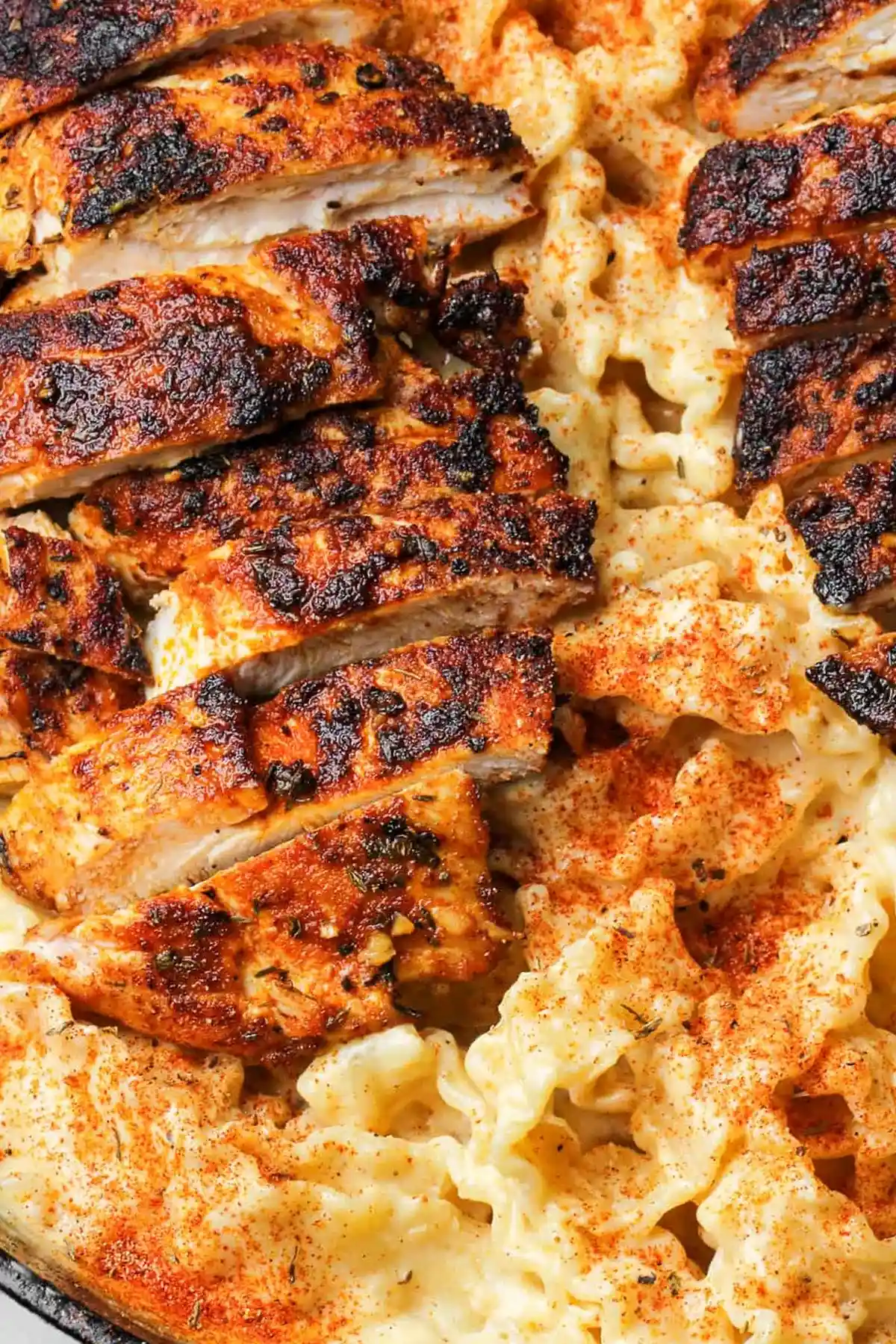
List of ingredients
- 1 pound Mafaldine noodles (or fettuccini/linguini noodles) – a curly ribbon pasta that holds sauce well.
- 3 chicken breasts – boneless and skinless.
- 4 tablespoons olive oil – for searing and coating.
- 6 tablespoons butter – for richness and sautéing garlic.
- 6-8 cloves garlic (minced) – provides a pungent, savory base.
- 2 cups heavy whipping cream – creates the creamy sauce texture.
- 1.5 cups parmesan cheese (shredded) – adds saltiness and thickness.
- 4 tablespoons blackened seasoning (divided) – for the spicy crust and sauce flavor.
- salt and pepper – for basic seasoning.
- optional: garlic bread, Texas toast, or garlic knots – for serving.
- 2 tablespoons smoked paprika (regular paprika works too) – for the seasoning blend.
- 1 tablespoon cayenne pepper – for the seasoning blend.
- 1 tablespoon onion powder – for the seasoning blend.
- 2 teaspoon garlic powder – for the seasoning blend.
- 1 teaspoon ground black pepper – for the seasoning blend.
- 1 teaspoon salt – for the seasoning blend.
- 1/2 teaspoon dried thyme – for the seasoning blend.
- 1/2 teaspoon dried oregano – for the seasoning blend.
step-by-step instructions
- Prepare the meat: Pound chicken to an even 1/4 inch thickness, rub them with oil, and season liberally on both sides with about 2-3 tablespoons of the seasoning.
- Sear the chicken: Heat a skillet to medium-high heat. Add 2 tablespoons olive oil to the pan and cook chicken for 3-4 minutes until it has a dark amber coloring on the underside.
- Finish cooking: Flip the chicken just once and reduce the heat to low. Add 2 tablespoons of butter into the skillet along with 2 teaspoons of minced garlic, allowing the garlic butter to melt into the chicken for 5-6 minutes or until the internal temperature reaches 165 degrees.
- Rest the meat: Remove chicken and place on a plate with tented foil to rest before slicing.
- Sauté garlic: In the same skillet over medium heat, add in the remaining butter and melt. Add in the rest of the minced garlic and saute for 1-2 minutes or until fragrant.
- Simmer the sauce: Stir in the heavy cream and 2-3 teaspoons of blackened seasoning. Bring to a low boil over simmer, allowing it to thicken for about 5 minutes.
- Cook pasta: While the sauce simmers, cook the noodles to al dente, reserving 1/3 cup of pasta water.
- Emulsify cheese: Add the parmesan into the alfredo sauce and stir until melted. Taste and adjust seasonings as needed.
- Assemble: Pour 1/3 cup of reserved pasta water into the alfredo sauce and stir. Add cooked noodles into the pasta, mix to combine, and top with sliced chicken and a sprinkle of seasoning.
Expert Techniques for Perfect Results
Use a Heavy-Bottomed Skillet for Searing
A cast iron or stainless steel pan distributes heat more evenly than non-stick pans. This allows the blackened seasoning to caramelize and create a crust without sticking. It also helps maintain a consistent temperature during the searing process.
Maintain the Correct Pan Temperature
If the pan is too cold, the chicken will steam rather than sear, resulting in a grey color. If it is too hot, the spices will burn before the meat cooks through. Aim for a shimmering oil to ensure a proper sear.
Avoid Over-Flipping the Meat
Flipping the chicken multiple times prevents the formation of a deep, dark crust. By searing one side fully and flipping only once, you maximize the blackened effect. This technique also helps keep the chicken juicier.
Mastering the Cream Sauce
Grate Your Own Parmesan Cheese
Pre-shredded cheeses are often coated in cornstarch or cellulose to prevent clumping. These additives can make your Alfredo sauce grainy or thick in an unnatural way. Freshly grated cheese melts smoothly into the cream for a velvety texture.
Simmer Rather Than Boil
High heat can cause the fats in the heavy cream and cheese to separate. This leads to an oily sauce with clumps of cheese. Keeping the sauce at a gentle simmer ensures a stable emulsion.
Utilize the Starch in Pasta Water
Pasta water contains starch that acts as a natural binder between the sauce and the noodles. Adding a small amount helps the sauce cling to the pasta rather than pooling at the bottom of the plate. It also adjusts the consistency if the sauce becomes too thick.
Control the Seasoning Levels
Since parmesan cheese and blackened seasoning both contain salt, be cautious when adding extra salt. Taste the sauce after the cheese has melted before making final adjustments. This prevents the dish from becoming overly salty.
Chicken Preparation and Safety
Create Uniform Thickness by Pounding
Chicken breasts are naturally uneven, with a thick end and a thin end. Pounding them to a quarter-inch thickness ensures every part of the breast cooks at the same rate. This prevents the thin end from drying out while the thick end is still raw.
Allow the Meat to Rest
Slicing chicken immediately after cooking releases the juices onto the cutting board. Resting the meat under foil for a few minutes allows the juices to redistribute. This results in a more tender and moist piece of chicken.
Use a Meat Thermometer for Accuracy
Visual cues can be misleading when chicken is blackened, as the outside looks cooked before the inside is done. Using an instant-read thermometer ensures the chicken reaches 165°F. This guarantees safety without overcooking the meat.
Pasta Cooking and Selection
Choose the Right Noodle Shape
Mafaldine is excellent because its ruffled edges trap the thick cream sauce. Fettuccini and linguini are traditional alternatives that provide a classic feel. Avoid very small pasta shapes that may get lost in the heavy sauce.
Achieve the Al Dente Texture
Pasta should have a slight bite to it when removed from the boiling water. Since the pasta will be tossed in a simmering sauce, it will continue to cook slightly. Overcooking the pasta in the water leads to a mushy final dish.
Salt Your Pasta Water Heavily
The water used to boil pasta is the only chance to season the noodles themselves. Adding a generous amount of salt to the water enhances the overall flavor of the dish. This provides a balanced base for the rich Alfredo sauce.
Ingredient Substitutions and Variations
Adjusting the Heat Level
If cayenne pepper is too spicy, replace it with more smoked paprika or a mild chili powder. You can also reduce the amount of blackened seasoning in the sauce. This allows you to customize the spice level for children or sensitive palates.
Alternative Dairy Options
For a slightly lighter sauce, you can use half-and-half, though the sauce will be thinner. If you prefer a different cheese, Pecorino Romano offers a sharper, saltier taste. Ensure the cheese is a hard variety to maintain the sauce’s integrity.
Swapping the Protein
While chicken is traditional, shrimp or salmon fillets work exceptionally well with blackened seasoning. Simply adjust the cooking time to avoid overcooking the seafood. The cream sauce pairs naturally with most blackened proteins.
Using Different Cooking Oils
Avocado oil is a great substitute for olive oil because it has a higher smoke point. This is useful for high-heat blackening. Grapeseed oil is another neutral option that won’t alter the flavor of the spices.
Serving and Presentation Ideas
Pair with Roasted Vegetables
The richness of the Alfredo sauce benefits from the bitterness of roasted vegetables. Broccoli, asparagus, or sautéed spinach are excellent choices. These additions provide color and nutritional balance to the meal.
Serve with Toasted Garlic Bread
Garlic knots or a toasted baguette are perfect for scooping up leftover sauce. Use a mix of butter, garlic powder, and parsley for the bread. This adds another layer of flavor and texture to the dining experience.
Garnish with Fresh Herbs
A sprinkle of chopped fresh parsley or chives adds a pop of color and a fresh taste. It cuts through the richness of the heavy cream. A light dusting of extra blackened seasoning also enhances the visual appeal.
Storage and Reheating Guidelines
Store in Airtight Containers
Place leftovers in a sealed container to prevent the pasta from drying out. Keep the chicken and pasta together or separate them if you prefer. The dish will stay fresh in the refrigerator for up to four days.
Reheat with Added Moisture
Cream sauces thicken significantly as they cool and are refrigerated. When reheating, add a tablespoon of milk, heavy cream, or chicken broth. This loosens the sauce and restores its original creamy consistency.
Use Low Heat for Reheating
Avoid using the highest microwave setting, as this can cause the sauce to break or separate. Reheat on a stovetop over low heat or in the microwave in short bursts. Stirring frequently helps distribute the heat evenly.
Troubleshooting Common Problems
Fix a Broken or Curdled Sauce
If the sauce separates, it is usually due to excessive heat. You can often fix this by whisking in a small amount of warm pasta water or milk. Keep the heat low while stirring vigorously to bring the emulsion back together.
Manage a Sauce That is Too Thin
If the sauce hasn’t thickened enough, let it simmer for a few more minutes. You can also stir in an additional tablespoon of parmesan cheese. The cheese acts as a thickening agent as it melts into the cream.
Prevent Dry Chicken
Dry chicken usually results from overcooking or skipping the resting phase. Always use a thermometer to pull the meat at 165°F. Ensure the breasts are pounded evenly so the edges don’t overcook.
Common Questions
Can I use store-bought blackened seasoning?
Yes, you can use any store-bought Cajun or blackened seasoning. Just be mindful of the salt content, as pre-made mixes vary. Taste the sauce before adding more salt to the dish.
Which pan is best for this recipe?
A cast iron skillet is ideal for achieving the dark, blackened crust. Stainless steel also works well for searing. Avoid non-stick pans if you want a truly deep sear and a professional look.
Can I make this with gluten-free pasta?
Yes, you can use any gluten-free pasta alternative like brown rice or chickpea pasta. Be sure to cook the pasta according to its specific package instructions. The sauce is naturally gluten-free if you use pure parmesan.
How do I stop the sauce from becoming too thick?
The key is to reserve the pasta water before draining the noodles. Adding this starchy water at the end thins the sauce while keeping it smooth. Avoid adding too much cheese too quickly.
Print
Zesty Blackened Chicken Alfredo Pasta
- Total Time: 30 minutes
- Yield: 4 servings 1x
- Diet: General
Description
This Blackened Chicken Alfredo is a twist on classic chicken alfredo, with pasta tossed in a garlicky seasoned alfredo sauce and topped with tender, juicy blackened chicken breasts.
Ingredients
- 1 pound Mafaldine noodles (or fettuccini/linguini noodles)
- 3 chicken breasts
- 4 tablespoons olive oil
- 6 tablespoons butter
- 6–8 cloves garlic, minced
- 2 cups heavy whipping cream
- 1.5 cups parmesan cheese, shredded
- 2 tablespoons smoked paprika
- 1 tablespoon cayenne pepper
- 1 tablespoon onion powder
- 2 teaspoon garlic powder
- 1 teaspoon ground black pepper
- 1 teaspoon salt
- 1/2 teaspoon dried thyme
- 1/2 teaspoon dried oregano
- salt and pepper to taste
Instructions
- Pound: Pound chicken to even 1/4 inch thickness, rub them with oil and season liberally on both sides (about 2-3 tablespoons of seasoning).
- Sear: Heat a skillet to medium-high heat. Add 2 tablespoons olive oil to the pan and cook chicken for 3-4 minutes (or until it has a dark amber coloring on the underside).
- Finish Chicken: Flip just once, reduce the heat to low. Add 2 tablespoons of butter into the skillet along with 2 teaspoons of minced garlic, allowing the garlic butter to melt into the chicken as it finishes cooking, about 5-6 minutes (or until internal temp reaches 165 degrees).
- Rest: Remove chicken and place on a plate with tented foil to rest before slicing.
- Sauté Garlic: In the same skillet over medium heat, add in remaining butter and melt. Add in the rest of the minced garlic and saute for 1-2 minutes or until fragrant.
- Simmer Sauce: Stir in the heavy cream and 2-3 teaspoons of blackened seasoning. Bring to a low boil over simmer, allowing it to thicken, about 5 minutes.
- Cook Pasta: While the sauce simmers, cook the noodles to al dente, reserving 1/3 cup of pasta water.
- Melt Cheese: Add the parmesan into the alfredo sauce and stir until melted. Taste and adjust seasonings as needed.
- Combine: Pour 1/3 cup of reserved pasta water into the alfredo sauce and stir. Add cooked noodles into the pasta, mix to combine and top with chicken.
Notes
Pounding the chicken to a uniform thickness ensures even cooking. Reserving a bit of starchy pasta water helps the sauce emulsify and coat the noodles smoothly.
- Prep Time: 10 minutes
- Cook Time: 20 minutes
- Category: Main Course
- Method: Stovetop
- Cuisine: American
Nutrition
- Serving Size: 1 serving
- Calories: 871 kcal
- Sugar: 6 g
- Sodium: 1420 mg
- Fat: 58 g
- Saturated Fat: 32 g
- Unsaturated Fat: 22 g
- Trans Fat: 2 g
- Carbohydrates: 46 g
- Fiber: 3 g
- Protein: 44 g
- Cholesterol: 185 mg